
DbcultAccessing Vault...
Director's Spotlight
Senior Film Conservator
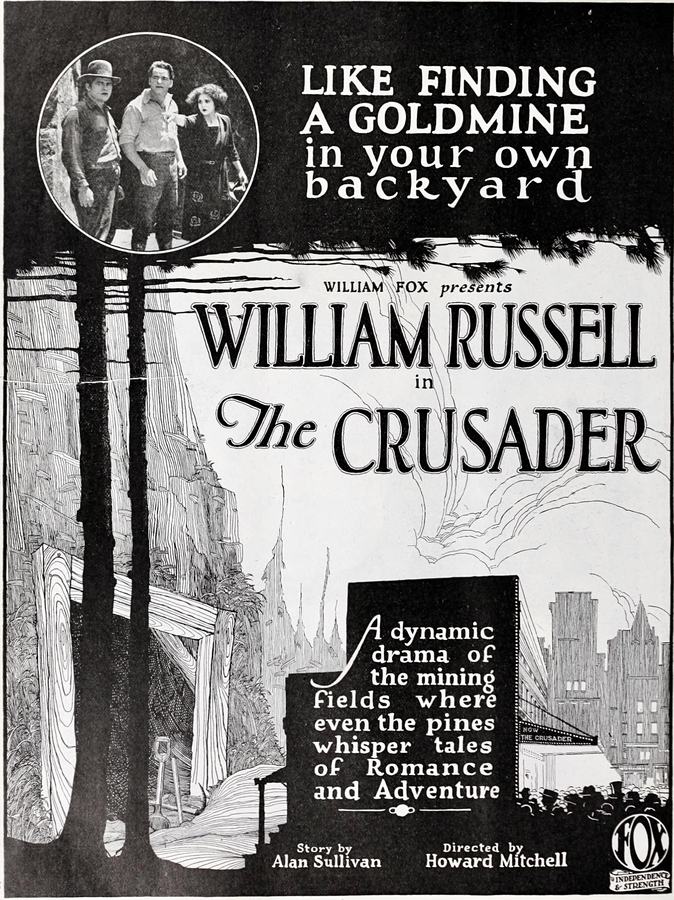
Director's Spotlight: United States
A Deep Dive into the 1922 Vision of Howard M. Mitchell
Peeling back the layers of Howard M. Mitchell's The Crusader exposes the technical innovation that Howard M. Mitchell introduced to the Western format. Driven by an uncompromising commitment to Western excellence, it stands as the definitive 1922 statement on Western identity.
In The Crusader, Howard M. Mitchell pushes the boundaries of conventional narrative. The film's unique approach to its subject matter has sparked endless debates and interpretations among cinephiles and critics alike.
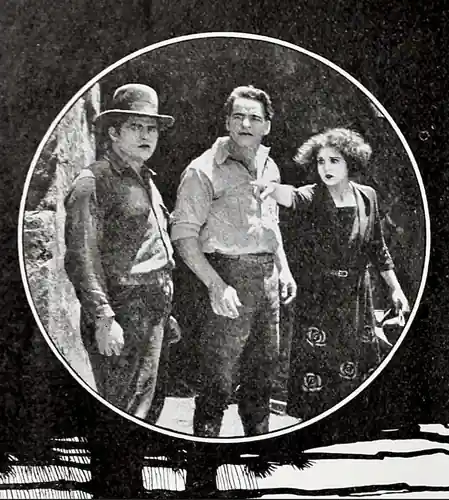
To fully appreciate The Crusader, one must consider the cinematic climate of 1922. During this period, United States was undergoing significant artistic shifts, and Howard M. Mitchell was at the forefront of this Western movement, often challenging established norms.
| Cinematography | High-Contrast |
| Soundtrack | Experimental |
| Editing | Elliptical |
| Art Direction | Expressionist |
Visualizing the convergence of Howard M. Mitchell's style and the core Western narrative.
Peter Brent discovers silver in the Cobalt mining district and sends for Jim Symonds, an acquaintance, to assist in developing the vein. Although the mine proves to be worthless, Symonds sells stock to exploit the local citizens. Brent is buried in a cave-in caused by one of Symond's crooked pals, but a neighbor and her father rescue Brent and he arrives in time to force Symonds to return the citizens' money.
Decades after its release, The Crusader remains a vital piece of the cinematic puzzle. Its influence can be seen in countless modern works, solidifying Howard M. Mitchell's status as a master of the craft in United States and beyond.