
DbcultAccessing Vault...
Director's Spotlight
Senior Film Conservator
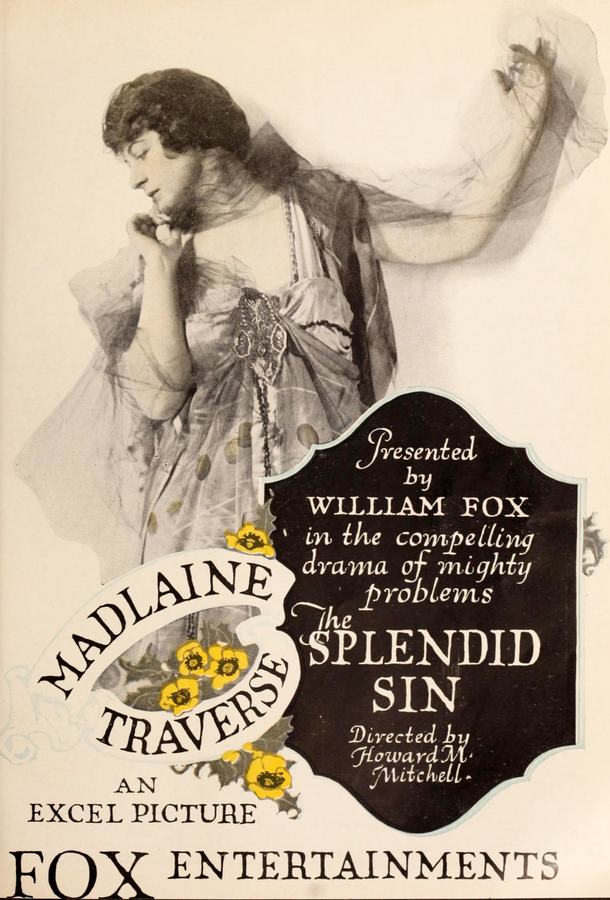
Director's Spotlight: United States
A Deep Dive into the 1919 Vision of Howard M. Mitchell
The artistic breakthrough represented by The Splendid Sin in 1919 highlights the uncompromising vision of Howard M. Mitchell that defines this cult masterpiece. In the context of United States's rich cinematic history, it captures a specific kind of cinematic magic that is rarely replicated.
In The Splendid Sin, Howard M. Mitchell pushes the boundaries of conventional narrative. The film's unique approach to its subject matter has sparked endless debates and interpretations among cinephiles and critics alike.
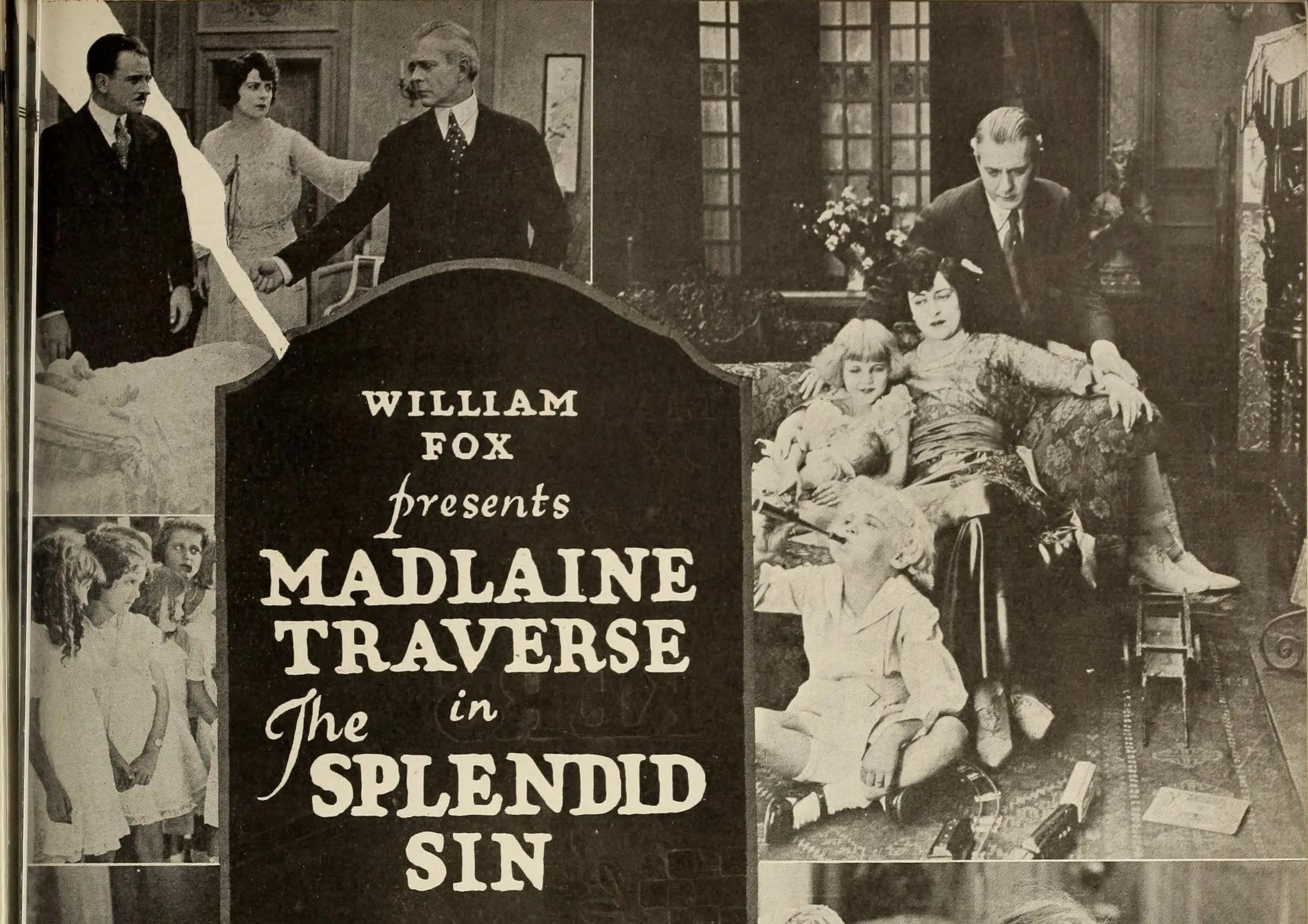
The visual language of The Splendid Sin is defined by its use of shadows and framing, a hallmark of Howard M. Mitchell's style. By utilizing a 1919-era palette, the film creates an immersive experience that perfectly complements its cult themes.
| Cinematography | High-Contrast |
| Soundtrack | Orchestral |
| Editing | Slow-Burn |
| Art Direction | Brutalist |
Visualizing the convergence of Howard M. Mitchell's style and the core cult narrative.
Although they have a happy marriage, explorer Sir Charles Chatham and his American wife Lady Marion have been unable to have children. After Charles goes to Egypt, his sister Gertrude and her sweetheart Stephen Hartley, an American consulate attaché, take refuge from a storm in a deserted tower. Frightened, Gertrude yields to Stephen's advances. Although he intends to marry Gertrude, Stephen is suddenly called to deliver supplies to starving women and children in Russia. Marion takes pregnant Gertrude away to have her child, and notifies Stephen, but because he is shot during Bolshevik rioting, he returns too late to marry Gertrude, who dies after giving birth. To honor Gertrude's dying request and provide Charles with a much-desired child, Marion telegraphs Charles that the baby is theirs. However, when he returns, his mother, who wants the estate for her son George, tells Charles that Hartley is the father. To stop Charles from shooting Hartley, Marion confesses the truth, whereupon Charles adopts the baby.
Decades after its release, The Splendid Sin remains a vital piece of the cinematic puzzle. Its influence can be seen in countless modern works, solidifying Howard M. Mitchell's status as a master of the craft in United States and beyond.