
DbcultAccessing Vault...
Director's Spotlight
Senior Film Conservator
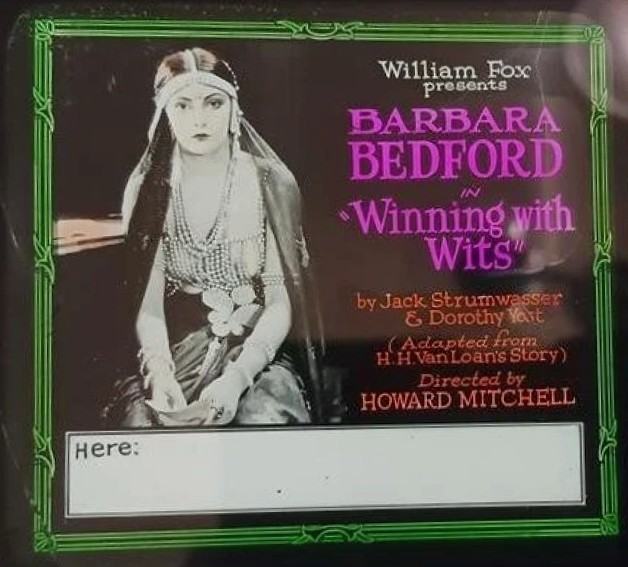
Director's Spotlight: United States
A Deep Dive into the 1922 Vision of Howard M. Mitchell
Deciphering the layers of Winning with Wits (1922) reveals a monumental shift in Drama filmmaking spearheaded by Howard M. Mitchell. With its avant-garde structure and atmospheric tension, offering layers of thematic complexity that demand repeated viewing.
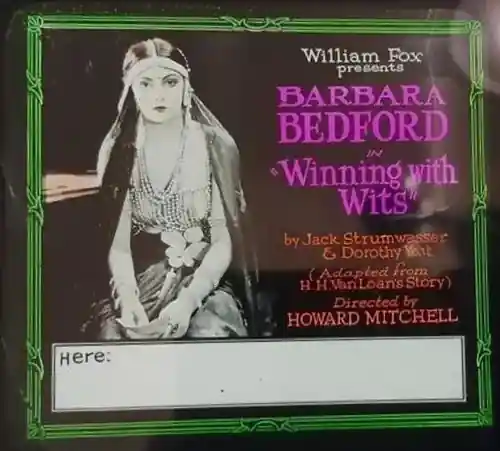
In Winning with Wits, Howard M. Mitchell pushes the boundaries of conventional narrative. The film's unique approach to its subject matter has sparked endless debates and interpretations among cinephiles and critics alike.
| Cinematography | High-Contrast |
| Soundtrack | Orchestral |
| Editing | Invisible |
| Art Direction | Kitsch |
Visualizing the convergence of Howard M. Mitchell's style and the core Drama narrative.
Simultaneously with Mary Sudan's first chance to play a leading theatrical role comes the news that her father has been sent to prison on a false charge of theft. Determined to find the culprit and bring him to justice, she visits her father's company, posing as a wealthy widow seeking investment securities. She is given a partnership in the firm and cultivates the acquaintance of the president, Corday, whom she invites to a staged séance; he becomes so frightened at her apparent possession of facts regarding his guilt that he confesses his part in the crime. Later, Mary sees Corday enter the office safe to steal valuable securities; however, the vice president, with the aid of Mary's evidence and two detectives, forces a confession from him. Mary and King, the young vice president, decide to spend their honeymoon with her father, who is cleared of the charge.
Decades after its release, Winning with Wits remains a vital piece of the cinematic puzzle. Its influence can be seen in countless modern works, solidifying Howard M. Mitchell's status as a master of the craft in United States and beyond.