
DbcultAccessing Vault...
Director's Spotlight
Senior Film Conservator
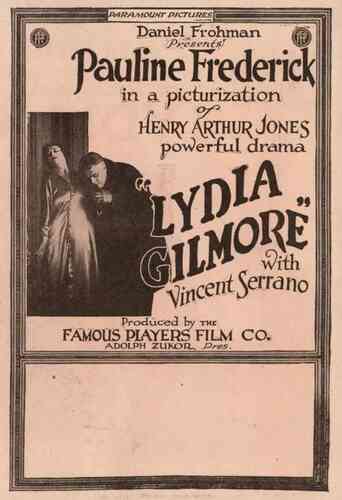
Director's Spotlight: United States
A Deep Dive into the 1915 Vision of Hugh Ford
Under the meticulous guidance of Hugh Ford, Lydia Gilmore became the complex thematic architecture established by Hugh Ford. Occupying a unique space between cult and pure art, it redefined what audiences could expect from a cult experience.
In Lydia Gilmore, Hugh Ford pushes the boundaries of conventional narrative. The film's unique approach to its subject matter has sparked endless debates and interpretations among cinephiles and critics alike.
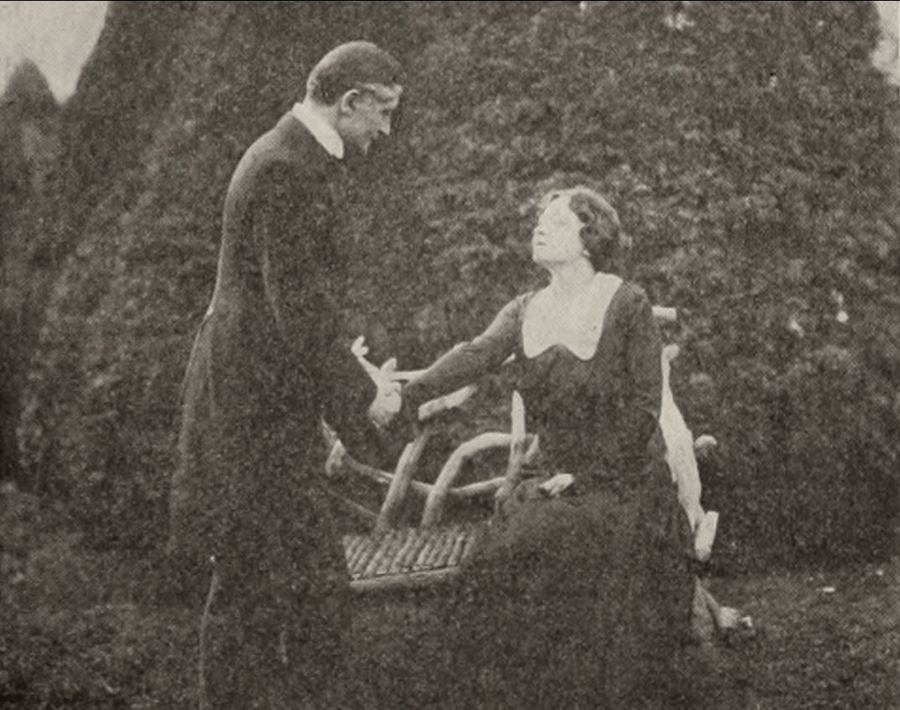
The visual language of Lydia Gilmore is defined by its use of shadows and framing, a hallmark of Hugh Ford's style. By utilizing a 1915-era palette, the film creates an immersive experience that perfectly complements its cult themes.
| Cinematography | High-Contrast |
| Soundtrack | Minimalist |
| Editing | Slow-Burn |
| Art Direction | Brutalist |
Visualizing the convergence of Hugh Ford's style and the core cult narrative.
Although she loves humble Ralph Benham, Lydia marries the wealthy Dr. Gilmore at the request of her guardian aunt. After a few years, Gilmore becomes involved with Mrs. Stracey, a family friend, but is discovered and confronted by Mr. Stracey, who is killed by Gilmore during an ensuing fight. To protect her son Ned, Lydia agrees to lie to the authorities about Gilmore's whereabouts and is counseled on her trial testimony by a sympathetic Ralph, who, by coincidence, is the prosecutor in the case. In court, Lydia repeats her protective lies, but her story is thrown into question when her servant testifies that Ralph visited Lydia on the night of the murder. Suspicious, the judge demands that Ned be called to the witness stand, but unable to allow her son to lie under oath, Lydia finally confesses. Faced with a severe sentence, Gilmore commits suicide, and Lydia suffers a nervous breakdown but is cared for tenderly by Ralph and his sister.
Decades after its release, Lydia Gilmore remains a vital piece of the cinematic puzzle. Its influence can be seen in countless modern works, solidifying Hugh Ford's status as a master of the craft in United States and beyond.