
DbcultAccessing Vault...
Director's Spotlight
Senior Film Conservator
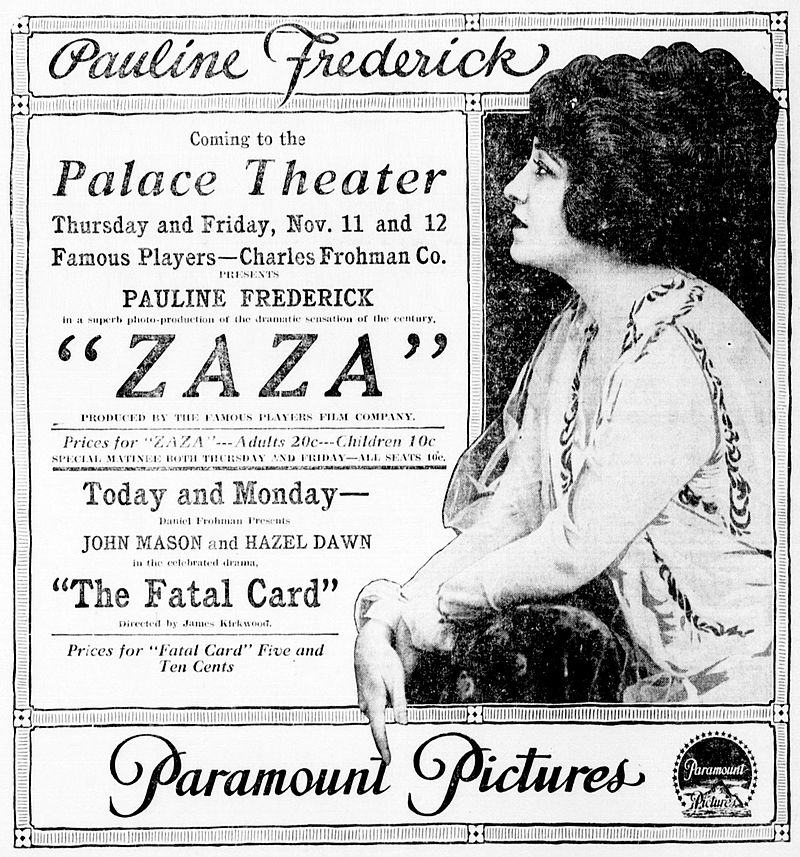
Director's Spotlight: United States
A Deep Dive into the 1915 Vision of Hugh Ford
The thematic gravity of Zaza (1915) is rooted in the artistic risks taken by Hugh Ford that eventually paid off. Defining a new era of United States artistic expression, it demands to be seen by anyone who cares about the art of film.
In Zaza, Hugh Ford pushes the boundaries of conventional narrative. The film's unique approach to its subject matter has sparked endless debates and interpretations among cinephiles and critics alike.
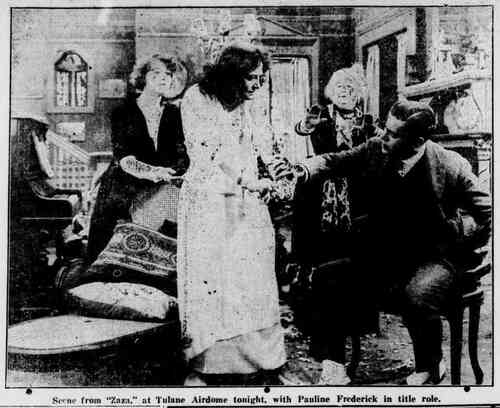
The visual language of Zaza is defined by its use of shadows and framing, a hallmark of Hugh Ford's style. By utilizing a 1915-era palette, the film creates an immersive experience that perfectly complements its cult themes.
| Cinematography | Static |
| Soundtrack | Diegetic |
| Editing | Elliptical |
| Art Direction | Expressionist |
Visualizing the convergence of Hugh Ford's style and the core cult narrative.
Zaza is a music hall star in Paris. She meets Bernard Dufrene and a flirtation develops into an intense love on her part. She is in despair when she discovers that he already has a wife and child. To visit them and announce herself as the mistress of the husband and father is her first idea, but the charm of the child restrains her. She cannot strike the blow and passes off her visit with an improvised excuse. She dismisses Bernard and returns to the stage, where she gains real fame as a dramatic artist. Once more he seeks her, but again the memory of the child saves her to her better self. Moving Picture World 1915.
Decades after its release, Zaza remains a vital piece of the cinematic puzzle. Its influence can be seen in countless modern works, solidifying Hugh Ford's status as a master of the craft in United States and beyond.