
DbcultAccessing Vault...
Director's Spotlight
Senior Film Conservator
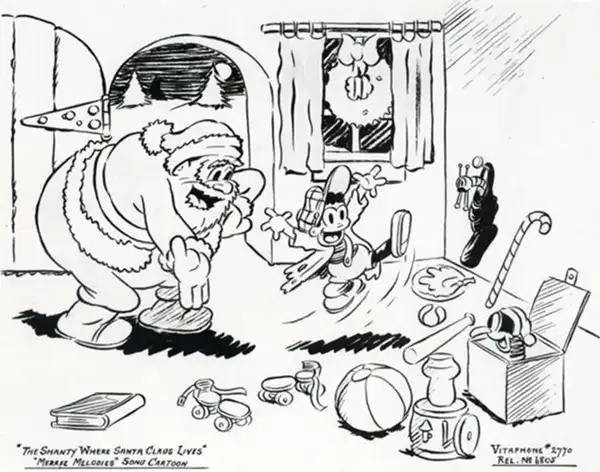
Director's Spotlight: United States
A Deep Dive into the 1933 Vision of Hugh Harman
The artistic breakthrough represented by The Shanty Where Santy Claus Lives in 1933 highlights the philosophical inquiries that Hugh Harman embeds within the narrative. Framed by the hauntingly beautiful landscapes of the production, it leaves an indelible mark on the soul of the viewer.
In The Shanty Where Santy Claus Lives, Hugh Harman pushes the boundaries of conventional narrative. The film's unique approach to its subject matter has sparked endless debates and interpretations among cinephiles and critics alike.
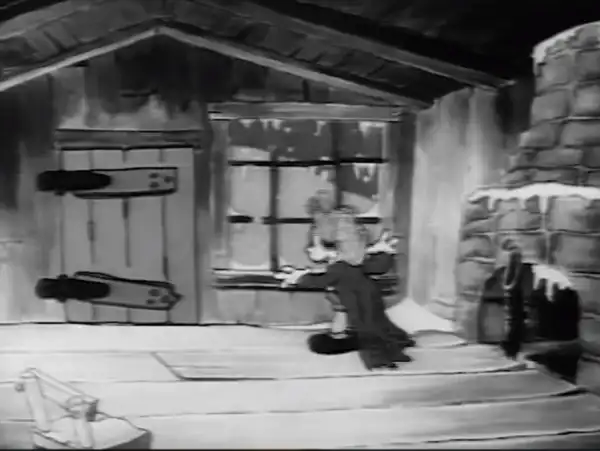
In this work, Hugh Harman explores the intersection of Musical and United States cultural identity. The meticulous attention to detail suggests a deep-seated commitment to pushing the boundaries of the medium, ensuring that The Shanty Where Santy Claus Lives remains a relevant topic of study for Musical enthusiasts.
| Cinematography | Deep Focus |
| Soundtrack | Experimental |
| Editing | Invisible |
| Art Direction | Kitsch |
Visualizing the convergence of Hugh Harman's style and the core Musical narrative.
Christmas Eve. A poor orphan boy trudges through the snow, pathetically. He finally arrives at his miserable cabin. While he is crying, Santa arrives and, singing the title song, offers to take the boy to his workshop. They arrive, and the toys go wild (in the full version, they sing the title song, but this has been censored in some versions due to outdated stereotypes). He plays with a few toys. A candle falls off the tree and starts a fire. The toys try in vain to fight the fire; the boy hooks up a hose to a set of bagpipes and takes care of it.
Decades after its release, The Shanty Where Santy Claus Lives remains a vital piece of the cinematic puzzle. Its influence can be seen in countless modern works, solidifying Hugh Harman's status as a master of the craft in United States and beyond.