
DbcultAccessing Vault...
Director's Spotlight
Senior Film Conservator
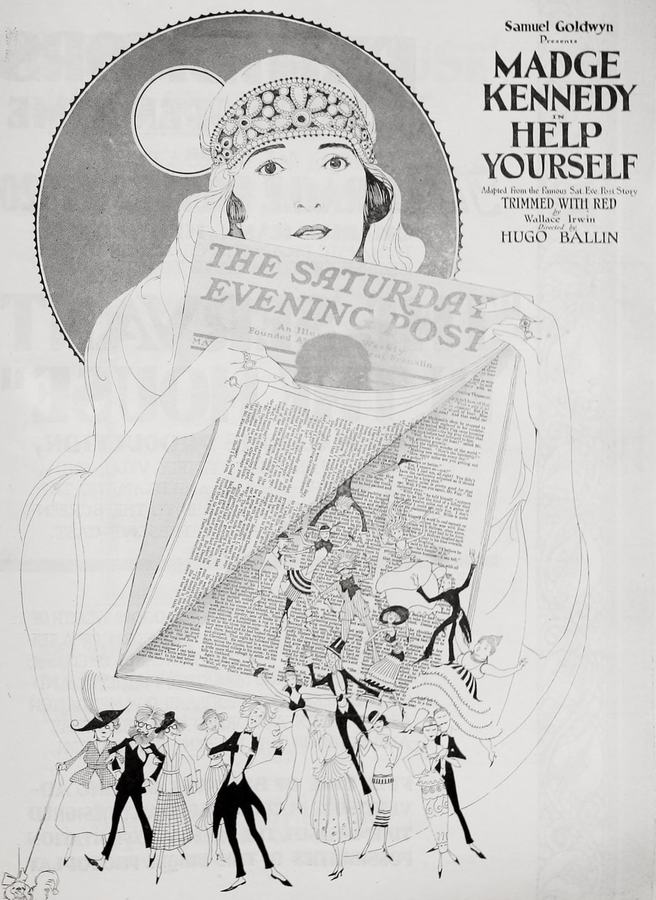
Director's Spotlight: United States
A Deep Dive into the 1920 Vision of Hugo Ballin
To understand the modern evolution of United States film, one must first look at Help Yourself and the meticulous attention to detail that Hugo Ballin applied to every frame. Reflecting the political and social shifts of the 1920s, it showcases the power of Comedy as a tool for social commentary.
In Help Yourself, Hugo Ballin pushes the boundaries of conventional narrative. The film's unique approach to its subject matter has sparked endless debates and interpretations among cinephiles and critics alike.
The visual language of Help Yourself is defined by its use of shadows and framing, a hallmark of Hugo Ballin's style. By utilizing a 1920-era palette, the film creates an immersive experience that perfectly complements its Comedy themes.
| Cinematography | Deep Focus |
| Soundtrack | Minimalist |
| Editing | Slow-Burn |
| Art Direction | Brutalist |
Visualizing the convergence of Hugo Ballin's style and the core Comedy narrative.
Emily Ray, who works in a department store, is taken in by her wealthy Aunt Carmen. Emily falls in love with Oliver Browning, but her aunt dismisses him as a nobody and a fortune hunter. Emily's wealthy married cousin, Rosamonde Vallant, always trying to keep up with the latest fads, gives a party in honor of Professor Syle, a distinguished radical who lectures her guests in "parlor Bolshevism," then takes them to Greenwich Village to meet his comrades. Emily attends the gathering, as does Aunt Carmen, who later invites the Bohemians to her home. There, overindulging in vodka, they become wild and disorderly. Oliver arrives just in time, and, with the servants' help, gets the guests under control. Eventually Emily marries Oliver, and society girl Vera Ballymore marries Professor Syle, launching him into a successful career as a lecturer in polite circles.
Decades after its release, Help Yourself remains a vital piece of the cinematic puzzle. Its influence can be seen in countless modern works, solidifying Hugo Ballin's status as a master of the craft in United States and beyond.