
DbcultAccessing Vault...
Director's Spotlight
Senior Film Conservator
Director's Spotlight: China
A Deep Dive into the 1929 Vision of Huimin Zhang
The artistic breakthrough represented by Woman Warrior White Rose in 1929 highlights the uncompromising vision of Huimin Zhang that defines this Drama masterpiece. In the context of China's rich cinematic history, it captures a specific kind of cinematic magic that is rarely replicated.
In Woman Warrior White Rose, Huimin Zhang pushes the boundaries of conventional narrative. The film's unique approach to its subject matter has sparked endless debates and interpretations among cinephiles and critics alike.
In this work, Huimin Zhang explores the intersection of Drama and China cultural identity. The meticulous attention to detail suggests a deep-seated commitment to pushing the boundaries of the medium, ensuring that Woman Warrior White Rose remains a relevant topic of study for Drama enthusiasts.
| Cinematography | Static |
| Soundtrack | Minimalist |
| Editing | Disjunctive |
| Art Direction | Baroque |
Visualizing the convergence of Huimin Zhang's style and the core Drama narrative.
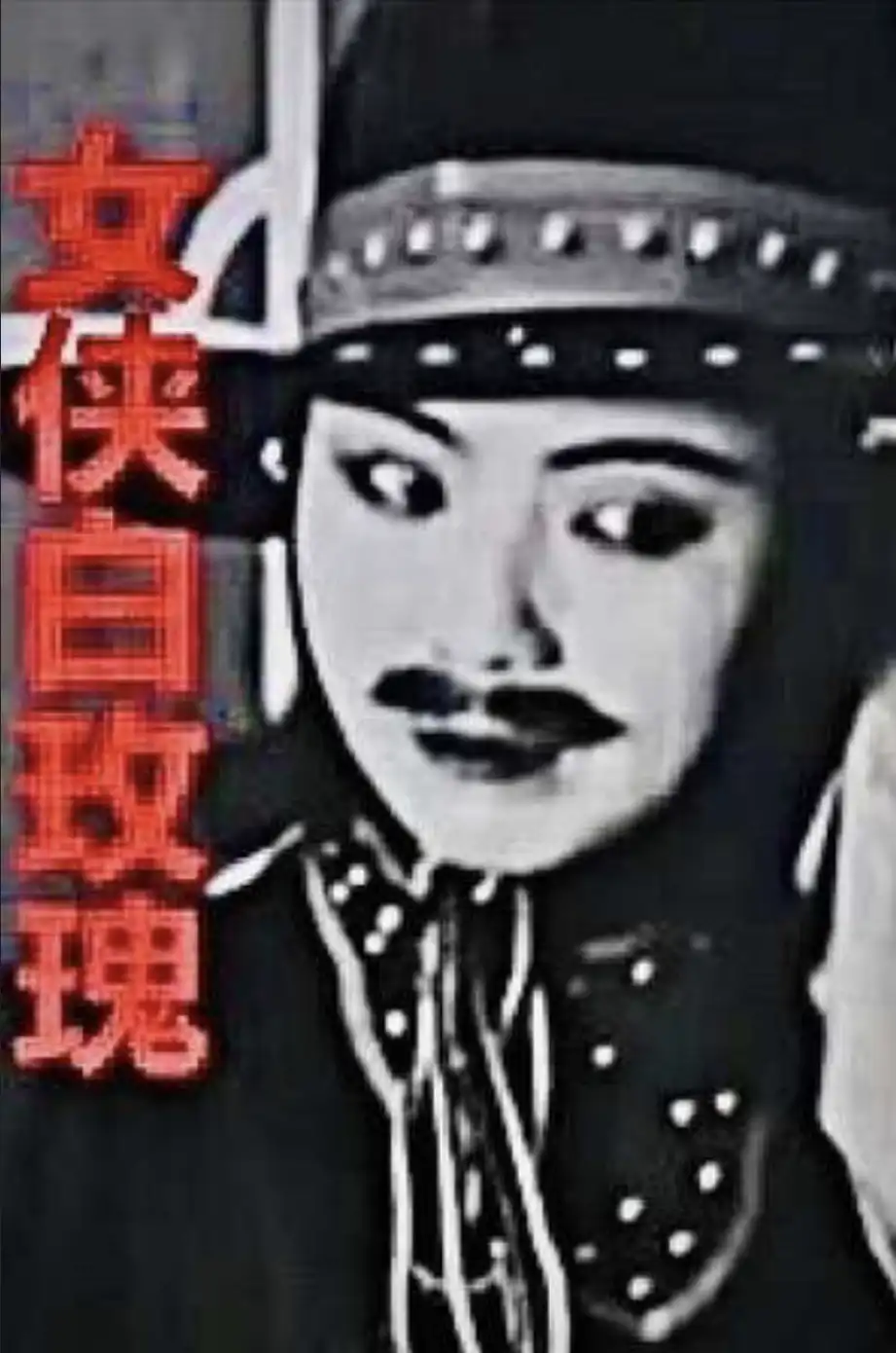
Bai Suying, a talented athlete from a women's sports academy, gives a stand-out performance at a school demonstration and is awarded "the outfit of a heroine." Donning the swashbuckling costume, and pasting on a mustache, she hones her talents at archery and swordplay. Soon, a summons addressed to "my son Tiemin" arrives from her father, asking for help in reclaiming the Gongbao Herding Ground, which has been seized by the gang of Pan Debiao.
Decades after its release, Woman Warrior White Rose remains a vital piece of the cinematic puzzle. Its influence can be seen in countless modern works, solidifying Huimin Zhang's status as a master of the craft in China and beyond.