
DbcultAccessing Vault...
Director's Spotlight
Senior Film Conservator
Director's Spotlight: Japan
A Deep Dive into the 1933 Vision of Ikuo Oishi
As we revisit the 1933 masterpiece Ugokie kori no tatehiki, we are struck by the meticulous attention to detail that Ikuo Oishi applied to every frame. Anchored by a narrative that is both personal and universal, it bridges the gap between traditional Short and contemporary vision.
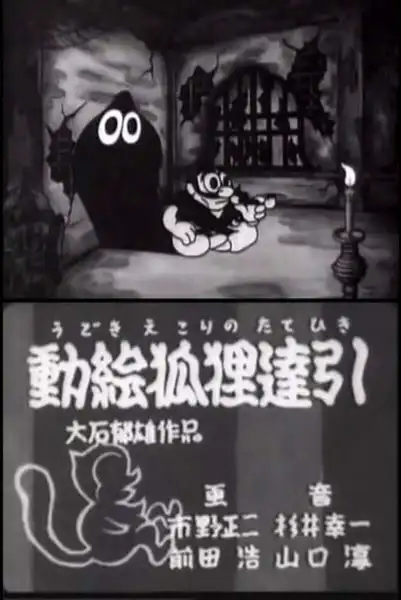
In Ugokie kori no tatehiki, Ikuo Oishi pushes the boundaries of conventional narrative. The film's unique approach to its subject matter has sparked endless debates and interpretations among cinephiles and critics alike.
| Cinematography | Static |
| Soundtrack | Synth-Heavy |
| Editing | Rhythmic |
| Art Direction | Naturalist |
Visualizing the convergence of Ikuo Oishi's style and the core Short narrative.
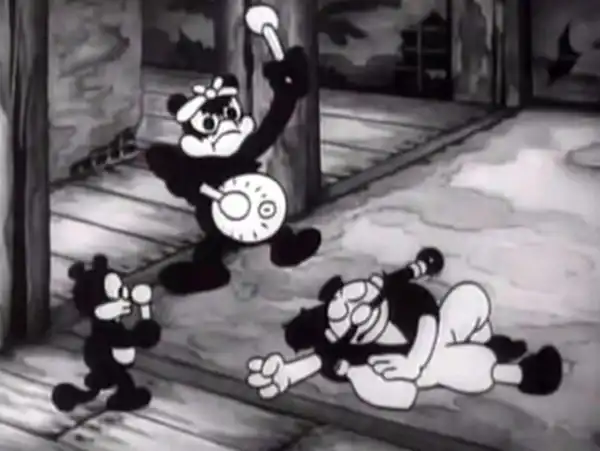
A farmer walking in the woods is frightened away by a shapeshifting fox, who then disguises himself as a samurai and makes his way to a temple, haunted by a young shapeshifting tanuki whose various attempts to frighten the fox/samurai away fail. The young tanuki telephones his father, and they join forces against the samurai.
Decades after its release, Ugokie kori no tatehiki remains a vital piece of the cinematic puzzle. Its influence can be seen in countless modern works, solidifying Ikuo Oishi's status as a master of the craft in Japan and beyond.