
DbcultAccessing Vault...
Director's Spotlight
Senior Film Conservator
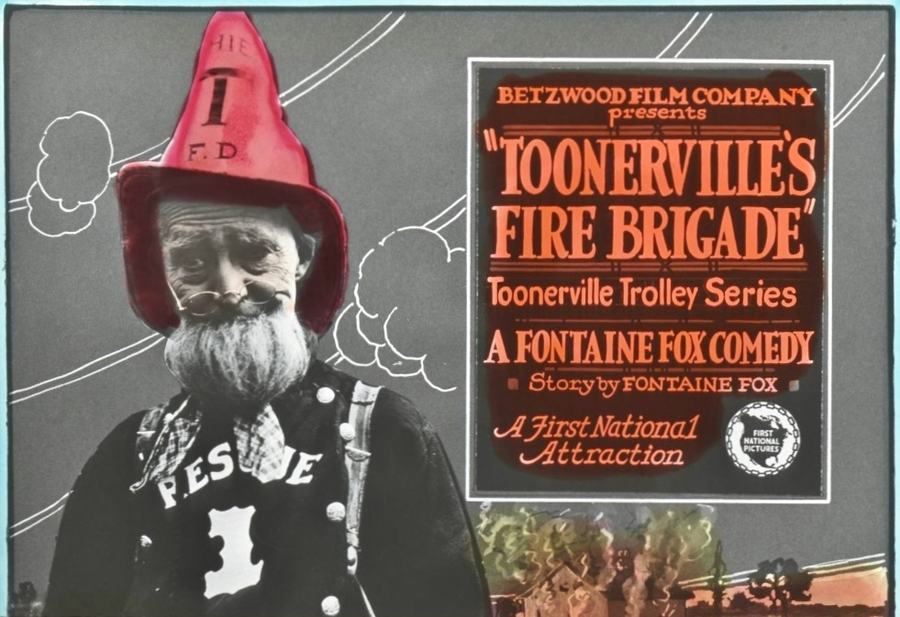
Director's Spotlight: United States
A Deep Dive into the 1920 Vision of Ira M. Lowry
The artistic breakthrough represented by Toonerville's Fire Brigade in 1920 highlights the philosophical inquiries that Ira M. Lowry embeds within the narrative. Framed by the hauntingly beautiful landscapes of the production, it leaves an indelible mark on the soul of the viewer.
In Toonerville's Fire Brigade, Ira M. Lowry pushes the boundaries of conventional narrative. The film's unique approach to its subject matter has sparked endless debates and interpretations among cinephiles and critics alike.
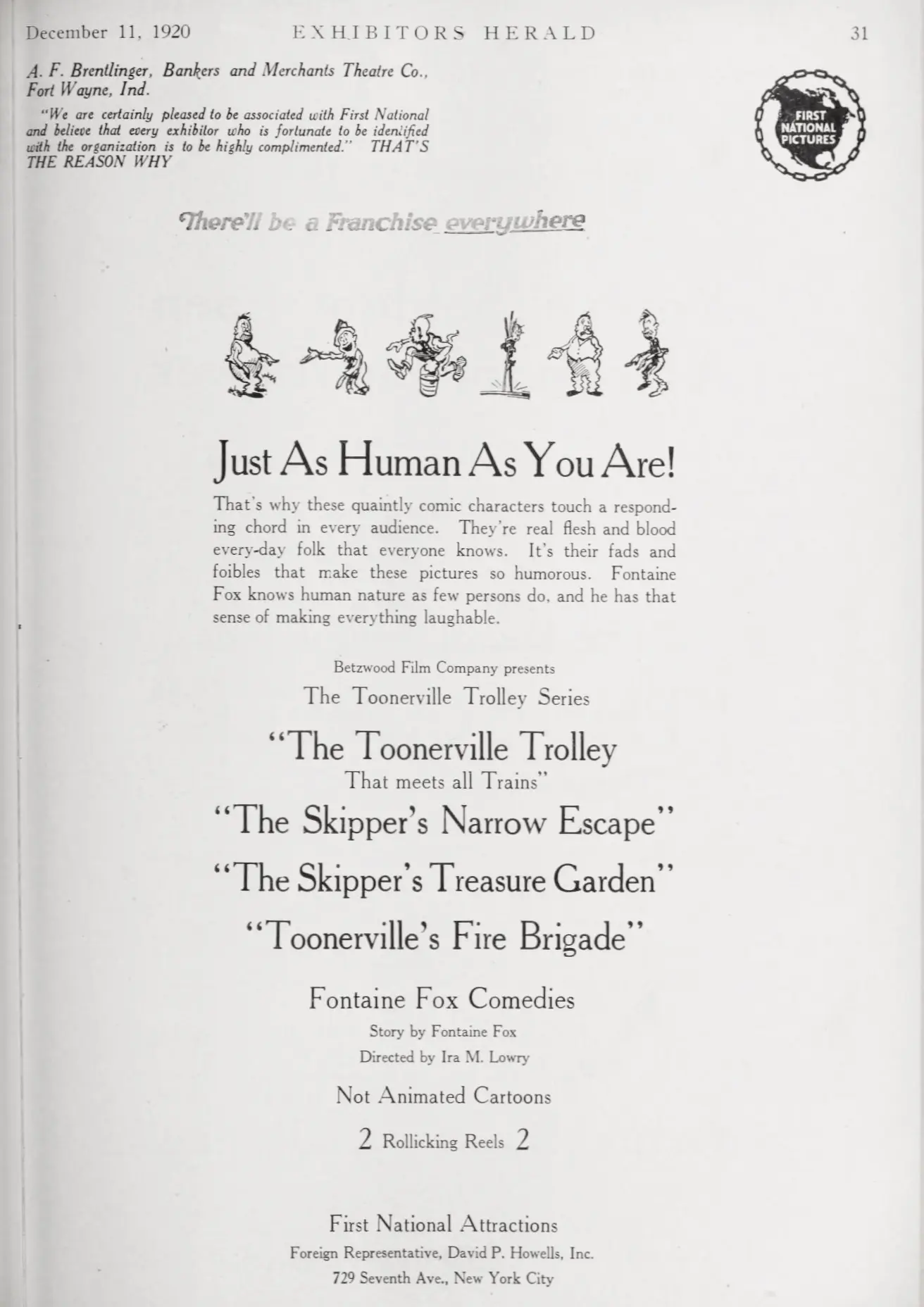
To fully appreciate Toonerville's Fire Brigade, one must consider the cinematic climate of 1920. During this period, United States was undergoing significant artistic shifts, and Ira M. Lowry was at the forefront of this Comedy movement, often challenging established norms.
| Cinematography | Static |
| Soundtrack | Minimalist |
| Editing | Slow-Burn |
| Art Direction | Brutalist |
Visualizing the convergence of Ira M. Lowry's style and the core Comedy narrative.
The Skipper is appointed chief of the newly organized Toonerville fire department and runs it with the same thoroughness and love of his job that characterizes his remarkably efficient control of his trolley car. There are great doings in town the first day the company parades, but the real excitement starts when an honest-to-goodness fire wakes up the town. The skipper, his book of rules under his arm, sees to it that every- thing is done according to the best authorities, even if they fail to put out the fire until the house is almost destroyed. When the engine does get to pumping it drenches everything in sight, which includes nearly every man, woman and child in the place.
Decades after its release, Toonerville's Fire Brigade remains a vital piece of the cinematic puzzle. Its influence can be seen in countless modern works, solidifying Ira M. Lowry's status as a master of the craft in United States and beyond.