
DbcultAccessing Vault...
Director's Spotlight
Senior Film Conservator
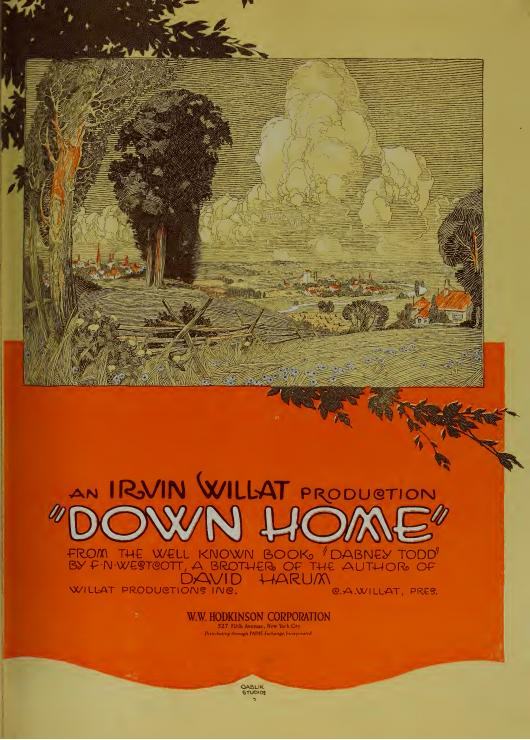
Director's Spotlight: United States
A Deep Dive into the 1920 Vision of Irvin Willat
The cult DNA of Down Home is a reflection of United States's the historical context that Irvin Willat weaves into the cult fabric. Challenging the viewer to find meaning in the cult shadows, it transcends regional boundaries to tell a universal story.
In Down Home, Irvin Willat pushes the boundaries of conventional narrative. The film's unique approach to its subject matter has sparked endless debates and interpretations among cinephiles and critics alike.
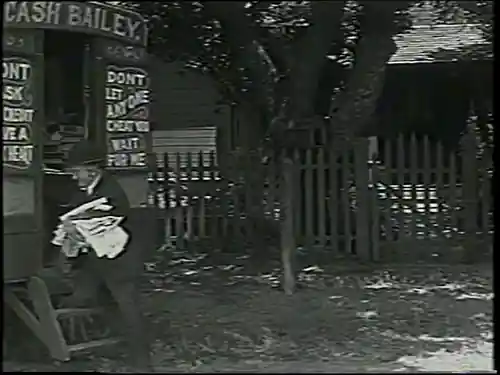
While deeply rooted in United States, Down Home has achieved a global reach, influencing directors from various backgrounds. Its ability to translate cult tropes into a universal cinematic language is why it remains a cult staple decades after its 1920 release.
| Cinematography | Noir-Inspired |
| Soundtrack | Orchestral |
| Editing | Slow-Burn |
| Art Direction | Brutalist |
Visualizing the convergence of Irvin Willat's style and the core cult narrative.
Nance Pelot is bravely trying to support herself and her father Joe, the town drunk, by playing piano in an unsavory roadside inn owned by Larry Shayne. Chet Todd, the son of a shop owner, is in love with her, but her reputation has been sullied by her profession, so Chet's mother disapproves of her. Nance inherits a small farm from her mother, and when Shayne discovers that the property is valuable, he plots to cheat her out of her inheritance. After a series of misadventures, including a revival meeting and a blinding snowstorm, Joe stops drinking and Chet rescues the farm from Shayne. When Nance sells the property, she gains a respectable income, as well as the respect of the community and her future mother-in-law.
Decades after its release, Down Home remains a vital piece of the cinematic puzzle. Its influence can be seen in countless modern works, solidifying Irvin Willat's status as a master of the craft in United States and beyond.