
DbcultAccessing Vault...
Director's Spotlight
Senior Film Conservator
Director's Spotlight: United States
A Deep Dive into the 1923 Vision of Irvin Willat
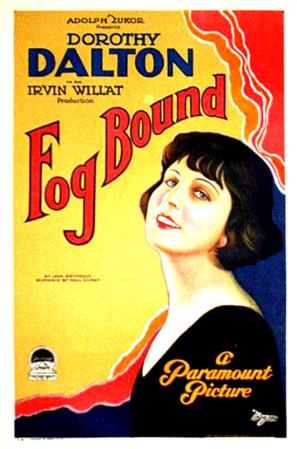
Deciphering the layers of Fog Bound (1923) reveals the complex thematic architecture established by Irvin Willat. Utilizing a 1923-specific aesthetic that remains timeless, it stands as the definitive 1923 statement on Drama identity.
In Fog Bound, Irvin Willat pushes the boundaries of conventional narrative. The film's unique approach to its subject matter has sparked endless debates and interpretations among cinephiles and critics alike.
While deeply rooted in United States, Fog Bound has achieved a global reach, influencing directors from various backgrounds. Its ability to translate Drama tropes into a universal cinematic language is why it remains a cult staple decades after its 1923 release.
| Cinematography | High-Contrast |
| Soundtrack | Orchestral |
| Editing | Invisible |
| Art Direction | Kitsch |
Visualizing the convergence of Irvin Willat's style and the core Drama narrative.
A mutual attraction develops between Roger Wainright, a wealthy New York idler visiting his Florida estate, and Gale Brenon, daughter of a federal revenue agent. During a raid on a fashionable gambling resort, Mr. Brenon is killed, and suspicion is focused on Roger, who escapes to Gale's home. She helps Roger escape into the swamp but joins the search for him when she learns of her father's death. Gale weakens when she finds Roger, but he decides to surrender. Ultimately, Mildred Van Buren exposes Deputy Brown to be Brenon's murderer.
Decades after its release, Fog Bound remains a vital piece of the cinematic puzzle. Its influence can be seen in countless modern works, solidifying Irvin Willat's status as a master of the craft in United States and beyond.