
DbcultAccessing Vault...
Director's Spotlight
Senior Film Conservator
Director's Spotlight: United States
A Deep Dive into the 1918 Vision of Irvin Willat
Deciphering the layers of The Guilty Man (1918) reveals the complex thematic architecture established by Irvin Willat. Utilizing a 1918-specific aesthetic that remains timeless, it stands as the definitive 1918 statement on cult identity.
In The Guilty Man, Irvin Willat pushes the boundaries of conventional narrative. The film's unique approach to its subject matter has sparked endless debates and interpretations among cinephiles and critics alike.
To fully appreciate The Guilty Man, one must consider the cinematic climate of 1918. During this period, United States was undergoing significant artistic shifts, and Irvin Willat was at the forefront of this cult movement, often challenging established norms.
| Cinematography | Noir-Inspired |
| Soundtrack | Orchestral |
| Editing | Slow-Burn |
| Art Direction | Brutalist |
Visualizing the convergence of Irvin Willat's style and the core cult narrative.
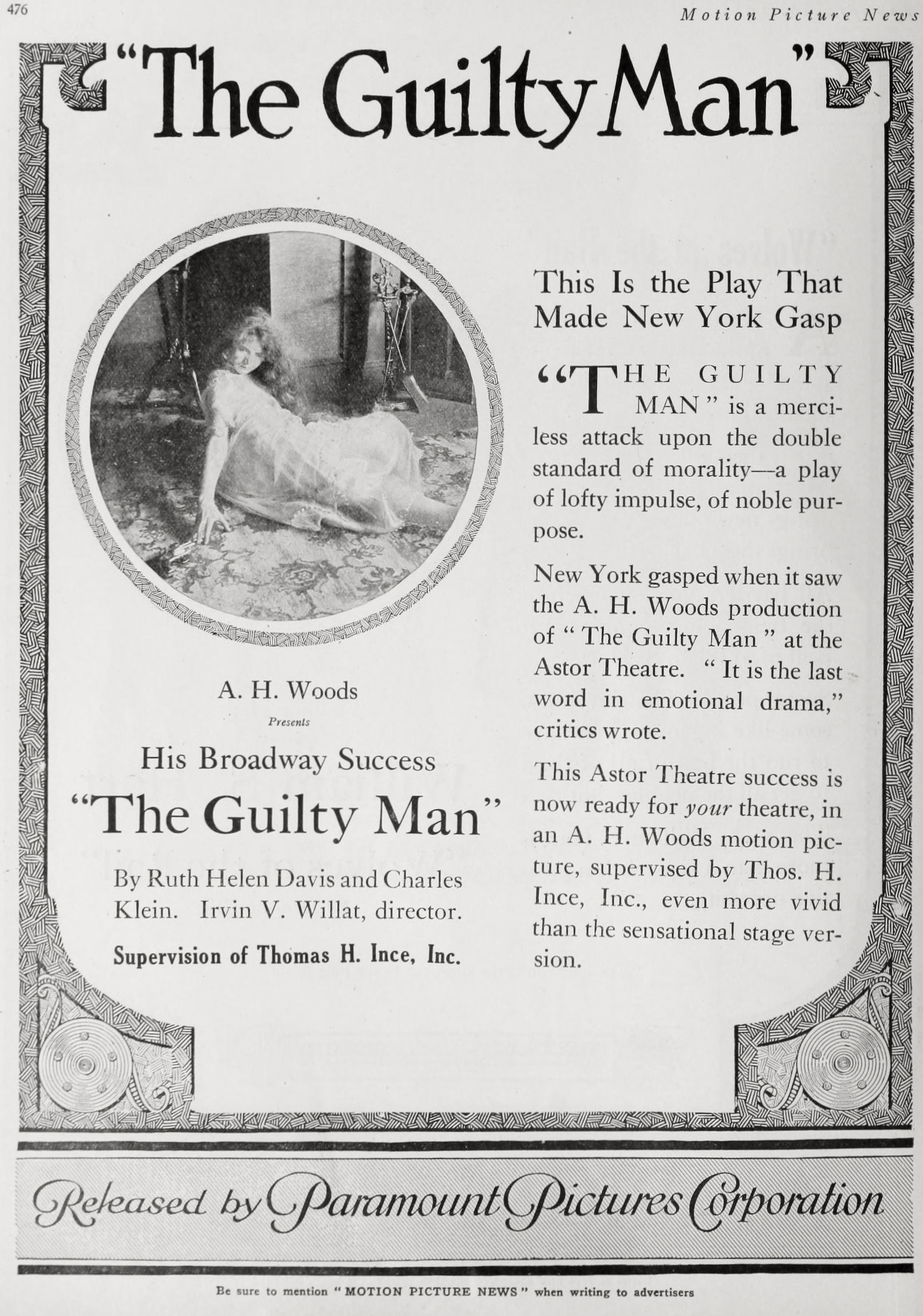
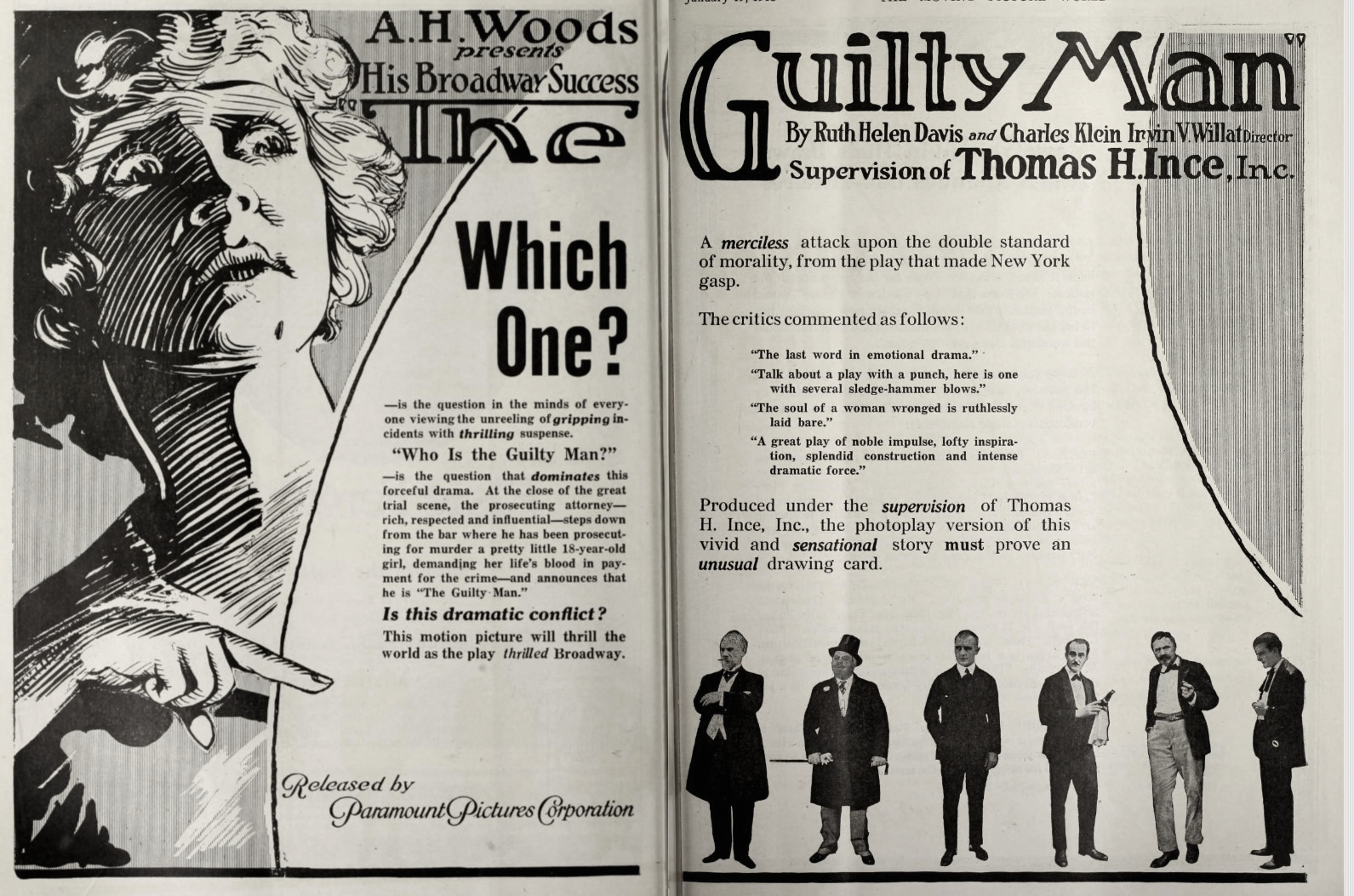
Marie Dubois, deeply in love with young lawyer Claude Lescuyer, entrusts her honor to him, but shortly before the birth of their child, he abandons her. In order to legitimize her daughter Claudine, Marie weds Flambon, the brutal owner of a Paris café. Eighteen years later, Flambon orders Claudine to work in the café, where she falls in love with Gaston, a waiter. Because Flambon owes a large sum of money to Jean, the café's former proprietor, he promises him the hand of his daughter in marriage. Claudine refuses to part with Gaston, which so enrages Flambon that he beats the girl and nearly kills Marie. To save her mother's life, Claudine shoots her stepfather and is subsequently tried for murder. The prosecutor, Claude Lescuyer, learns to his shame that the defendant is his own child, and in the courtroom, he names himself as the guilty man. The jury exonerates Claudine, and she is united with Gaston.
Decades after its release, The Guilty Man remains a vital piece of the cinematic puzzle. Its influence can be seen in countless modern works, solidifying Irvin Willat's status as a master of the craft in United States and beyond.