
DbcultAccessing Vault...
Director's Spotlight
Senior Film Conservator
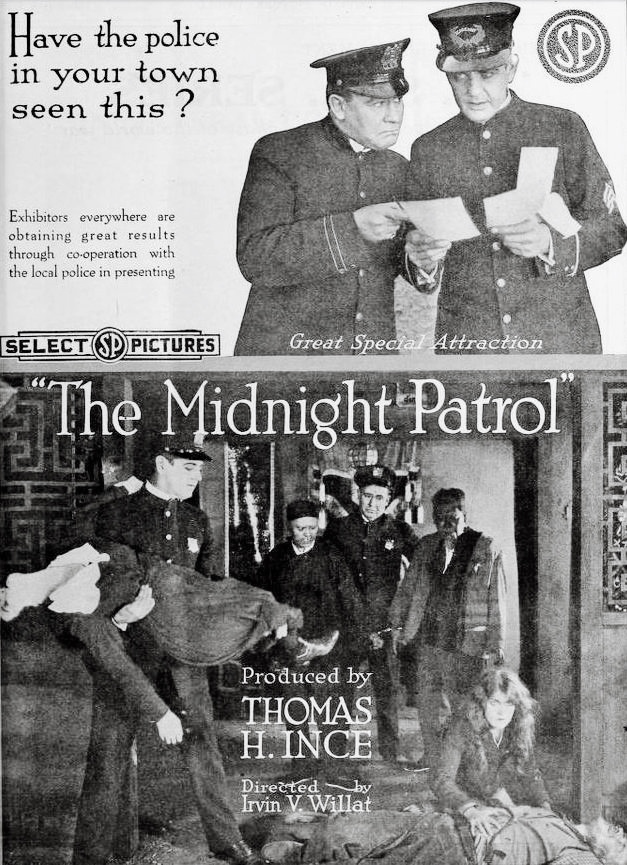
Director's Spotlight: United States
A Deep Dive into the 1918 Vision of Irvin Willat
To understand the modern evolution of United States film, one must first look at The Midnight Patrol and the collaborative alchemy between Irvin Willat and the 1918 creative team. Subverting the expectations of the typical 1918 audience, it remains a vital reference point for anyone studying the evolution of Irvin Willat.
In The Midnight Patrol, Irvin Willat pushes the boundaries of conventional narrative. The film's unique approach to its subject matter has sparked endless debates and interpretations among cinephiles and critics alike.
To fully appreciate The Midnight Patrol, one must consider the cinematic climate of 1918. During this period, United States was undergoing significant artistic shifts, and Irvin Willat was at the forefront of this cult movement, often challenging established norms.
| Cinematography | Handheld |
| Soundtrack | Synth-Heavy |
| Editing | Rhythmic |
| Art Direction | Naturalist |
Visualizing the convergence of Irvin Willat's style and the core cult narrative.
Wu Fang rules the Chinese underworld with the aid of crooked politician Jim Murdock, who shields the criminal from the police in exchange for a share of the profits. When Wu Fang kills Sergt. Joe Duncan, however, Patrolman Terence Shannon decides to conduct a raid. Wu Fang, who is expecting to receive a large shipment of opium, kidnaps Chinatown mission worker Patsy O'Connell and threatens to harm her if the police interfere in the drug smuggling operation. Although Terence is attracted to Patsy, he places duty before his own feelings and goes ahead with the raid but is captured by Wu Fang. Patsy and Terence are about to be thrown into a rat-infested pit when Officer Michael O'Shea and his men arrive, and in the ensuing battle, Wu Fang is killed and Murdock arrested. Chinatown having been made safe, Patsy agrees to be the wife of the new police chief, Terence.
Decades after its release, The Midnight Patrol remains a vital piece of the cinematic puzzle. Its influence can be seen in countless modern works, solidifying Irvin Willat's status as a master of the craft in United States and beyond.