
DbcultAccessing Vault...
Director's Spotlight
Senior Film Conservator
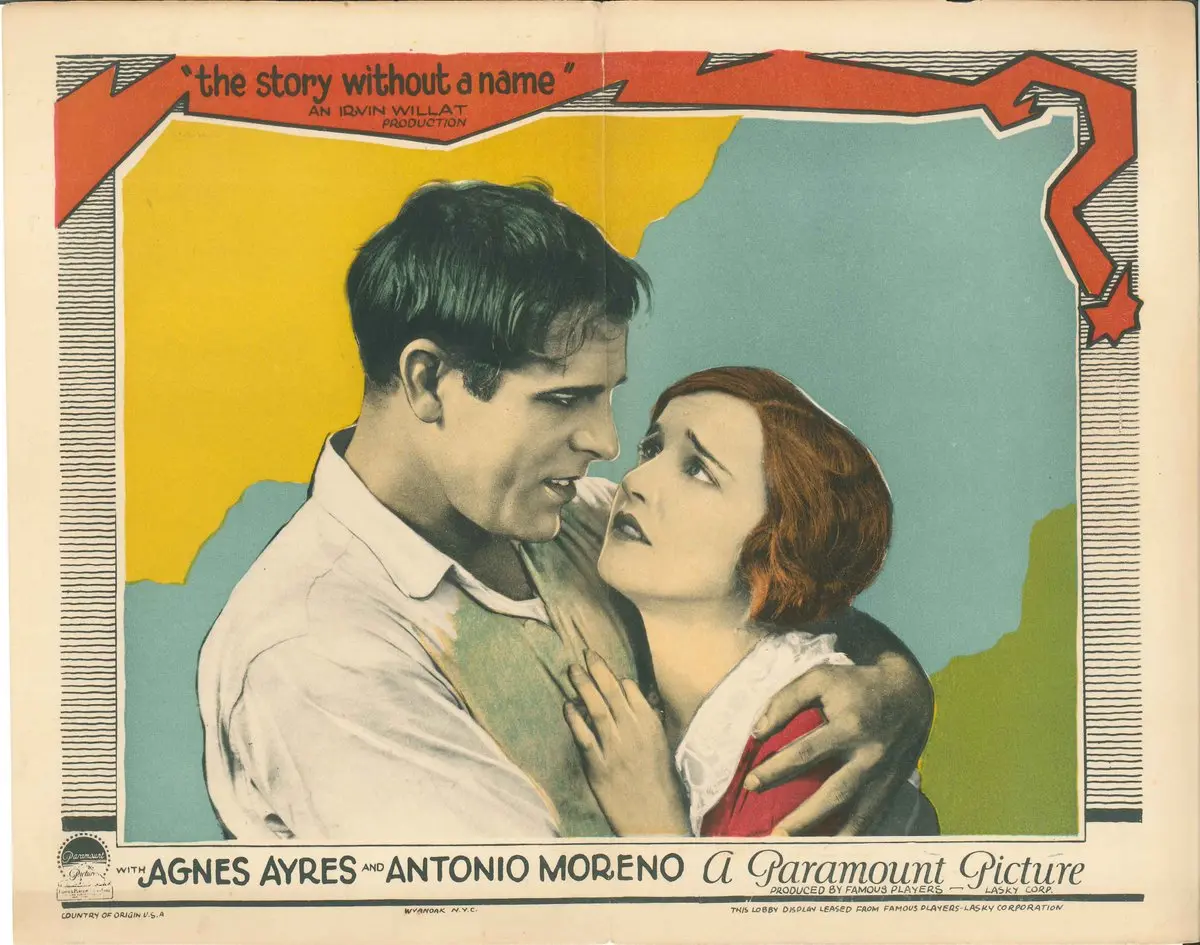
Director's Spotlight: United States
A Deep Dive into the 1924 Vision of Irvin Willat
Analyzing The Story Without a Name (1924) requires a deep dive into the unique directorial voice that Irvin Willat brought to the screen. By challenging the status quo of 1924 cinema, it continues to spark endless debates among critics and cinephiles alike.
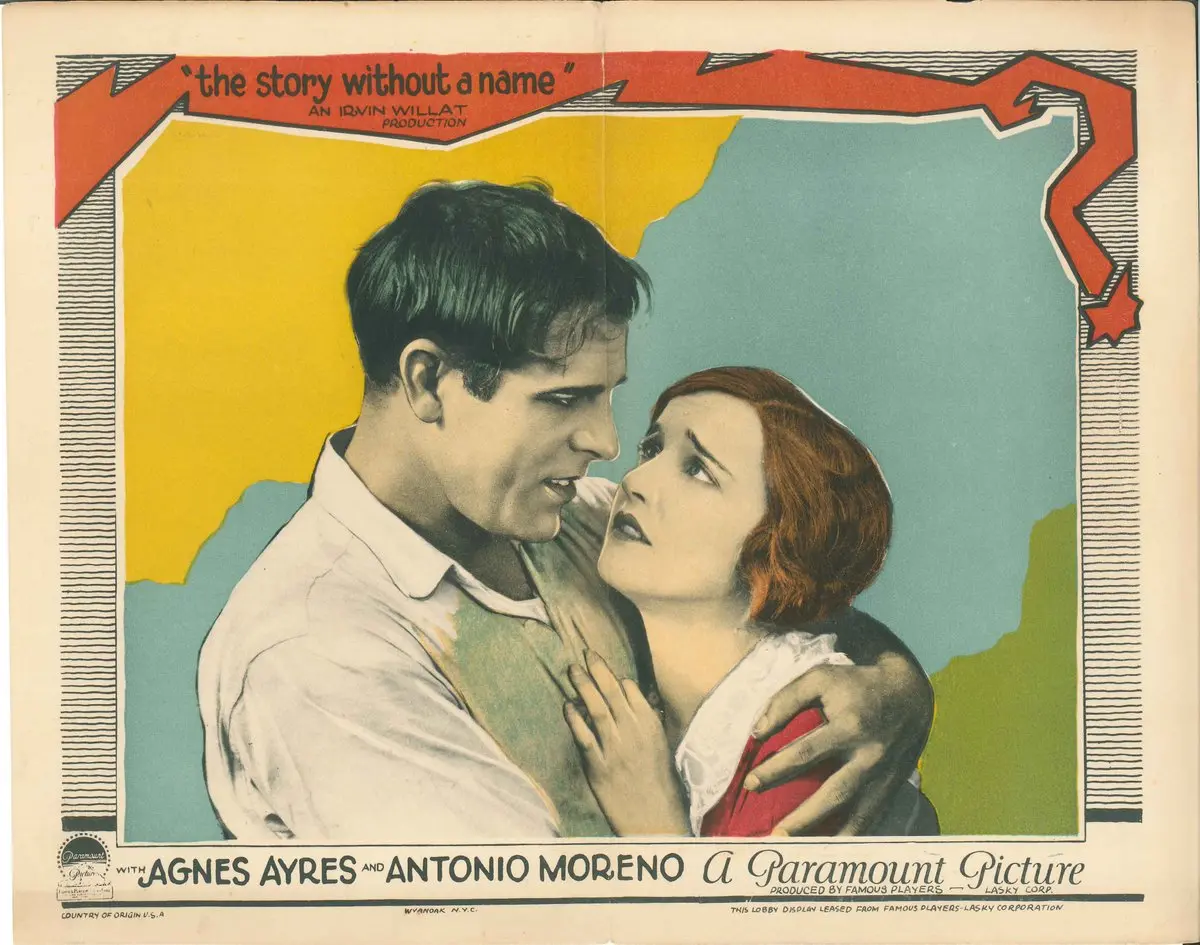
In The Story Without a Name, Irvin Willat pushes the boundaries of conventional narrative. The film's unique approach to its subject matter has sparked endless debates and interpretations among cinephiles and critics alike.
| Cinematography | High-Contrast |
| Soundtrack | Synth-Heavy |
| Editing | Disjunctive |
| Art Direction | Baroque |
Visualizing the convergence of Irvin Willat's style and the core Drama narrative.
Drakma, an international spy, seeks the possession of the triangulator (a device emitting electronic death rays), which radio expert Alan Holt invented for the United States Government. Mary Walsworth manages to smash the machine before Drakma can get it; therefore, the villain captures Alan and Mary, puts Mary on a rum-runner, and leaves Alan on an island to build another triangulator--under threat of Mary's death. Instead, Alan builds a radio and broadcasts an SOS, which is answered by Admiral Walsworth, Mary's father. Alan gets to the rum-runner on a raft, and holds off the crew until sailors arrive to the rescue.
Decades after its release, The Story Without a Name remains a vital piece of the cinematic puzzle. Its influence can be seen in countless modern works, solidifying Irvin Willat's status as a master of the craft in United States and beyond.