
DbcultAccessing Vault...
Director's Spotlight
Senior Film Conservator
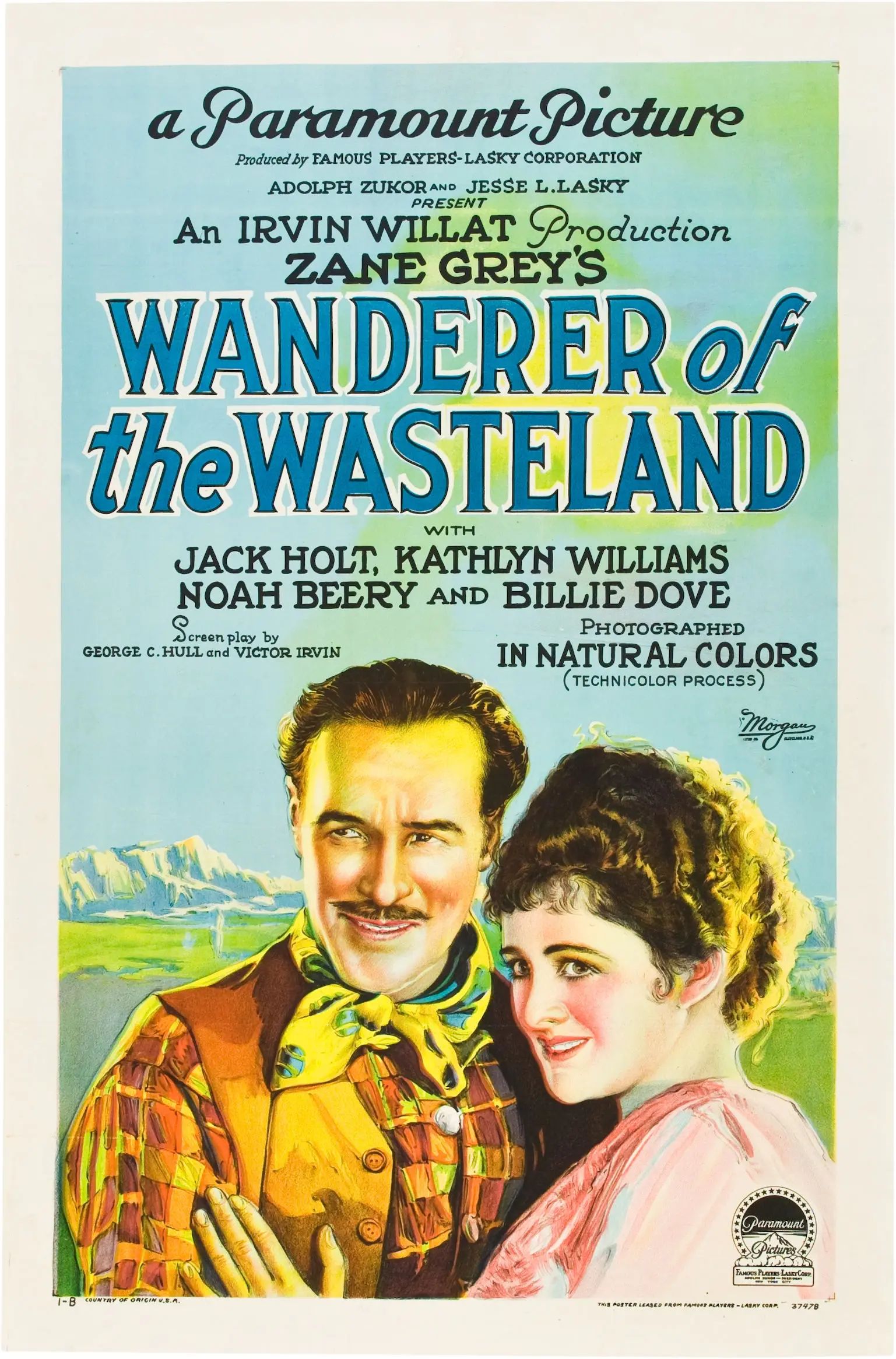
Director's Spotlight: United States
A Deep Dive into the 1924 Vision of Irvin Willat
The enduring fascination with Wanderer of the Wasteland is a testament to the defining moment in Western history that Irvin Willat helped create. This film stands as a masterclass in visual storytelling, it has cemented its place in the global cult cinema archive.
In Wanderer of the Wasteland, Irvin Willat pushes the boundaries of conventional narrative. The film's unique approach to its subject matter has sparked endless debates and interpretations among cinephiles and critics alike.
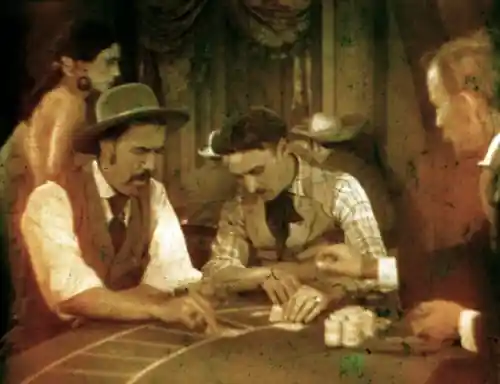
While deeply rooted in United States, Wanderer of the Wasteland has achieved a global reach, influencing directors from various backgrounds. Its ability to translate Western tropes into a universal cinematic language is why it remains a cult staple decades after its 1924 release.
| Cinematography | Handheld |
| Soundtrack | Experimental |
| Editing | Invisible |
| Art Direction | Kitsch |
Visualizing the convergence of Irvin Willat's style and the core Western narrative.
When Adam Larey, a young mining engineer, shoots his brother Guerd in a quarrel and wounds the sheriff in escaping from town, he seeks refuge in the desert and is saved by Dismukes, an old prospector. After severe hardships, he stumbles on the home of the Vireys, the parents of his sweetheart, Ruth. Virey, who believes his wife is unfaithful, starts an avalanche which destroys both himself and his wife. Adam informs Ruth of the tragedy, and she urges him to return to atone for his past. He finds his brother has sustained only a minor injury, and thus he is free to marry Ruth.
Decades after its release, Wanderer of the Wasteland remains a vital piece of the cinematic puzzle. Its influence can be seen in countless modern works, solidifying Irvin Willat's status as a master of the craft in United States and beyond.