
DbcultAccessing Vault...
Director's Spotlight
Senior Film Conservator
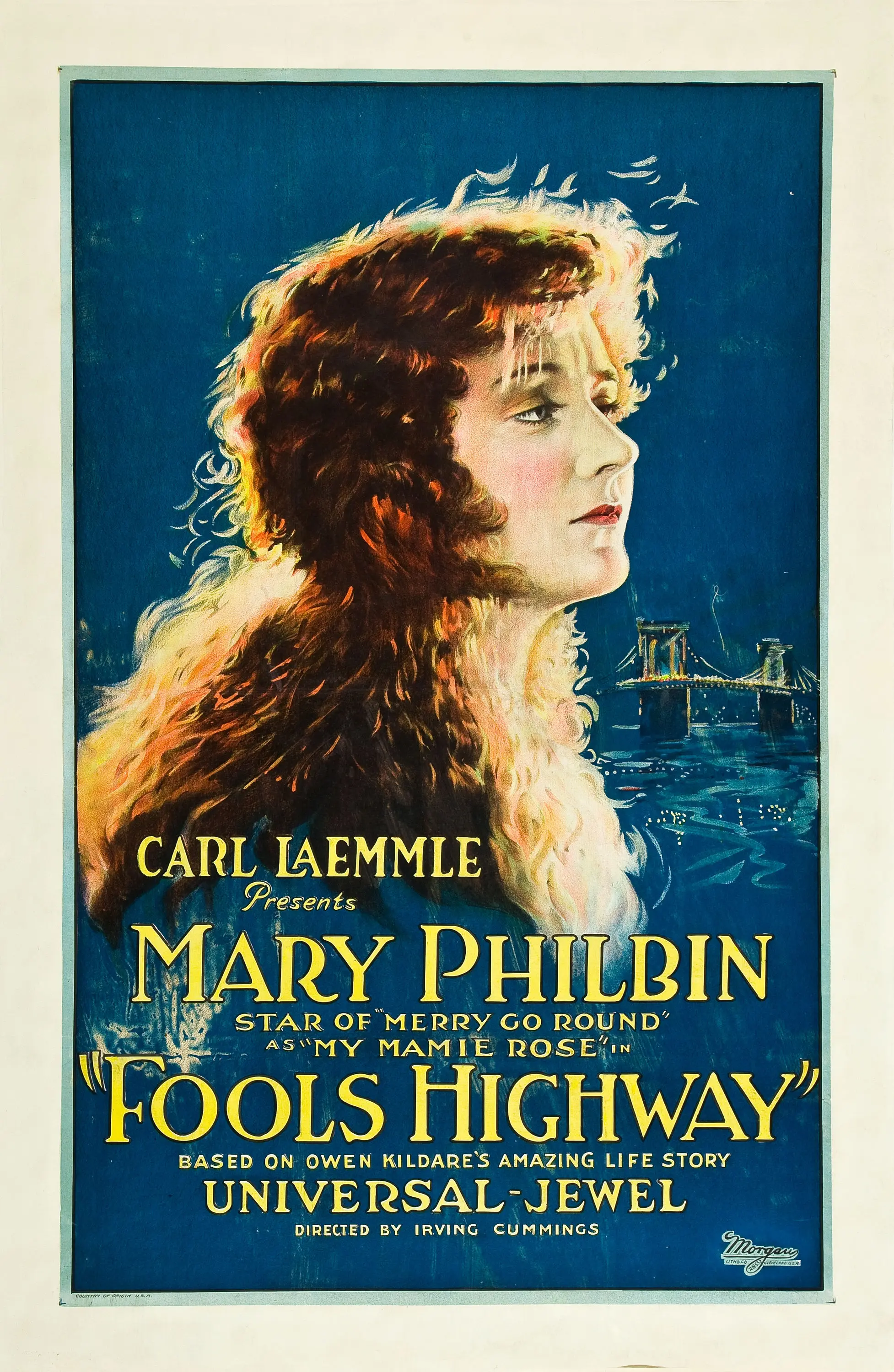
Director's Spotlight: United States
A Deep Dive into the 1924 Vision of Irving Cummings
Analyzing Fools Highway (1924) requires a deep dive into the unique directorial voice that Irving Cummings brought to the screen. By challenging the status quo of 1924 cinema, it continues to spark endless debates among critics and cinephiles alike.
In Fools Highway, Irving Cummings pushes the boundaries of conventional narrative. The film's unique approach to its subject matter has sparked endless debates and interpretations among cinephiles and critics alike.
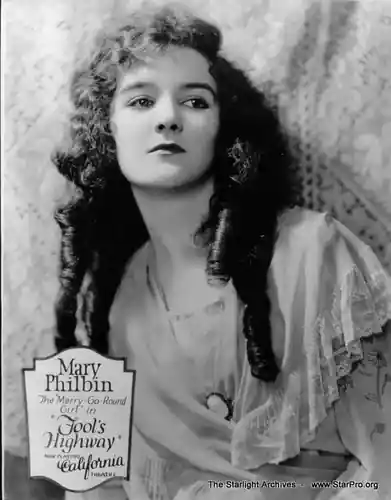
To fully appreciate Fools Highway, one must consider the cinematic climate of 1924. During this period, United States was undergoing significant artistic shifts, and Irving Cummings was at the forefront of this Drama movement, often challenging established norms.
| Cinematography | Handheld |
| Soundtrack | Experimental |
| Editing | Elliptical |
| Art Direction | Expressionist |
Visualizing the convergence of Irving Cummings's style and the core Drama narrative.
Mike Kildare, a swaggering youth from New York City's Bowery at the turn of the century, comes to the defense of Mamie Rose, a mender in a secondhand clothing shop, when his own gang of Irish-Americans insult her. Mamie is fascinated by Kildare's brute strength, but she is also attracted to Max Davidson, the kind and gentle nephew of her Jewish tailor boss, Old Levi. Kildare's gang, which Mike has forsaken to prove his love to Mamie, gives him a severe beating in an underground den, but he takes the punishment, reforms, wins Mamie's hand in marriage, and joins the police force.
Decades after its release, Fools Highway remains a vital piece of the cinematic puzzle. Its influence can be seen in countless modern works, solidifying Irving Cummings's status as a master of the craft in United States and beyond.