
DbcultAccessing Vault...
Director's Spotlight
Senior Film Conservator
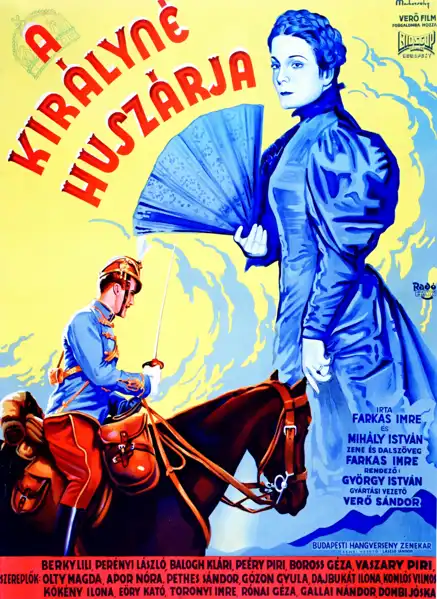
Director's Spotlight: Hungary
A Deep Dive into the 1935 Vision of István György
To understand the modern evolution of Hungary film, one must first look at A királyné huszárja and the meticulous attention to detail that István György applied to every frame. Reflecting the political and social shifts of the 1935s, it showcases the power of Drama as a tool for social commentary.
In A királyné huszárja, István György pushes the boundaries of conventional narrative. The film's unique approach to its subject matter has sparked endless debates and interpretations among cinephiles and critics alike.
The visual language of A királyné huszárja is defined by its use of shadows and framing, a hallmark of István György's style. By utilizing a 1935-era palette, the film creates an immersive experience that perfectly complements its Drama themes.
| Cinematography | Deep Focus |
| Soundtrack | Diegetic |
| Editing | Elliptical |
| Art Direction | Expressionist |
Visualizing the convergence of István György's style and the core Drama narrative.
Empress Elizabeth of the Austro-Hungarian empire in the 2nd half of the 19th century is fondly remembered for unraveling the troubles of distressed lovers. There are serenades, gypsy music, army uniforms, and moonlight.
Decades after its release, A királyné huszárja remains a vital piece of the cinematic puzzle. Its influence can be seen in countless modern works, solidifying István György's status as a master of the craft in Hungary and beyond.