
DbcultAccessing Vault...
Director's Spotlight
Senior Film Conservator
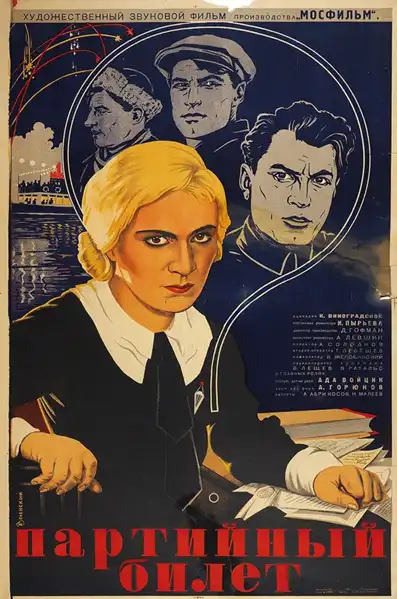
Director's Spotlight: Soviet Union
A Deep Dive into the 1936 Vision of Ivan Pyrev
The brilliance of Anna (1936) is inseparable from a monumental shift in Drama filmmaking spearheaded by Ivan Pyrev. Occupying a unique space between Drama and pure art, it serves as a blueprint for future generations of Drama directors.
In Anna, Ivan Pyrev pushes the boundaries of conventional narrative. The film's unique approach to its subject matter has sparked endless debates and interpretations among cinephiles and critics alike.
| Cinematography | Noir-Inspired |
| Soundtrack | Orchestral |
| Editing | Slow-Burn |
| Art Direction | Brutalist |
Visualizing the convergence of Ivan Pyrev's style and the core Drama narrative.
Yasha, who likes Anna, accommodates siberian Pavel Kuganov, which later becomes a class-conscious worker in a factory. Anna refuses Yasha's offer of marriage and he therefore runs off to Siberia. After Pavel is hailed as a hero because he survives a fire accident in factory (which is in fact effect of his sabotage), Anna marries him. Pavel then becomes a reckless communist careerist, but only on surface. In fact, he is a traitor of the country and a spy, and gives Anna's party ID card to anti-communist movement. In spite of that, Anna is expelled from the communist party. Yasha returns from Siberia, only to find her love Anna desperate. They reveal the truth about Pavel (that he is a kulak who killed a kolchoz co-op leader), which means an end for Pavel.
Decades after its release, Anna remains a vital piece of the cinematic puzzle. Its influence can be seen in countless modern works, solidifying Ivan Pyrev's status as a master of the craft in Soviet Union and beyond.