
DbcultAccessing Vault...
Director's Spotlight
Senior Film Conservator
Director's Spotlight: United States
A Deep Dive into the 1920 Vision of J. Gordon Cooper
Peeling back the layers of J. Gordon Cooper's The Five Dollar Plate exposes the technical innovation that J. Gordon Cooper introduced to the Short format. Driven by an uncompromising commitment to Short excellence, it stands as the definitive 1920 statement on Short identity.
In The Five Dollar Plate, J. Gordon Cooper pushes the boundaries of conventional narrative. The film's unique approach to its subject matter has sparked endless debates and interpretations among cinephiles and critics alike.
To fully appreciate The Five Dollar Plate, one must consider the cinematic climate of 1920. During this period, United States was undergoing significant artistic shifts, and J. Gordon Cooper was at the forefront of this Short movement, often challenging established norms.
| Cinematography | Static |
| Soundtrack | Experimental |
| Editing | Elliptical |
| Art Direction | Expressionist |
Visualizing the convergence of J. Gordon Cooper's style and the core Short narrative.
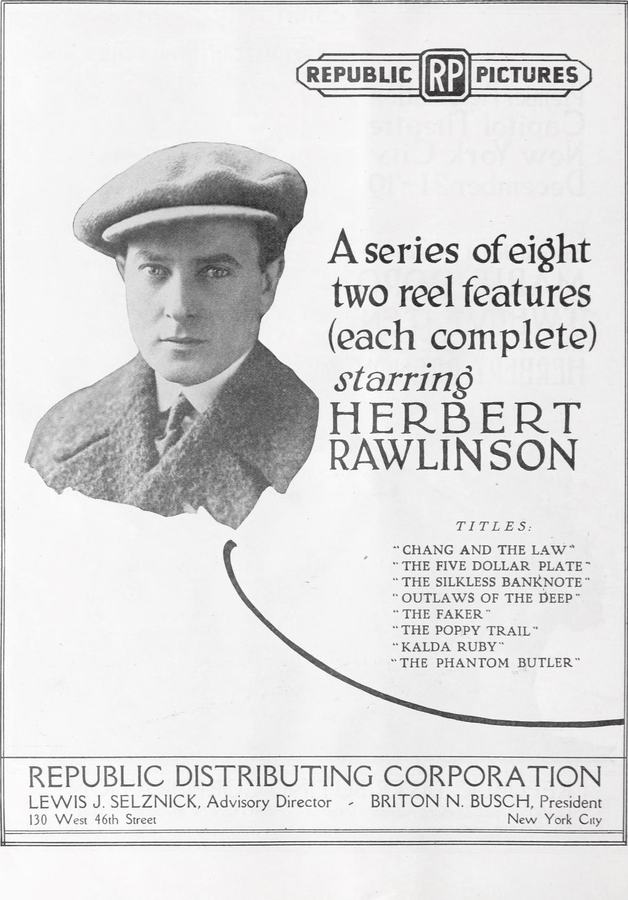
A man who has been imprisoned for implication in the manufacture of counterfeit money is totally blind when released from prison. His little daughter, through the kindness of Detective Arnold, comes to meet him at the prison gate, and becomes her father's helper at the news stand, where he is placed by Detective Arnold. Through his friendship for the little girl and her father, the detective is able to trace the gang of counterfeiters when they negotiate for the Harrison plate, the whereabouts of which is known only to the released convict.
Decades after its release, The Five Dollar Plate remains a vital piece of the cinematic puzzle. Its influence can be seen in countless modern works, solidifying J. Gordon Cooper's status as a master of the craft in United States and beyond.