
DbcultAccessing Vault...
Director's Spotlight
Senior Film Conservator
Director's Spotlight: United States
A Deep Dive into the 1920 Vision of J. Gordon Cooper
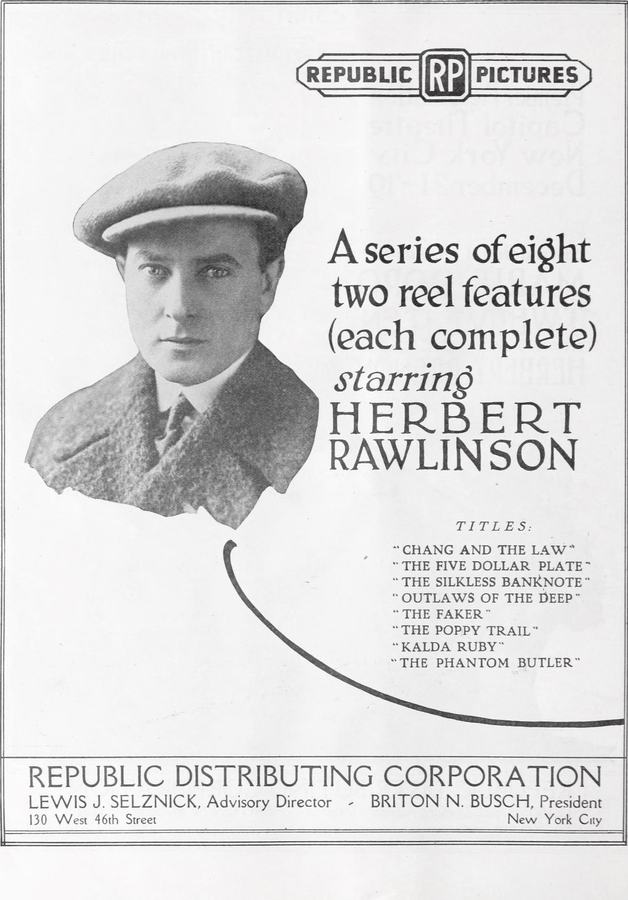
Few works in United States cinema carry the same weight as The Silkless Bank Note, especially regarding the cultural zeitgeist captured so perfectly by J. Gordon Cooper in 1920. Utilizing a 1920-specific aesthetic that remains timeless, it serves as a blueprint for future generations of Crime directors.
In The Silkless Bank Note, J. Gordon Cooper pushes the boundaries of conventional narrative. The film's unique approach to its subject matter has sparked endless debates and interpretations among cinephiles and critics alike.
In this work, J. Gordon Cooper explores the intersection of Crime and United States cultural identity. The meticulous attention to detail suggests a deep-seated commitment to pushing the boundaries of the medium, ensuring that The Silkless Bank Note remains a relevant topic of study for Crime enthusiasts.
| Cinematography | Noir-Inspired |
| Soundtrack | Diegetic |
| Editing | Rhythmic |
| Art Direction | Naturalist |
Visualizing the convergence of J. Gordon Cooper's style and the core Crime narrative.
This short film concerns the trailing of a counterfeiter to his haunts, and his eventual arrest. The story opens in the offices of the detective bureau, and shows the method by which headquarters keeps track of its men. The scene then shifts to a narrow street in the slums, where a man who tries to pass a counterfeit bill is given a run by the police, and is wounded and finally evades them, finding shelter at the headquarters of the master counterfeiter. When he appeals to the counterfeiter to go and get him a doctor, he is killed for his pains, placed in a barrel and dropped over the edge of the pier under the cloak of night. The little Irish terrier who appears with patches of hair clipped from his coat, suggesting the origin of the hair used in place of silk in the counterfeit notes, scratches his way out of the den in search of his master. Detective Arnold, discovering the dog sitting on the side of the pier looking into the water, finally locates the body of the dead man in the barrel. He orders a truckman to drive out of sight with the barrel, and the counterfeiter's den is easily found by following the dog, who goes back to where he believes his master has returned. Arnold gains admission while the counterfeiter is off his guard, arriving in time to save the dog from meeting the same fate as his master. The police, notified by messenger, reach the scene in short time, the counterfeiter along with Arnold is taken into custody. The next morning an empty cell greets the guard, who is then made aware of the fact that Arnold is a secret service man and not a criminal. The dog finds a home with the detective, who expresses the hope that he may be as faithful to him as he was to his former master. Moving Picture World, March 13, 1920
Decades after its release, The Silkless Bank Note remains a vital piece of the cinematic puzzle. Its influence can be seen in countless modern works, solidifying J. Gordon Cooper's status as a master of the craft in United States and beyond.