
DbcultAccessing Vault...
Director's Spotlight
Senior Film Conservator
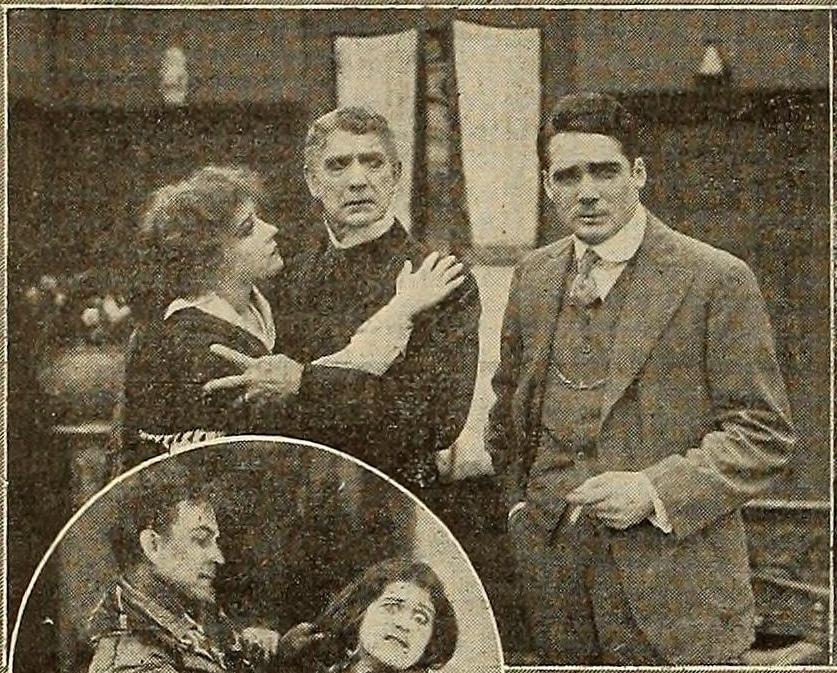
Director's Spotlight: United States
A Deep Dive into the 1916 Vision of J. Gordon Edwards
The brilliance of A Wife's Sacrifice (1916) is inseparable from a monumental shift in cult filmmaking spearheaded by J. Gordon Edwards. Occupying a unique space between cult and pure art, it serves as a blueprint for future generations of cult directors.
In A Wife's Sacrifice, J. Gordon Edwards pushes the boundaries of conventional narrative. The film's unique approach to its subject matter has sparked endless debates and interpretations among cinephiles and critics alike.
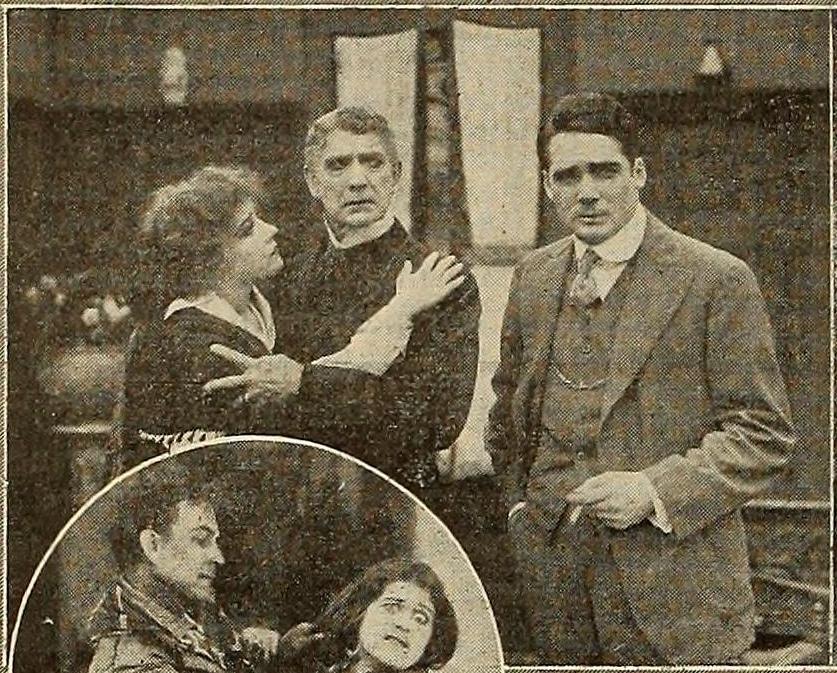
To fully appreciate A Wife's Sacrifice, one must consider the cinematic climate of 1916. During this period, United States was undergoing significant artistic shifts, and J. Gordon Edwards was at the forefront of this cult movement, often challenging established norms.
| Cinematography | High-Contrast |
| Soundtrack | Synth-Heavy |
| Editing | Disjunctive |
| Art Direction | Baroque |
Visualizing the convergence of J. Gordon Edwards's style and the core cult narrative.
Brother and sister Peppo and Gorgone destroy the death certificates of a brother and sister named Palmieri who died in Calcutta, and assume their identities so they can inherit 20 million francs. They hire a law firm in Paris, where Gorgone meets the Count De Moray, a wealthy diplomat who just returned from India, and attempts to ensnare him. When the count's wife pledges a necklace to a jeweler for a loan to pay her mother's illegitimate son, gambler Robert Burel, to keep his identity secret, Peppo informs Gorgone, who convinces the count that his wife has a lover. When Gorgone pays Robert, the count sees them embrace. He shoots Robert, divorces the countess and marries Gorgone. Later, the count's daughter Pauline returns from India with her sweetheart, Elliott Drake of the Italian consulate. After Pauline agrees to marry Peppo to save her father from financial ruin, the countess gets her mother to confess, and Drake proves that Peppo and Gorgone are impostors. The countess forgives her husband, Peppo takes poison, and Gorgone accidentally stabs herself to death trying to kill the count.
Decades after its release, A Wife's Sacrifice remains a vital piece of the cinematic puzzle. Its influence can be seen in countless modern works, solidifying J. Gordon Edwards's status as a master of the craft in United States and beyond.