
DbcultAccessing Vault...
Director's Spotlight
Senior Film Conservator
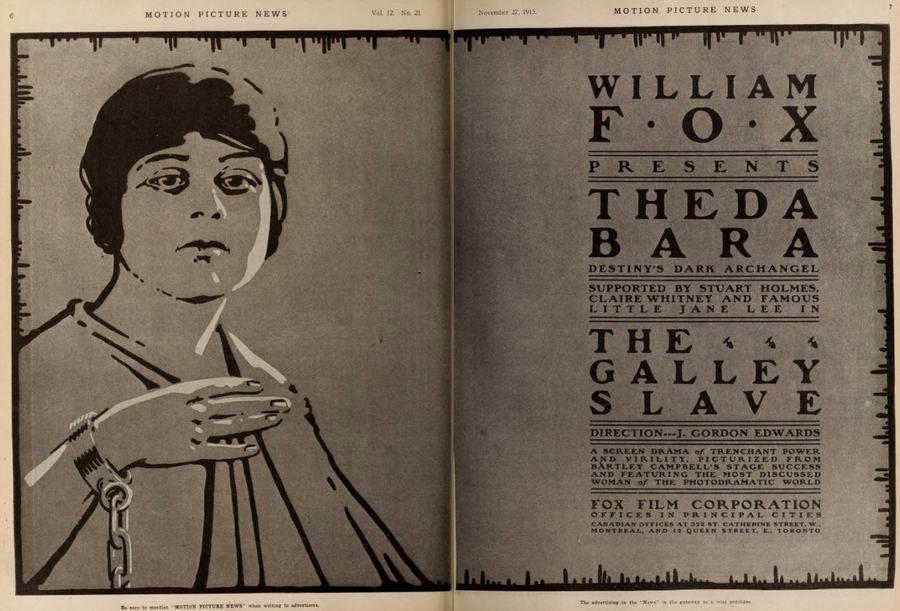
Director's Spotlight: United States
A Deep Dive into the 1915 Vision of J. Gordon Edwards
Few works in United States cinema carry the same weight as The Galley Slave, especially regarding the cultural zeitgeist captured so perfectly by J. Gordon Edwards in 1915. Utilizing a 1915-specific aesthetic that remains timeless, it serves as a blueprint for future generations of cult directors.
In The Galley Slave, J. Gordon Edwards pushes the boundaries of conventional narrative. The film's unique approach to its subject matter has sparked endless debates and interpretations among cinephiles and critics alike.
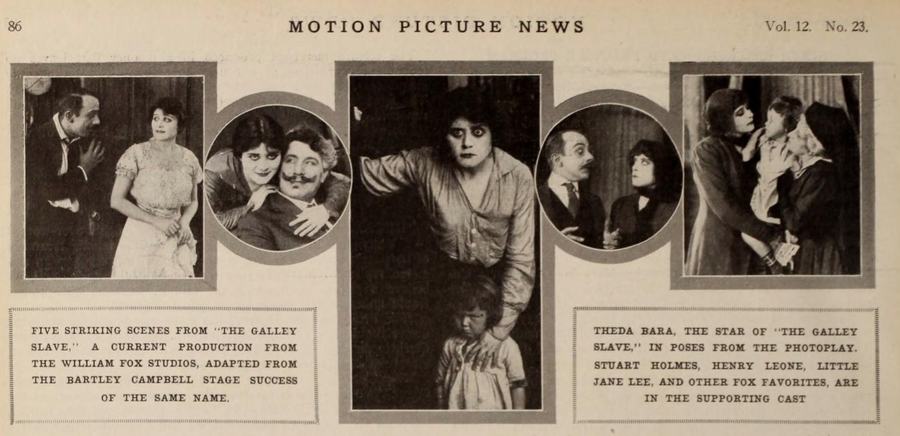
In this work, J. Gordon Edwards explores the intersection of cult and United States cultural identity. The meticulous attention to detail suggests a deep-seated commitment to pushing the boundaries of the medium, ensuring that The Galley Slave remains a relevant topic of study for cult enthusiasts.
| Cinematography | High-Contrast |
| Soundtrack | Diegetic |
| Editing | Rhythmic |
| Art Direction | Naturalist |
Visualizing the convergence of J. Gordon Edwards's style and the core cult narrative.
Francesca Brabaut, who married an artist against her father's advice, regrets her decision when her husband Antoine, in debt, sends her to his misanthropic uncle to plead for money. After Francesca refuses the uncle's offer to change his will if she will have sex with him, the uncle, declaring that he has misjudged women, decides to leave money to provide for Francesca and her child but dies of heart failure first. Antoine inherits a castle and title and deserts Francesca. Later, while posing in Florence for an American artist, Francesca meets the artist's sweetheart, American heiress Cecily Blaine, whose mother wants her to marry someone with a title. When Francesca learns that Antoine plans to marry Cecily, she threatens to expose him, but he convinces Cecily that Francesca and the artist are married. Cecily then consents to marry Antoine. After Francesca and the artist are sent to the galleys unjustly for theft, Antoine is exposed. When he tries to kidnap their child, Francesca shoots him, whereupon Cecily marries the artist.
Decades after its release, The Galley Slave remains a vital piece of the cinematic puzzle. Its influence can be seen in countless modern works, solidifying J. Gordon Edwards's status as a master of the craft in United States and beyond.