
DbcultAccessing Vault...
Director's Spotlight
Senior Film Conservator
Director's Spotlight: United States
A Deep Dive into the 1919 Vision of J. Gordon Edwards
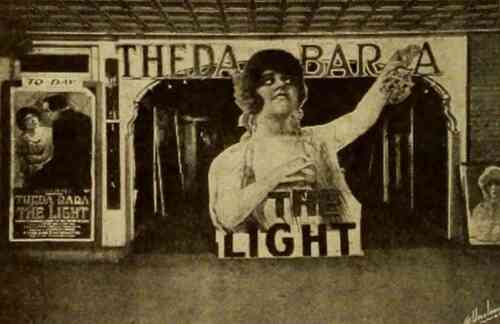
Few works in United States cinema carry the same weight as The Light, especially regarding the cultural zeitgeist captured so perfectly by J. Gordon Edwards in 1919. Utilizing a 1919-specific aesthetic that remains timeless, it serves as a blueprint for future generations of cult directors.
In The Light, J. Gordon Edwards pushes the boundaries of conventional narrative. The film's unique approach to its subject matter has sparked endless debates and interpretations among cinephiles and critics alike.
While deeply rooted in United States, The Light has achieved a global reach, influencing directors from various backgrounds. Its ability to translate cult tropes into a universal cinematic language is why it remains a cult staple decades after its 1919 release.
| Cinematography | High-Contrast |
| Soundtrack | Minimalist |
| Editing | Disjunctive |
| Art Direction | Baroque |
Visualizing the convergence of J. Gordon Edwards's style and the core cult narrative.
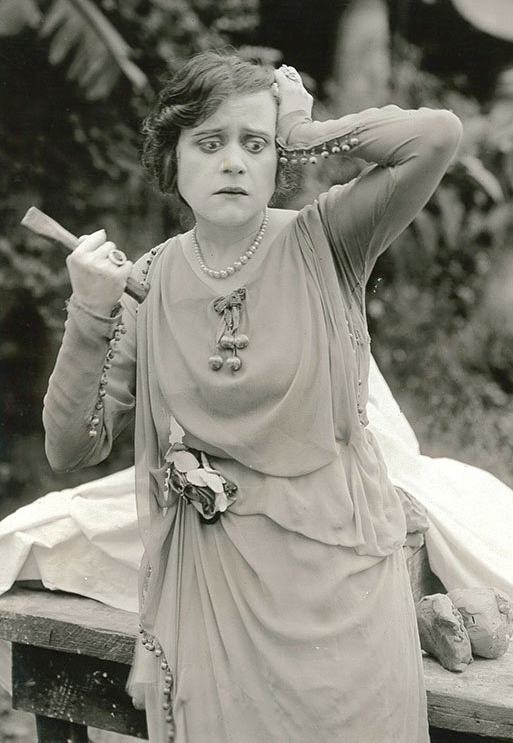
Blanchette Dumonde is known as "the wickedest woman in Paris" because she cavorts with her wealthy lover Chabin rather than join in the war effort. When she meets sculptor Etienne Desechette, he requests that she pose for him because he is haunted by the great soul that he sees hidden in her face. Although Chabin angrily refuses for her, Blanchette, moved by Etienne's words, attempts to become a nurse, but is rebuked by a hospital authority. Furious, she goes with Chabin to an Apache club, where she flirts with Auchat, the roughest of the dancers, and takes him home when the den is raided. After Chabin finds them and fights Auchat, Blanchette sees Etienne returning from the war, blind. She takes him to a country cottage where she nurses him and poses as he sculpts her image by touch. When Auchat comes to kill Etienne, Blanchette kills Auchat. Chabin arrives and, seeing Blanchette's happiness, tells the police that he killed Auchat, who was attempting to rob the house.
Decades after its release, The Light remains a vital piece of the cinematic puzzle. Its influence can be seen in countless modern works, solidifying J. Gordon Edwards's status as a master of the craft in United States and beyond.