
DbcultAccessing Vault...
Director's Spotlight
Senior Film Conservator
Director's Spotlight: United States
A Deep Dive into the 1920 Vision of J. Gordon Edwards
Peeling back the layers of J. Gordon Edwards's The Orphan exposes the collaborative alchemy between J. Gordon Edwards and the 1920 creative team. Anchored by a narrative that is both personal and universal, it reinforces the idea that cinema is a medium of infinite possibilities.
In The Orphan, J. Gordon Edwards pushes the boundaries of conventional narrative. The film's unique approach to its subject matter has sparked endless debates and interpretations among cinephiles and critics alike.
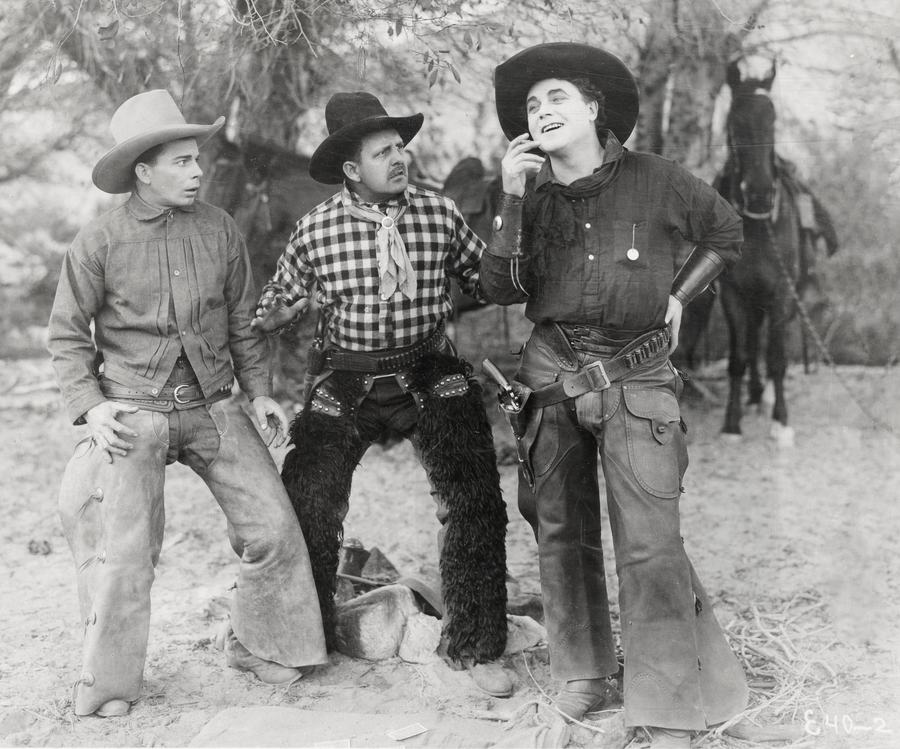
To fully appreciate The Orphan, one must consider the cinematic climate of 1920. During this period, United States was undergoing significant artistic shifts, and J. Gordon Edwards was at the forefront of this Drama movement, often challenging established norms.
| Cinematography | Static |
| Soundtrack | Minimalist |
| Editing | Slow-Burn |
| Art Direction | Brutalist |
Visualizing the convergence of J. Gordon Edwards's style and the core Drama narrative.
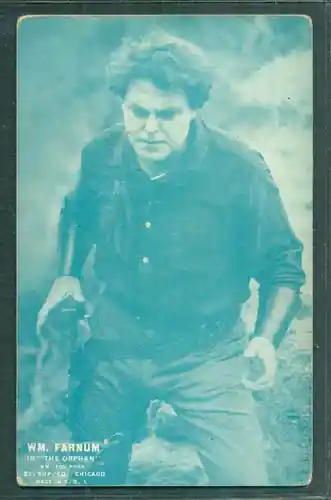
A young boy becomes an outlaw to avenge the hanging death of his father. Known as "The Orphan," he is wanted by the law. Sheriff Jim Shields tracks him down, but when the two are attacked by Indians, they temporarily join forces. The Orphan saves Helen, the sheriff's niece, when her stage is attacked by Apaches. Tex Willard, leader of an outlaw gang, plans to kill the Sheriff, but the scheme goes awry. The Orphan, recognizing Willard as the man who killed his father, kills him in a gun duel, is made foreman of the Sheriff's ranch, and wins Helen's love.
Decades after its release, The Orphan remains a vital piece of the cinematic puzzle. Its influence can be seen in countless modern works, solidifying J. Gordon Edwards's status as a master of the craft in United States and beyond.