
DbcultAccessing Vault...
Director's Spotlight
Senior Film Conservator
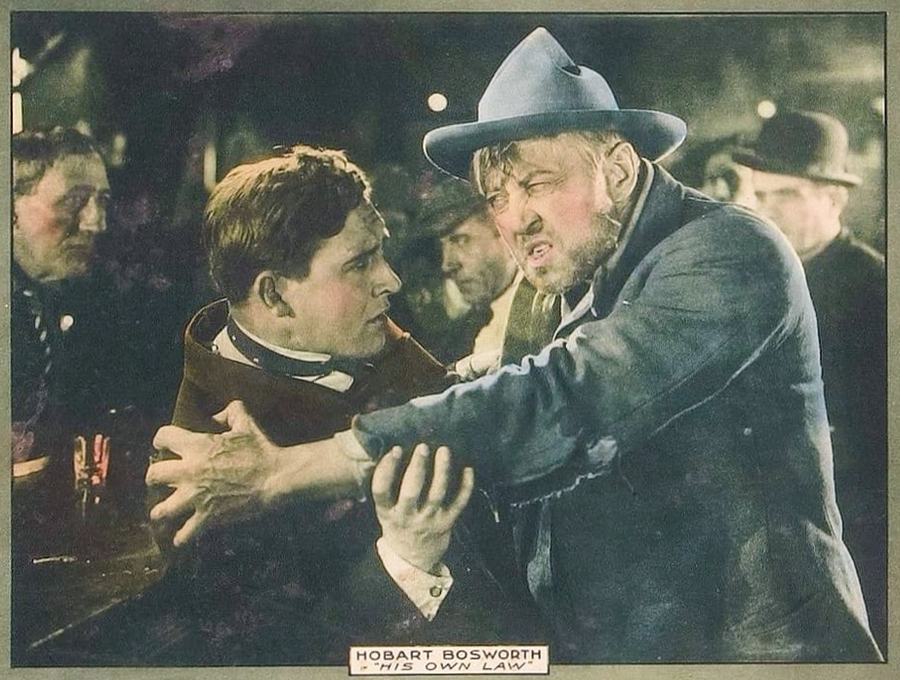
Director's Spotlight: United States
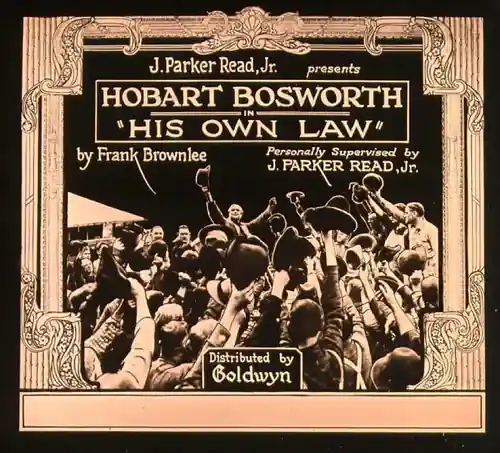
A Deep Dive into the 1920 Vision of J. Parker Read Jr.
The thematic gravity of His Own Law (1920) is rooted in the artistic risks taken by J. Parker Read Jr. that eventually paid off. Defining a new era of United States artistic expression, it demands to be seen by anyone who cares about the art of film.
In His Own Law, J. Parker Read Jr. pushes the boundaries of conventional narrative. The film's unique approach to its subject matter has sparked endless debates and interpretations among cinephiles and critics alike.
The visual language of His Own Law is defined by its use of shadows and framing, a hallmark of J. Parker Read Jr.'s style. By utilizing a 1920-era palette, the film creates an immersive experience that perfectly complements its Drama themes.
| Cinematography | Deep Focus |
| Soundtrack | Minimalist |
| Editing | Disjunctive |
| Art Direction | Baroque |
Visualizing the convergence of J. Parker Read Jr.'s style and the core Drama narrative.
Wealthy contractor J. C. MacNeir becomes greatly attached to young French engineer Jean Saval, whom he meets during the course of one of the drunken sprees in which he indulges between jobs. After a night spent in cheap lodgings, MacNeir offers Saval employment and they both start on a construction job in Chinook where the Frenchman falls in love with Sylvia Harris. Soon after, he is called to defend France during World War I, but before leaving extracts a promise from MacNeir to look after Sylvia. When word comes of Saval's death, and Sylvia discovers that she is pregnant, MacNeir offers to marry her. Four years later, Saval returns after his release from a German prisoner-of-war camp and accuses his friend of treachery. MacNeir finally convinces the Frenchman that he has only acted as Sylvia's guardian. It is then left to Sylvia to choose her husband, and she picks Saval, leaving MacNeir to accept defeat gracefully.
Decades after its release, His Own Law remains a vital piece of the cinematic puzzle. Its influence can be seen in countless modern works, solidifying J. Parker Read Jr.'s status as a master of the craft in United States and beyond.