
DbcultAccessing Vault...
Director's Spotlight
Senior Film Conservator
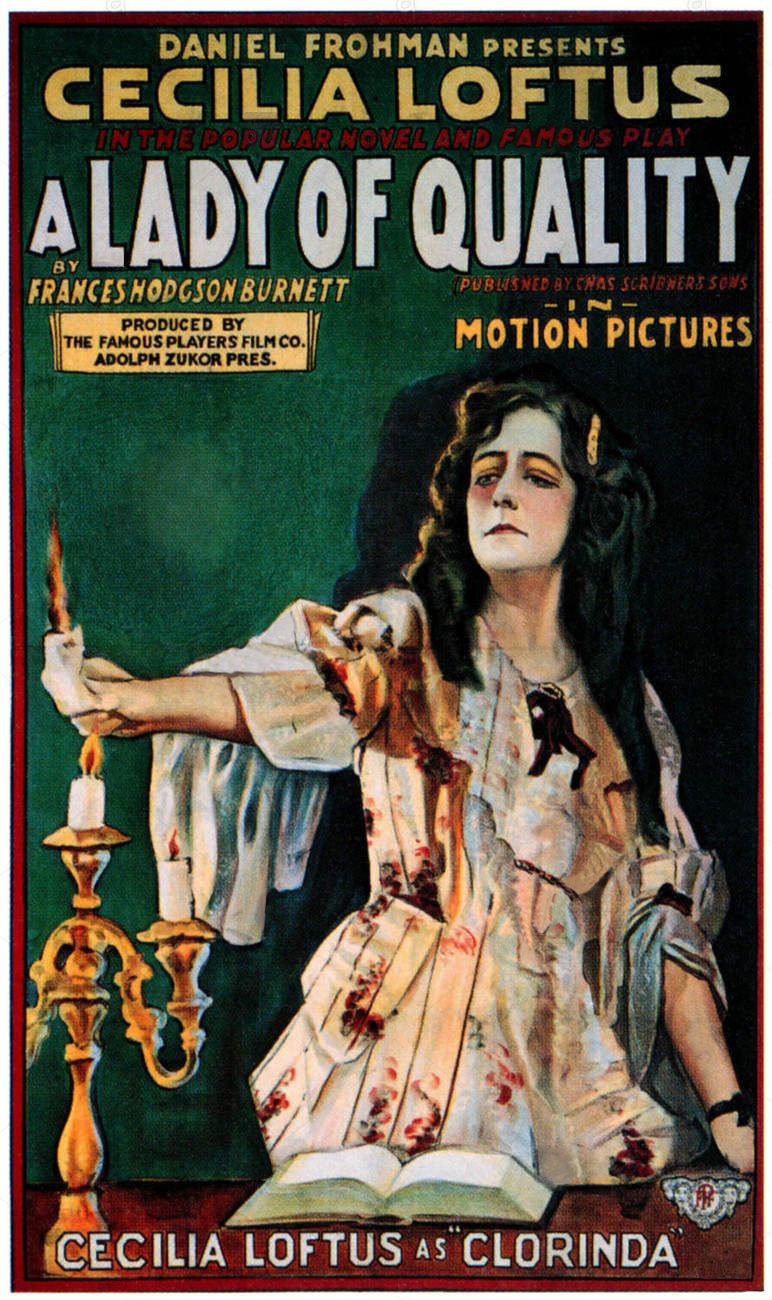
Director's Spotlight: United States
A Deep Dive into the 1913 Vision of J. Searle Dawley
The thematic gravity of A Lady of Quality (1913) is rooted in the artistic risks taken by J. Searle Dawley that eventually paid off. Defining a new era of United States artistic expression, it demands to be seen by anyone who cares about the art of film.
In A Lady of Quality, J. Searle Dawley pushes the boundaries of conventional narrative. The film's unique approach to its subject matter has sparked endless debates and interpretations among cinephiles and critics alike.
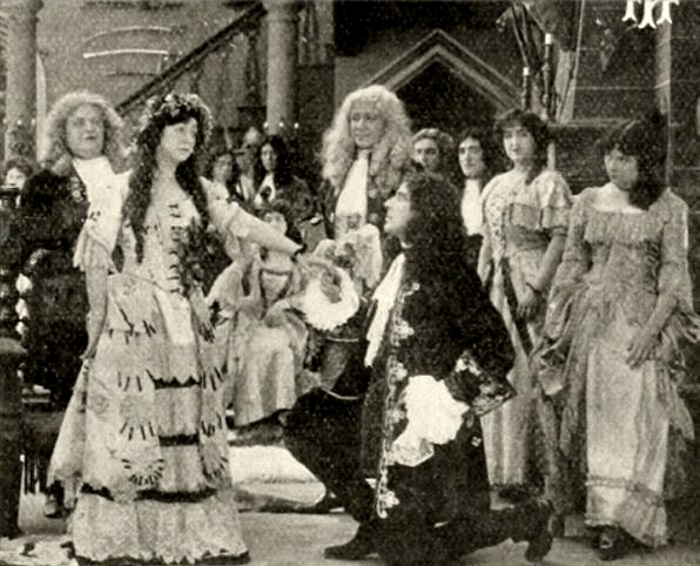
The visual language of A Lady of Quality is defined by its use of shadows and framing, a hallmark of J. Searle Dawley's style. By utilizing a 1913-era palette, the film creates an immersive experience that perfectly complements its cult themes.
| Cinematography | Noir-Inspired |
| Soundtrack | Orchestral |
| Editing | Invisible |
| Art Direction | Kitsch |
Visualizing the convergence of J. Searle Dawley's style and the core cult narrative.
News is received by Sir Jeoffrey, a dissolute roué, whose contempt for the other sex extends even to his own daughters, of the arrival of another female child in the family. The mother dies shortly after, and the child, Clorinda, is brought up among the servants without a guiding hand. True to his vow to ignore his offspring, Sir Jeoffrey does not come in contact with Clo, until her sixth year, when he finds her playing with his powder horn in the great hall of his castle, Wildair, and sternly upbraids her. The child, who has inherited her father's courage and strength of will, shows no fear, and grasping a riding crop beats Sir Jeoffrey with all the fury of her tiny wrath. Her spirit and daring attract Sir Jeoffrey's attention, and he is delighted to find the child his own. From that moment, he keeps her in his own company, dressed in boy's clothing to obscure her sex, a member of his wanton circle. She grows up in this atmosphere of debauchery, and learns to swear, smoke and drink. Years later, at a hunting lodge, she meets the Duke of Osmonde and other great gentlemen, who are shocked at her male attire and masculine manners. In a spirit of pious benevolence, Lord Twenlow sends his chaplain to Wildair Hall to censure Sir Jeoffrey for permitting his daughter to grow up in this wild style. Clo overhears the Chaplain's remonstrances and realizes the true significance of her reckless habits. Meantime, her notoriety has reached London, and Sir John Oxon, the beau ideal of the town, lays a wager that he will win the heart of Clo, not as a hoyden, but as a woman. He arrives at Wildair Hall on Clo's birthday-night, and banters her on her claims to masculine prowess. Stung by his derision to prove she has all the attributes of a man, she challenges him to a duel, in which Sir John Oxon is badly worsted. However, his sarcasm has had definite effect and at the striking of the midnight hour, she gives the toast to the assembled noblemen: "Behold me for the last time clad in trousers." Later she appears in the Hall dressed in all the finery of a lady of quality, and from that moment bends every effort to attain that title legitimately. Sir John Oxon piles all his wiles to win her untutored heart, and she finally falls a victim to his flattery. Secretly she meets him in the rose garden, but publicly she slights him in the great halls. Nevertheless, Oxon wins her confidence, and she bestows her first kiss upon his lips, but not without a price, for at that moment he steals one of her raven curls, the proof of his wager. He hastens back to London to boast of his conquest, but in an intoxicated moment he hides the curl for safe-keeping, forgetting where. Clo waits for his return and is shocked when she receives news from London that he is to wed a wealthy lady of title. At this critical moment in her life the old Earl of Dunstanwolde asks her hand in marriage, and piqued at having thrown her affections so idly away, she accepts. A half hour later, she meets the Duke of Osmonde, and recognizes in him the man she loves. Faithful to her promise, she marries the Earl of Dunstanwolde, and becomes his devoted wife until he dies two years later. Sir John Oxon, having failed to make his match, and aware that Clo now possesses wealth, influence and position, tries to win back the heart he had so ruthlessly cast aside. But Osmonde has triumphed over her affections, causing jealousy and hatred to creep into the heart of Oxon. Chance places again in his hand the lost curl, which he holds over her head as a silken sword. Stunned by the fear that she will lose the love of Osmonde through the accusing evidence of the curl in an intensely dramatic scene in which Oxon attempts to force his embraces upon her, she strikes him across the temple with her riding crop. He falls to the floor. She lashes him, the pale still body lies there, dead. At that moment guests arrive, she conceals the body under the couch, and in the dead of night she drags it down into the deep cellar. For years afterwards, she atones for her sin by paying Oxon's debts, consoling the women had he wronged, and in other ways undoing the evil he had wrought.
Decades after its release, A Lady of Quality remains a vital piece of the cinematic puzzle. Its influence can be seen in countless modern works, solidifying J. Searle Dawley's status as a master of the craft in United States and beyond.