
DbcultAccessing Vault...
Director's Spotlight
Senior Film Conservator
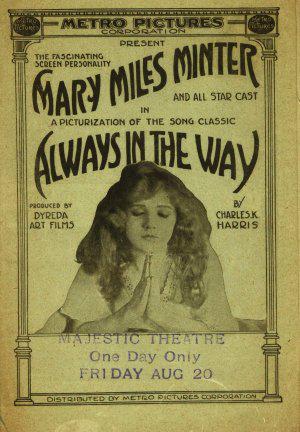
Director's Spotlight: United States
A Deep Dive into the 1915 Vision of J. Searle Dawley
Witnessing the stylistic transformation of cult through Always in the Way reveals the global recognition that J. Searle Dawley garnered after the release of Always in the Way. Serving as a mirror to the anxieties of a changing world, offering layers of thematic complexity that demand repeated viewing.
In Always in the Way, J. Searle Dawley pushes the boundaries of conventional narrative. The film's unique approach to its subject matter has sparked endless debates and interpretations among cinephiles and critics alike.
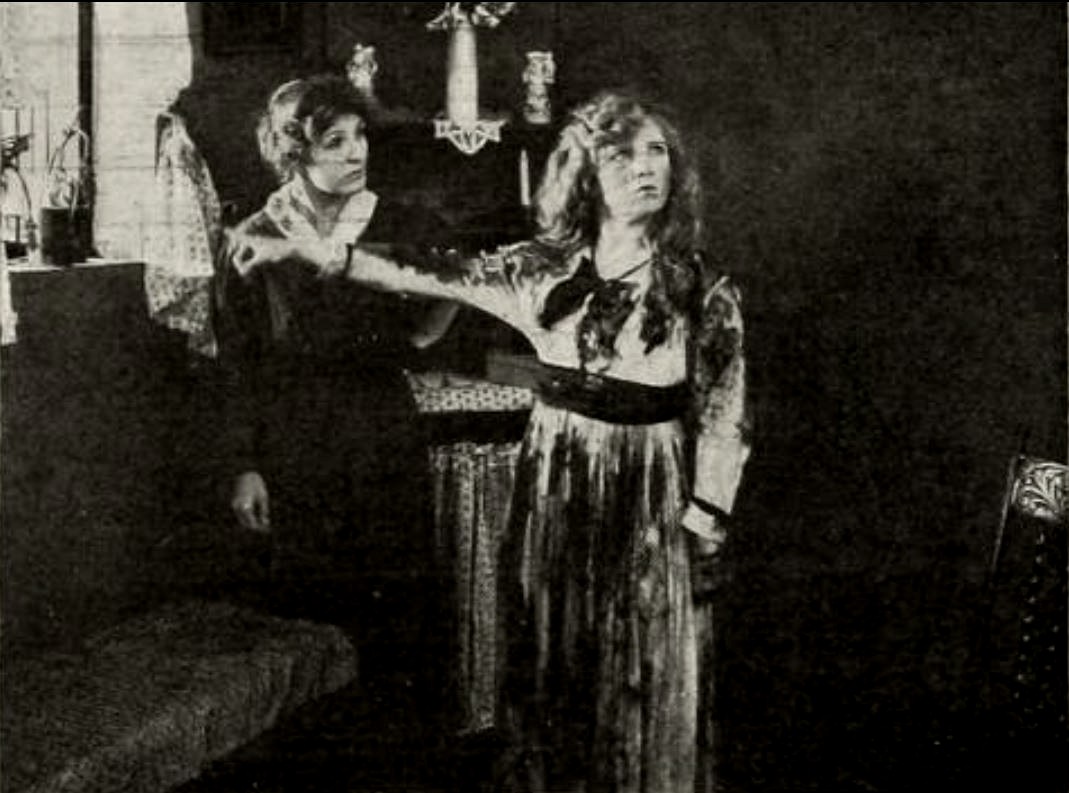
The visual language of Always in the Way is defined by its use of shadows and framing, a hallmark of J. Searle Dawley's style. By utilizing a 1915-era palette, the film creates an immersive experience that perfectly complements its cult themes.
| Cinematography | High-Contrast |
| Soundtrack | Minimalist |
| Editing | Disjunctive |
| Art Direction | Baroque |
Visualizing the convergence of J. Searle Dawley's style and the core cult narrative.
Four-year-old Dorothy, the daughter of rich lawyer Winfred North, is inconsolable over her mother's recent death. Her father, too absorbed with business to pay attention to his daughter and her problems, marries Helen Stillwell, a widow with her own two children. Helen ignores Dorothy while taking care of her own children, treating Dorothy as if she's always "in the way". Finally Dorothy can take no more and runs away. She is found by the Goodwins, a married missionary couple, but when they bring her home, Helen Stillwell denies knowing Dorothy at all, seeing a chance for her own children to inherit Winfred's wealth and cut Dorothy out of the picture altogether. The Goodwins take Dorothy to Africa with them to bring Christianity to the natives, but matters don't work out quite as well as they expected.
Decades after its release, Always in the Way remains a vital piece of the cinematic puzzle. Its influence can be seen in countless modern works, solidifying J. Searle Dawley's status as a master of the craft in United States and beyond.