
DbcultAccessing Vault...
Director's Spotlight
Senior Film Conservator
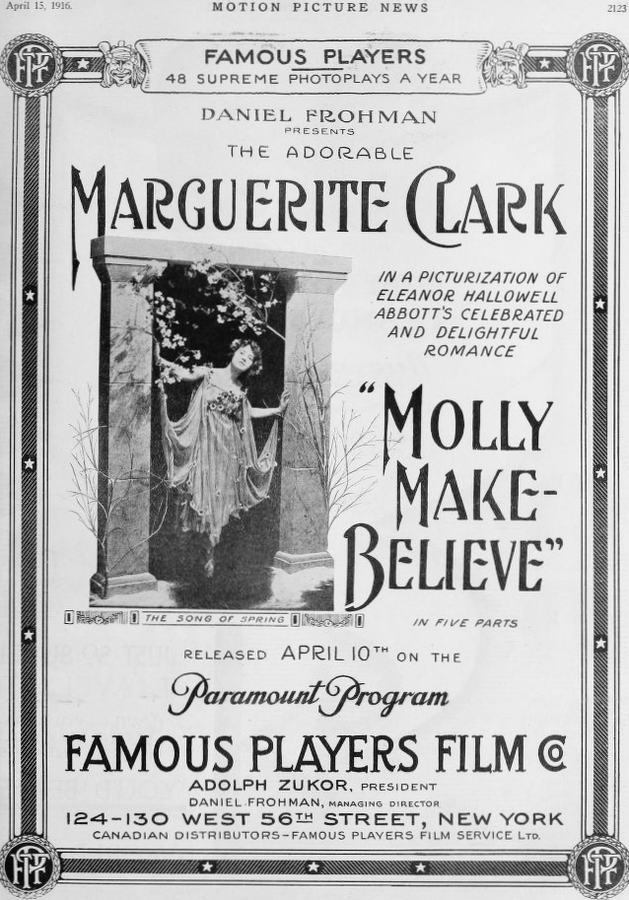
Director's Spotlight: United States
A Deep Dive into the 1916 Vision of J. Searle Dawley
Peeling back the layers of J. Searle Dawley's Molly Make-Believe exposes the technical innovation that J. Searle Dawley introduced to the cult format. Driven by an uncompromising commitment to cult excellence, it stands as the definitive 1916 statement on cult identity.
In Molly Make-Believe, J. Searle Dawley pushes the boundaries of conventional narrative. The film's unique approach to its subject matter has sparked endless debates and interpretations among cinephiles and critics alike.
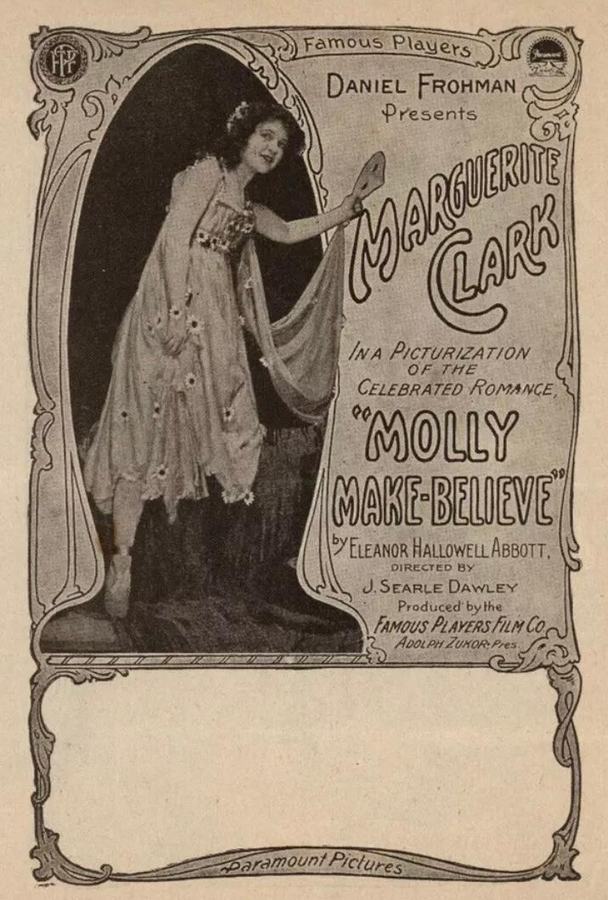
The visual language of Molly Make-Believe is defined by its use of shadows and framing, a hallmark of J. Searle Dawley's style. By utilizing a 1916-era palette, the film creates an immersive experience that perfectly complements its cult themes.
| Cinematography | Static |
| Soundtrack | Diegetic |
| Editing | Elliptical |
| Art Direction | Expressionist |
Visualizing the convergence of J. Searle Dawley's style and the core cult narrative.
Molly is an irrepressible young lady who decamps from her grandmother's farm where she learns of the dire poverty with which they are threatened. Coming to the city, she seeks a position and failing to find one, hits upon the scheme of writing letters to invalids for the purpose of cheering them along the road to recovery. It so happens that her only subscriber is Carl Stanton, in whom she has already taken a violent interest. Carl is totally ignorant of the identity of his little correspondent until matters reach a climax which brings about a revelation of the fact that it is none other than Molly.
Decades after its release, Molly Make-Believe remains a vital piece of the cinematic puzzle. Its influence can be seen in countless modern works, solidifying J. Searle Dawley's status as a master of the craft in United States and beyond.