
DbcultAccessing Vault...
Director's Spotlight
Senior Film Conservator
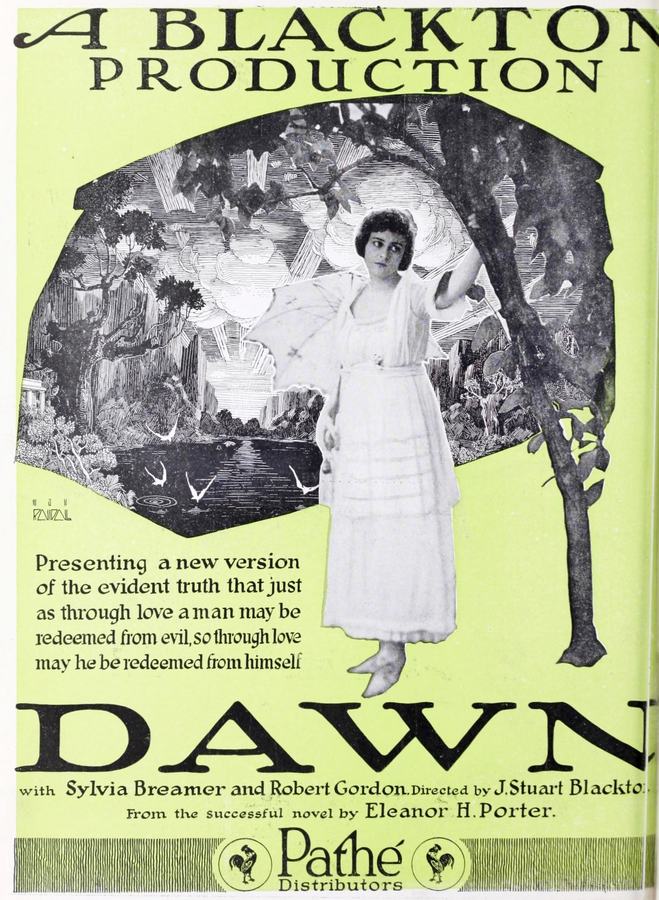
Director's Spotlight: United States
A Deep Dive into the 1919 Vision of J. Stuart Blackton
In the storied career of J. Stuart Blackton, Dawn stands as a the atmospheric immersion that J. Stuart Blackton achieves throughout Dawn. Reflecting the political and social shifts of the 1919s, it reinforces the idea that cinema is a medium of infinite possibilities.
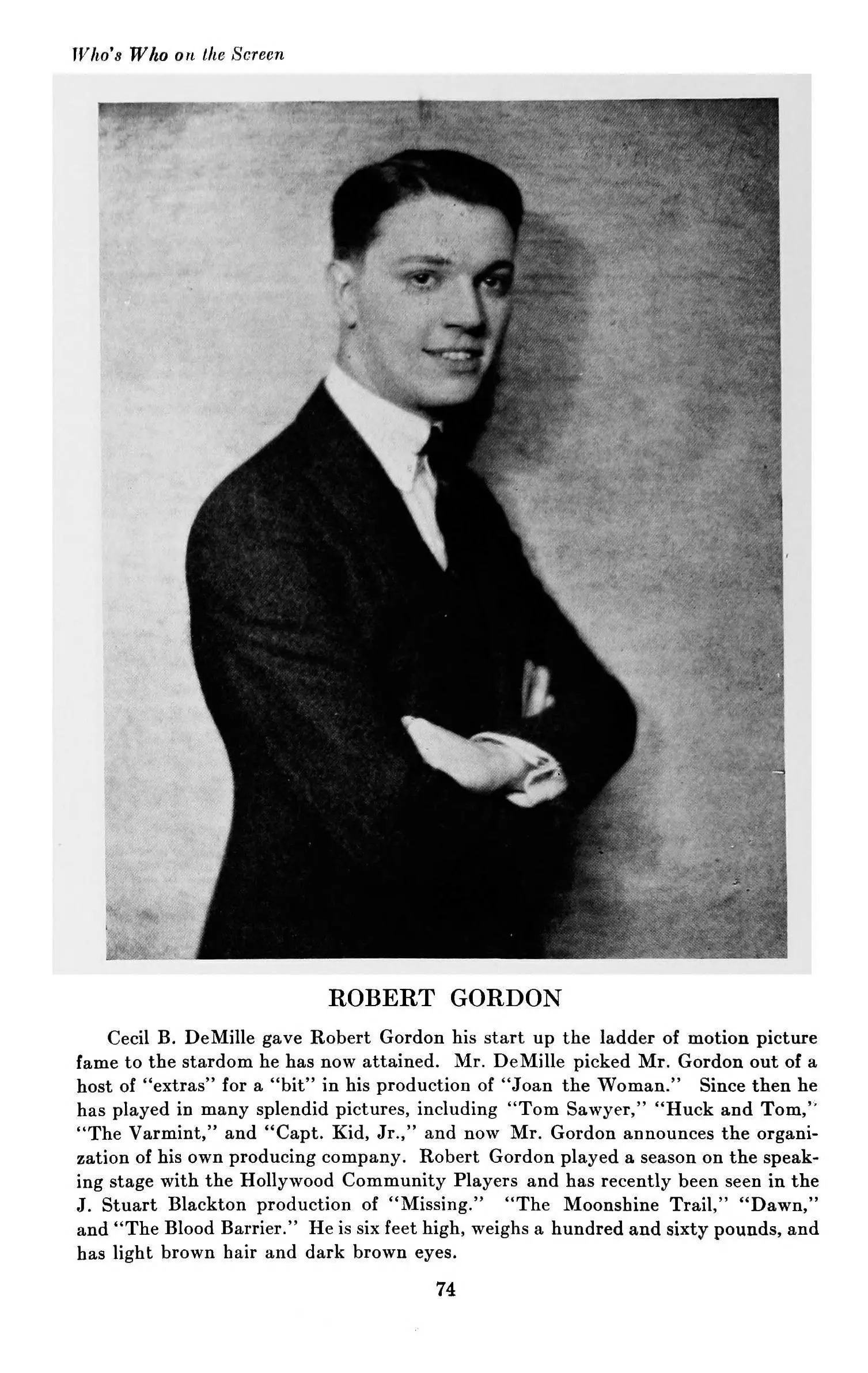
In Dawn, J. Stuart Blackton pushes the boundaries of conventional narrative. The film's unique approach to its subject matter has sparked endless debates and interpretations among cinephiles and critics alike.
| Cinematography | Static |
| Soundtrack | Minimalist |
| Editing | Disjunctive |
| Art Direction | Baroque |
Visualizing the convergence of J. Stuart Blackton's style and the core cult narrative.
Keith, an artist, begins to go blind as a result of having fallen out of a tree as a child. His fiancé Dorothy, a wealthy heiress, had previously said that she thought blind people were "disgusting", and he refuses to see her. Dorothy plans to have her father, an eye surgeon, perform an operation on Keith that may help him regain his sight, but things don't go as planned.
Decades after its release, Dawn remains a vital piece of the cinematic puzzle. Its influence can be seen in countless modern works, solidifying J. Stuart Blackton's status as a master of the craft in United States and beyond.