
DbcultAccessing Vault...
Director's Spotlight
Senior Film Conservator
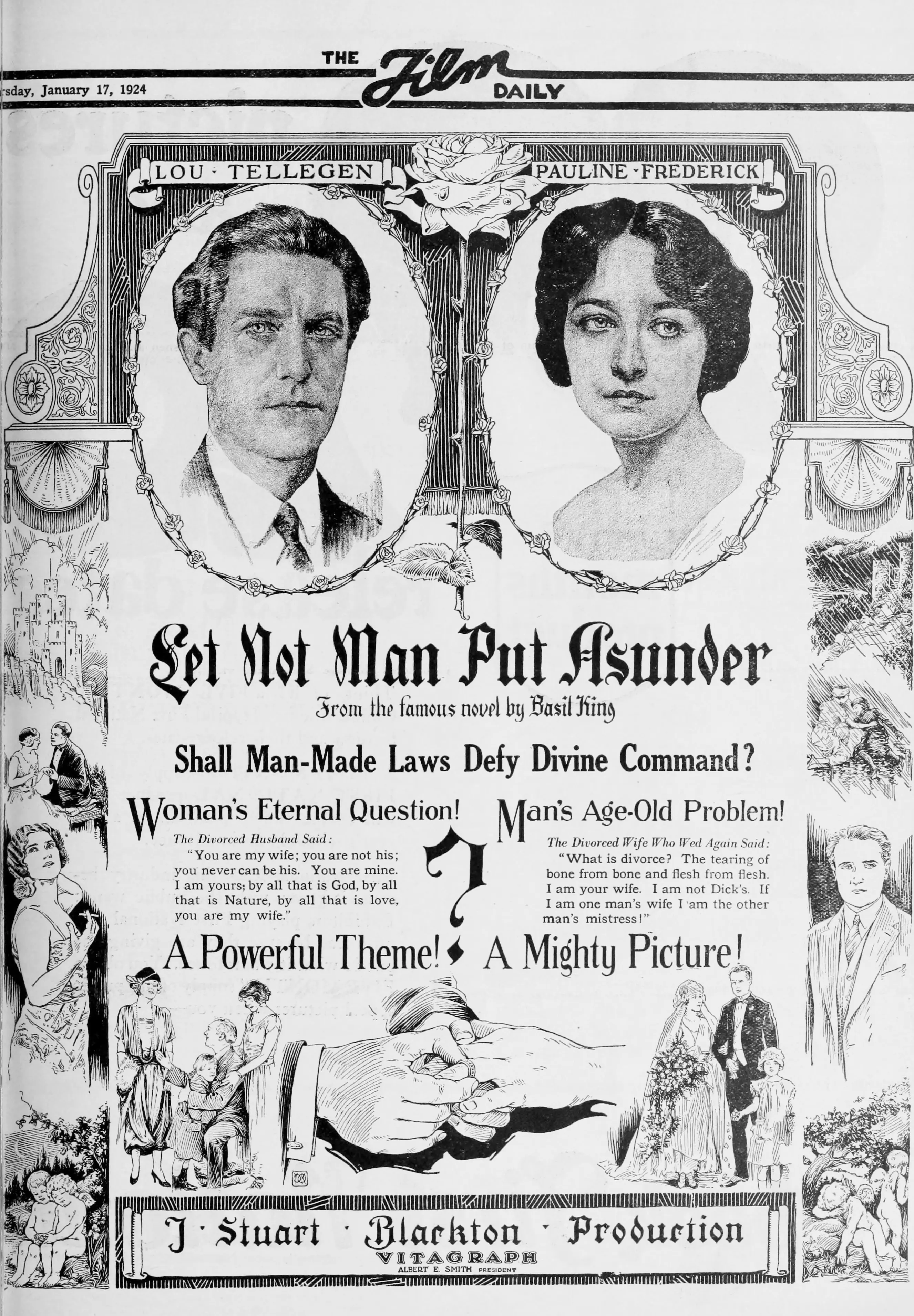
Director's Spotlight: United States
A Deep Dive into the 1924 Vision of J. Stuart Blackton
The evocative power of Let Not Man Put Asunder stems from the unique collaboration between the bold experimentation that has become synonymous with J. Stuart Blackton. Framed by the hauntingly beautiful landscapes of the production, it echoes the profound changes occurring in United States during that era.
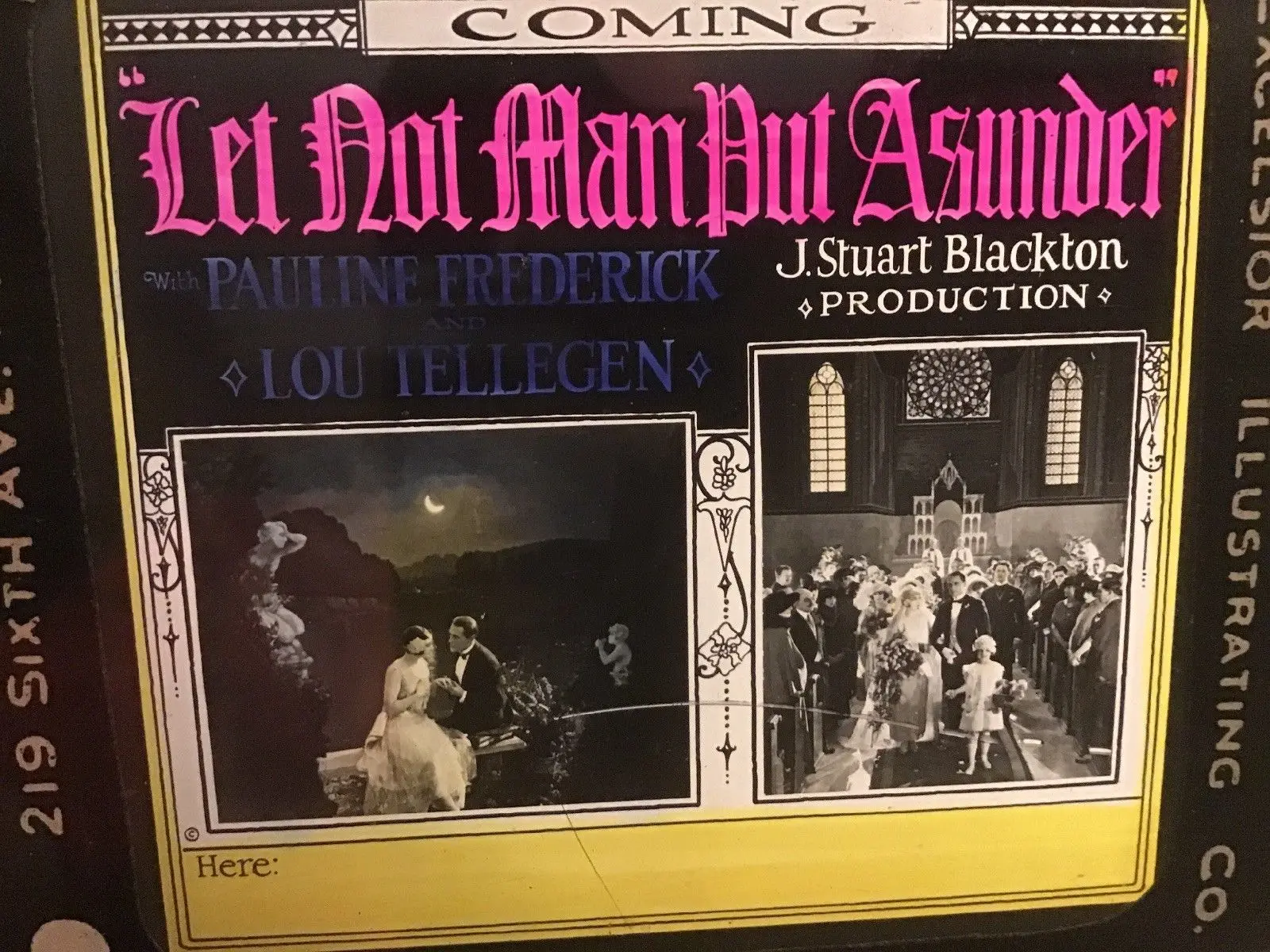
In Let Not Man Put Asunder, J. Stuart Blackton pushes the boundaries of conventional narrative. The film's unique approach to its subject matter has sparked endless debates and interpretations among cinephiles and critics alike.
| Cinematography | High-Contrast |
| Soundtrack | Diegetic |
| Editing | Elliptical |
| Art Direction | Expressionist |
Visualizing the convergence of J. Stuart Blackton's style and the core Drama narrative.
Petrina Faneuil (Pauline Frederick), a wealthy but lonely girl, marries a man of equal social status, Harry Vassall (Leslie Austen). Their friends Dick Lechmere (Lou Tellegen) and Felicia De Proney (Helena D'Algy) also marry, and thus begin a series of trials within the marriages and external social pressures that eventually cause both couples to divorce. After more misfortune and misery, Petrina and Harry are reunited; but Felicia dies, and Lechmere kills himself out of grief.
Decades after its release, Let Not Man Put Asunder remains a vital piece of the cinematic puzzle. Its influence can be seen in countless modern works, solidifying J. Stuart Blackton's status as a master of the craft in United States and beyond.