
DbcultAccessing Vault...
Director's Spotlight
Senior Film Conservator
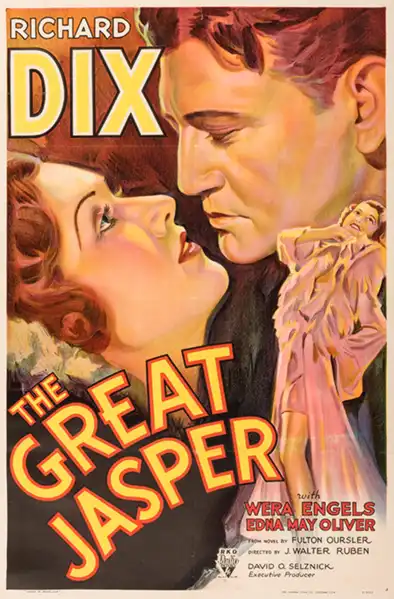
Director's Spotlight: United States
A Deep Dive into the 1933 Vision of J. Walter Ruben
Analyzing The Great Jasper (1933) requires a deep dive into the unique directorial voice that J. Walter Ruben brought to the screen. By challenging the status quo of 1933 cinema, it continues to spark endless debates among critics and cinephiles alike.
In The Great Jasper, J. Walter Ruben pushes the boundaries of conventional narrative. The film's unique approach to its subject matter has sparked endless debates and interpretations among cinephiles and critics alike.
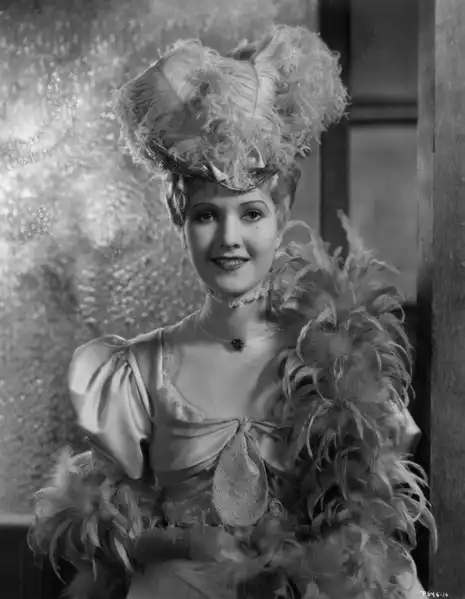
To fully appreciate The Great Jasper, one must consider the cinematic climate of 1933. During this period, United States was undergoing significant artistic shifts, and J. Walter Ruben was at the forefront of this Drama movement, often challenging established norms.
| Cinematography | Handheld |
| Soundtrack | Experimental |
| Editing | Elliptical |
| Art Direction | Expressionist |
Visualizing the convergence of J. Walter Ruben's style and the core Drama narrative.
Early in the century, high-spirited Irishman, Jasper Horn, drives a horse-drawn New York streetcar. But the electric era is beginning, so what's wrong with celebrating by having a drink while he's driving the tram? If it's only beer? Jasper and his wife, the teetotal daughter of a preacher, have a baby boy. His employer's beautiful wife finds herself attracted to the smartly-dressed son of Erin. A decade passes. The boss learns of the paternity of his son and fires Jasper. He leaves his wife and goes to Atlantic City where he finds success as a fez-wearing boardwalk fortune teller, the Great Jasper. Fifteen years pass. One of Jasper's sons has inherited his father's wicked ways...
Decades after its release, The Great Jasper remains a vital piece of the cinematic puzzle. Its influence can be seen in countless modern works, solidifying J. Walter Ruben's status as a master of the craft in United States and beyond.