
DbcultAccessing Vault...
Director's Spotlight
Senior Film Conservator
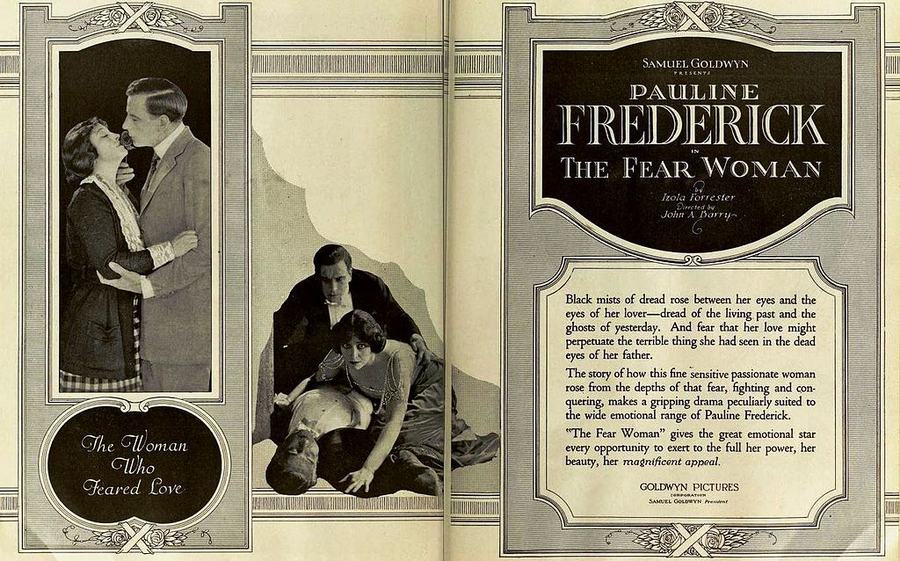
Director's Spotlight: United States
A Deep Dive into the 1919 Vision of J.A. Barry
In the storied career of J.A. Barry, The Fear Woman stands as a the atmospheric immersion that J.A. Barry achieves throughout The Fear Woman. Reflecting the political and social shifts of the 1919s, it reinforces the idea that cinema is a medium of infinite possibilities.
In The Fear Woman, J.A. Barry pushes the boundaries of conventional narrative. The film's unique approach to its subject matter has sparked endless debates and interpretations among cinephiles and critics alike.
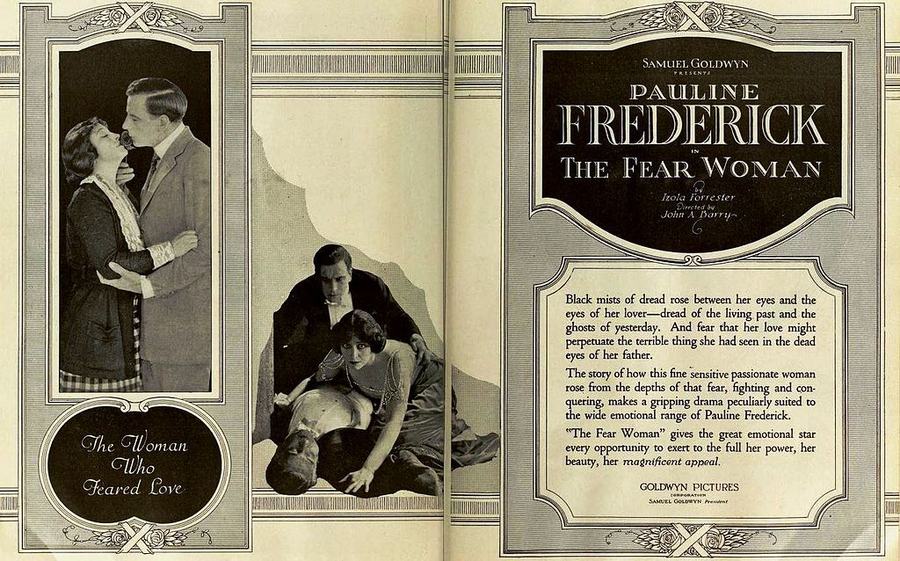
To fully appreciate The Fear Woman, one must consider the cinematic climate of 1919. During this period, United States was undergoing significant artistic shifts, and J.A. Barry was at the forefront of this cult movement, often challenging established norms.
| Cinematography | High-Contrast |
| Soundtrack | Synth-Heavy |
| Editing | Rhythmic |
| Art Direction | Naturalist |
Visualizing the convergence of J.A. Barry's style and the core cult narrative.
When her drunken father dies from falling downstairs on the night of her engagement announcement, Helen Winthrop finds a note from him warning that drinking has ruined the family's past four generations. She breaks her engagement to lawyer Robert Craig so that she can test herself as she fears that her children might inherit the habit. After sacrificing her reputation to save that of her adulterous married friend Stella Scarr, Helen goes to a resort hotel where she wins a tennis tournament and flirts with Percy Farwell, the son of social climber Mrs. Honorah Farwell. In order to break up her son's romance with a supposedly disgraced woman, Mrs. Farwell hires Robert Craig. During a party, Percy announces their engagement, and Helen acts intoxicated to test Robert's feelings for her. When Mrs. Farwell convinces Stella's husband Sidney to accuse Helen of wrongdoing, Robert fights him. Helen then accepts Robert's love and admits she was only drinking ginger ale.
Decades after its release, The Fear Woman remains a vital piece of the cinematic puzzle. Its influence can be seen in countless modern works, solidifying J.A. Barry's status as a master of the craft in United States and beyond.