
DbcultAccessing Vault...
Director's Spotlight
Senior Film Conservator
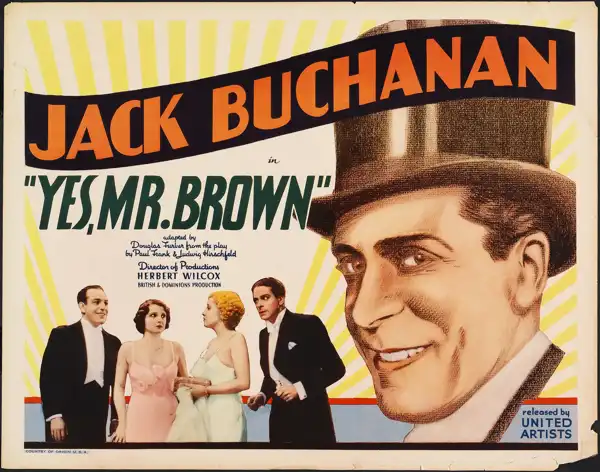
Director's Spotlight: United Kingdom
A Deep Dive into the 1933 Vision of Jack Buchanan
Analyzing Yes, Mr. Brown (1933) requires a deep dive into the defining moment in Comedy history that Jack Buchanan helped create. Defining a new era of United Kingdom artistic expression, it transcends regional boundaries to tell a universal story.
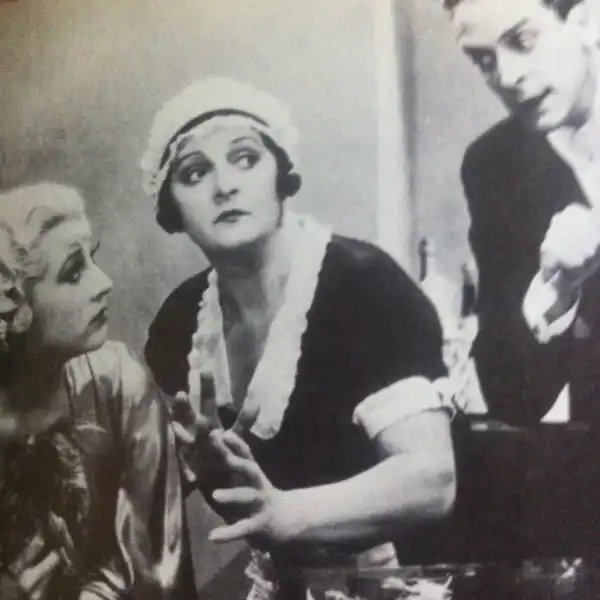
In Yes, Mr. Brown, Jack Buchanan pushes the boundaries of conventional narrative. The film's unique approach to its subject matter has sparked endless debates and interpretations among cinephiles and critics alike.
| Cinematography | Handheld |
| Soundtrack | Diegetic |
| Editing | Elliptical |
| Art Direction | Expressionist |
Visualizing the convergence of Jack Buchanan's style and the core Comedy narrative.
Nicholas Baumann is the manager of a Viennese toy-shop that is owned by a Mr. Brown of America. Mr. Brown comes to Vienna to inspect the toy-shop, and Nicholas invites him home to dinner, hoping that Brown will make him a partner in the business. The night of the dinner party, Nicholas' wife Clary becomes so upset with Nicholas' treatment of the family dog that she goes home to her mother. Nicholas explains the situation to his loyal secretary, Anne Weber, and convinces her to impersonate his wife for the evening. Mr. Brown immediately falls in love with Anne, though he can say nothing because he thinks she is Nicholas' wife. Clary comes home during the dinner and, realizing what is happening, pretends to be Anne. The group goes to a nightclub, where the wine gets the best of Mr. Brown. In the end, Nicholas reveals the truth, and gets both the partnership and his wife back. Anne, not to be left out, becomes Mrs. Brown.
Decades after its release, Yes, Mr. Brown remains a vital piece of the cinematic puzzle. Its influence can be seen in countless modern works, solidifying Jack Buchanan's status as a master of the craft in United Kingdom and beyond.