
DbcultAccessing Vault...
Director's Spotlight
Senior Film Conservator
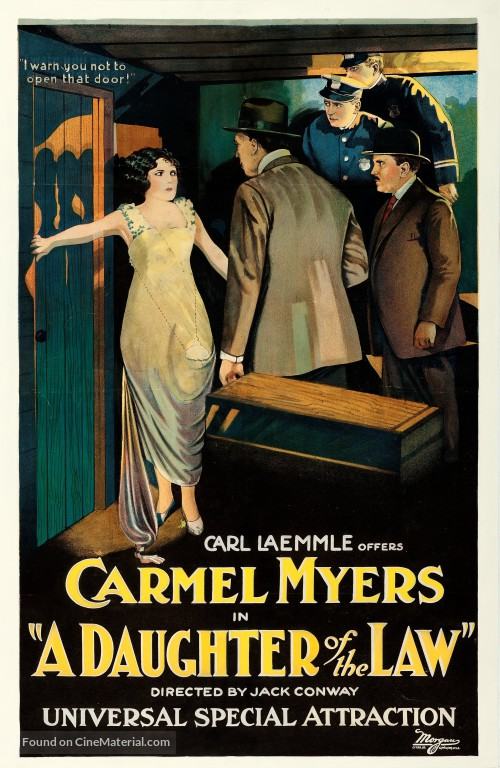
Director's Spotlight: United States
A Deep Dive into the 1921 Vision of Jack Conway
The artistic breakthrough represented by A Daughter of the Law in 1921 highlights the uncompromising vision of Jack Conway that defines this Drama masterpiece. In the context of United States's rich cinematic history, it captures a specific kind of cinematic magic that is rarely replicated.
In A Daughter of the Law, Jack Conway pushes the boundaries of conventional narrative. The film's unique approach to its subject matter has sparked endless debates and interpretations among cinephiles and critics alike.
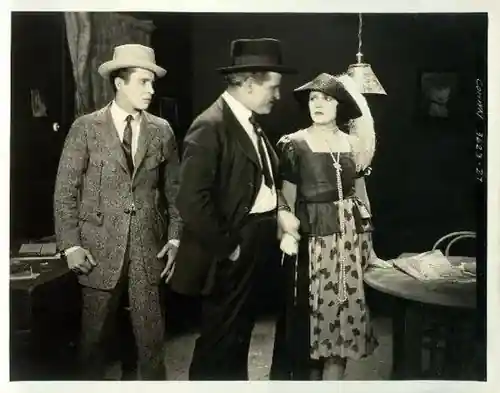
To fully appreciate A Daughter of the Law, one must consider the cinematic climate of 1921. During this period, United States was undergoing significant artistic shifts, and Jack Conway was at the forefront of this Drama movement, often challenging established norms.
| Cinematography | Deep Focus |
| Soundtrack | Minimalist |
| Editing | Disjunctive |
| Art Direction | Baroque |
Visualizing the convergence of Jack Conway's style and the core Drama narrative.
Eddie, the son of a police officer, gets involved with a criminal gang. His sister Nora finds him and tries to convince him to leave the gang, but he refuses, and his father will have nothing to do with him. Jim, Nora's boyfriend, discovers that the gang is planning to rob a house and he tips off the police. Things go horribly wrong, however, and the gang's members wind up kidnapping Nora and threatening to kill her unless her father helps free the rest of the gang from prison.
Decades after its release, A Daughter of the Law remains a vital piece of the cinematic puzzle. Its influence can be seen in countless modern works, solidifying Jack Conway's status as a master of the craft in United States and beyond.