
DbcultAccessing Vault...
Director's Spotlight
Senior Film Conservator
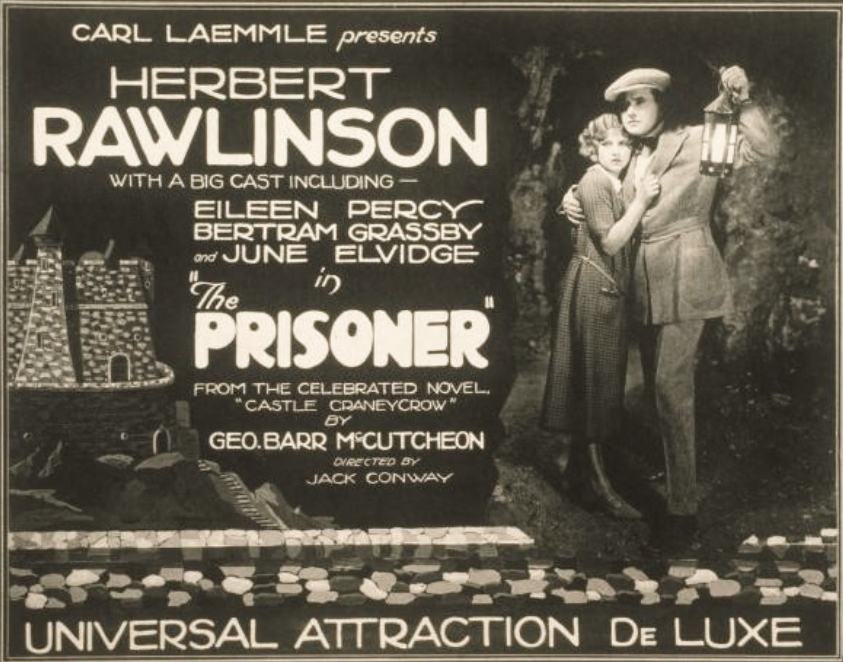
Director's Spotlight: United States
A Deep Dive into the 1923 Vision of Jack Conway
Deciphering the layers of The Prisoner (1923) reveals a monumental shift in Drama filmmaking spearheaded by Jack Conway. With its avant-garde structure and atmospheric tension, offering layers of thematic complexity that demand repeated viewing.
In The Prisoner, Jack Conway pushes the boundaries of conventional narrative. The film's unique approach to its subject matter has sparked endless debates and interpretations among cinephiles and critics alike.
While deeply rooted in United States, The Prisoner has achieved a global reach, influencing directors from various backgrounds. Its ability to translate Drama tropes into a universal cinematic language is why it remains a cult staple decades after its 1923 release.
| Cinematography | Deep Focus |
| Soundtrack | Synth-Heavy |
| Editing | Rhythmic |
| Art Direction | Naturalist |
Visualizing the convergence of Jack Conway's style and the core Drama narrative.
While traveling in Europe Philip Quentin encounters his former sweetheart, Dorothy Garrison, and finds that she is now engaged to Prince Ugo Ravorelli, whom Philip recognizes as the man wanted for a murder in Brazil. Philip avoids being trapped by Prince Ugo into a fatal duel, then kidnaps Dorothy at her wedding. She is at first adamant, but after Philip saves her from Courant, the prince's henchman, Dorothy realizes she loves Philip.
Decades after its release, The Prisoner remains a vital piece of the cinematic puzzle. Its influence can be seen in countless modern works, solidifying Jack Conway's status as a master of the craft in United States and beyond.