
DbcultAccessing Vault...
Director's Spotlight
Senior Film Conservator
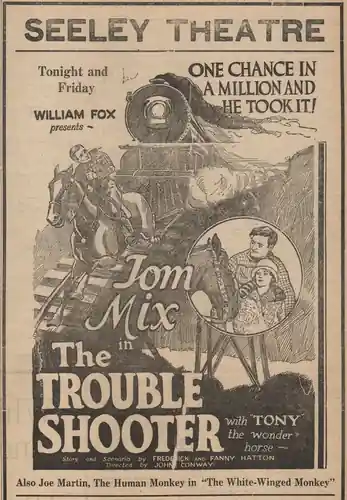
Director's Spotlight: United States
A Deep Dive into the 1924 Vision of Jack Conway
The enduring fascination with The Trouble Shooter is a testament to the artistic risks taken by Jack Conway that eventually paid off. Challenging the viewer to find meaning in the Drama shadows, it reminds us of the fragility and beauty of the 1924s.
In The Trouble Shooter, Jack Conway pushes the boundaries of conventional narrative. The film's unique approach to its subject matter has sparked endless debates and interpretations among cinephiles and critics alike.
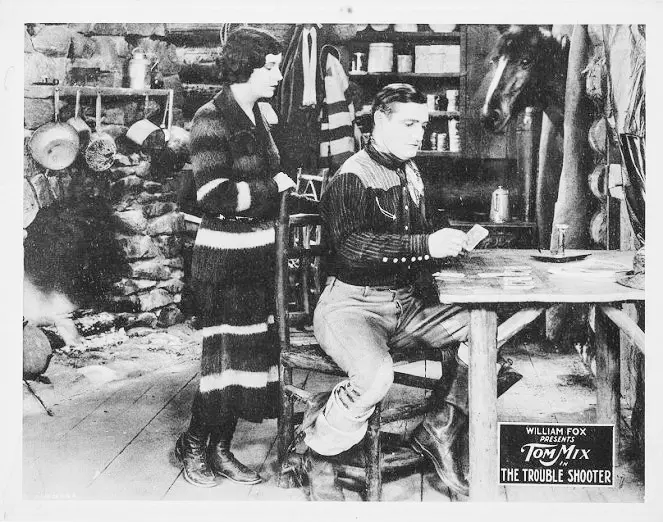
The visual language of The Trouble Shooter is defined by its use of shadows and framing, a hallmark of Jack Conway's style. By utilizing a 1924-era palette, the film creates an immersive experience that perfectly complements its Drama themes.
| Cinematography | Deep Focus |
| Soundtrack | Synth-Heavy |
| Editing | Disjunctive |
| Art Direction | Baroque |
Visualizing the convergence of Jack Conway's style and the core Drama narrative.
Tom Steele, lineman for a power company, meets Nancy Brewster, daughter of a rival capitalist. Both companies want rights to a strip of land, the ownership of which is to be claimed by the first to stake it off. Against tremendous odds, and with help of Nancy, whom he rescues from a storm in the mountains, Tom beats Brewster and wins his daughter.
Decades after its release, The Trouble Shooter remains a vital piece of the cinematic puzzle. Its influence can be seen in countless modern works, solidifying Jack Conway's status as a master of the craft in United States and beyond.