
DbcultAccessing Vault...
Director's Spotlight
Senior Film Conservator
Director's Spotlight: United States
A Deep Dive into the 1930 Vision of Jack Conway
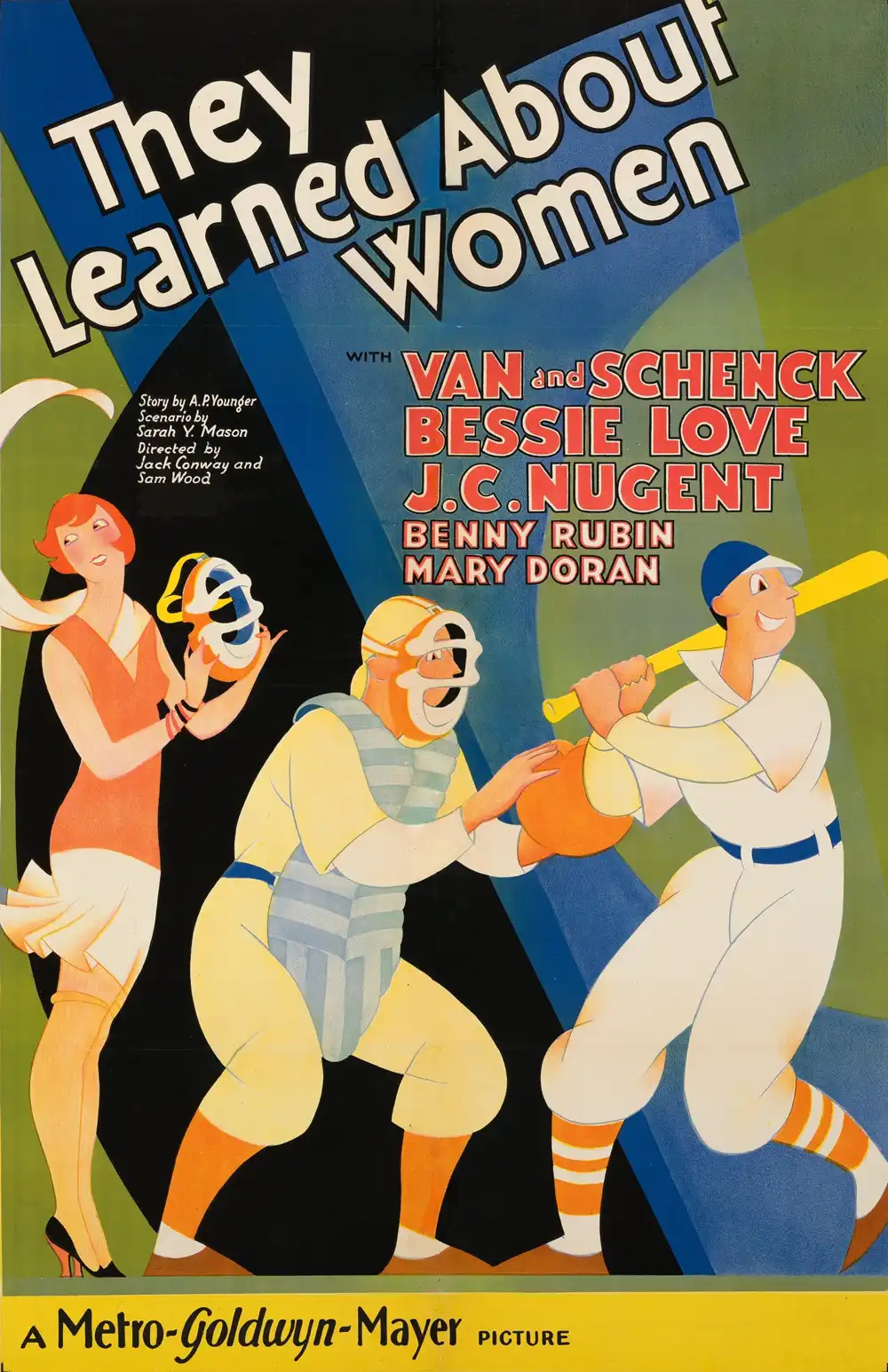
The 1930 release of They Learned About Women marked a significant moment for the stylistic boundaries pushed by Jack Conway during the production. In the context of United States's rich cinematic history, it invites us to question our own perceptions of Musical narratives.
In They Learned About Women, Jack Conway pushes the boundaries of conventional narrative. The film's unique approach to its subject matter has sparked endless debates and interpretations among cinephiles and critics alike.
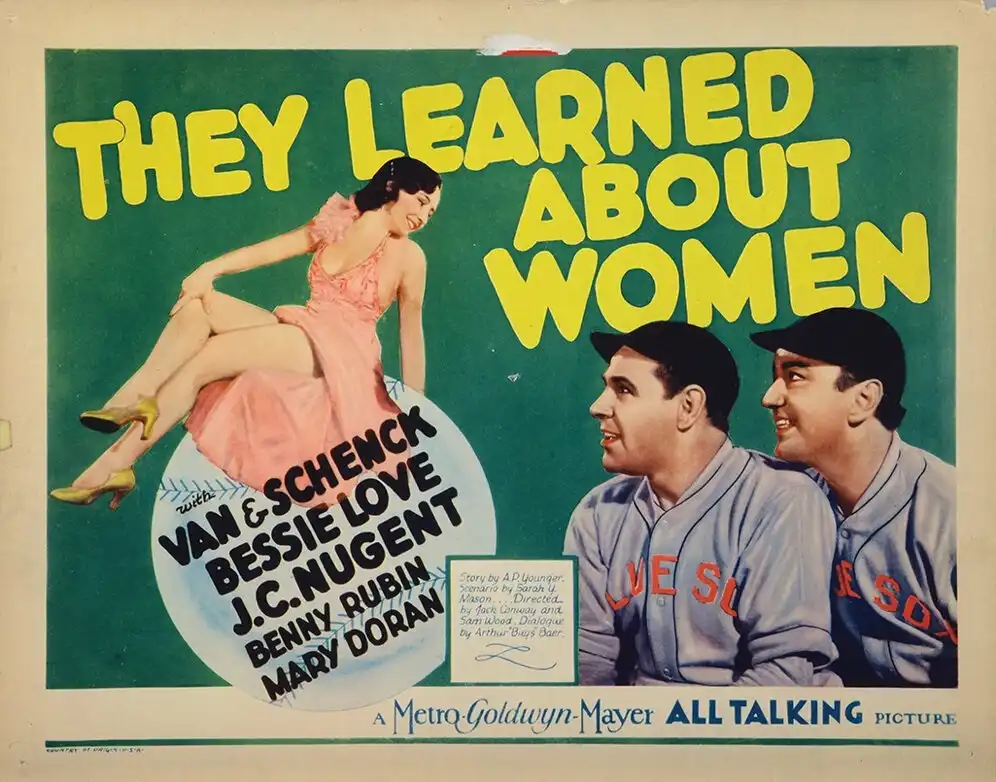
To fully appreciate They Learned About Women, one must consider the cinematic climate of 1930. During this period, United States was undergoing significant artistic shifts, and Jack Conway was at the forefront of this Musical movement, often challenging established norms.
| Cinematography | Noir-Inspired |
| Soundtrack | Orchestral |
| Editing | Invisible |
| Art Direction | Kitsch |
Visualizing the convergence of Jack Conway's style and the core Musical narrative.
When Jack and Jerry are not playing professional baseball with the Blue Sox, they are packing them in on the Vaudeville circuit. Jack is engaged to Mary, but a gold digger named Daisy has worked her way into his confidence. When Mary sees Jack and Daisy together, she leaves Jack and Jack marries Daisy the next day. When Daisy decides that she wants into the Vaudeville act, she has Jack dump both Jerry and his baseball contract. But Jack soon finds that - no act - means no money - means no Daisy.
Decades after its release, They Learned About Women remains a vital piece of the cinematic puzzle. Its influence can be seen in countless modern works, solidifying Jack Conway's status as a master of the craft in United States and beyond.