
DbcultAccessing Vault...
Director's Spotlight
Senior Film Conservator
Director's Spotlight: United States
A Deep Dive into the 1921 Vision of Jack Nelson
Deciphering the layers of Chickens (1921) reveals the complex thematic architecture established by Jack Nelson. Utilizing a 1921-specific aesthetic that remains timeless, it stands as the definitive 1921 statement on Comedy identity.
In Chickens, Jack Nelson pushes the boundaries of conventional narrative. The film's unique approach to its subject matter has sparked endless debates and interpretations among cinephiles and critics alike.
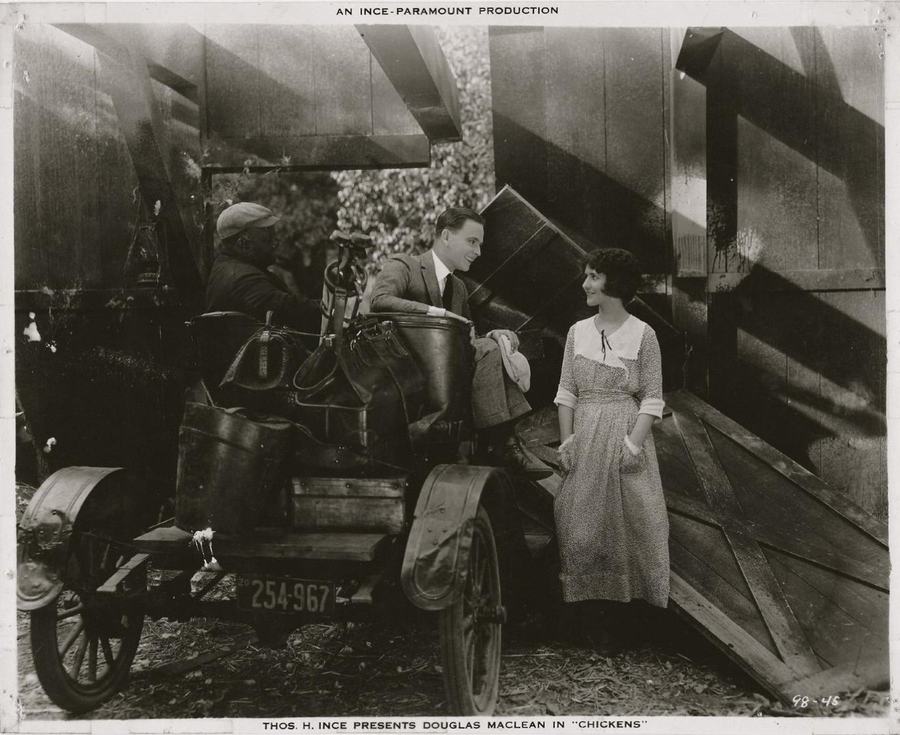
The visual language of Chickens is defined by its use of shadows and framing, a hallmark of Jack Nelson's style. By utilizing a 1921-era palette, the film creates an immersive experience that perfectly complements its Comedy themes.
| Cinematography | Noir-Inspired |
| Soundtrack | Orchestral |
| Editing | Invisible |
| Art Direction | Kitsch |
Visualizing the convergence of Jack Nelson's style and the core Comedy narrative.
According to a provision in his uncle's will, society man Deems Stanwood is obliged to live in the country. There he decides to raise chickens on a farm adjoining that of Julia Stoneman. When the trustees mismanage his investments and lose the fortune, Deems fails to make the farm pay and is forced to mortgage it to Willie Figg, his young rival for Julia. By chance she discovers the loss of Deems's fortune and takes over the mortgage from Willie, who is about to foreclose. Finding the release papers in his pocket, Deems realizes that she loves him, and she accepts his marriage proposal.
Decades after its release, Chickens remains a vital piece of the cinematic puzzle. Its influence can be seen in countless modern works, solidifying Jack Nelson's status as a master of the craft in United States and beyond.