
DbcultAccessing Vault...
Director's Spotlight
Senior Film Conservator
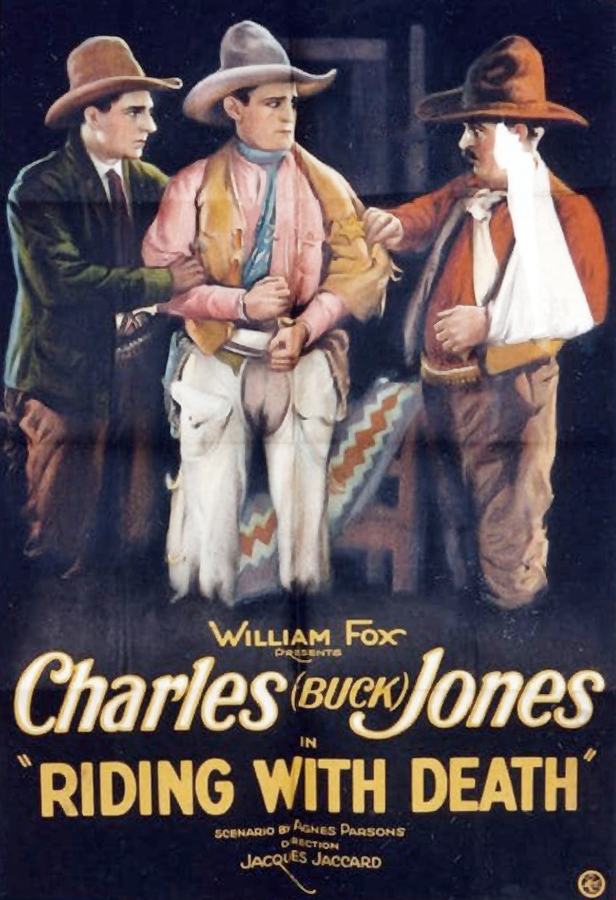
Director's Spotlight: United States
A Deep Dive into the 1921 Vision of Jacques Jaccard
The enduring fascination with Riding with Death is a testament to the artistic risks taken by Jacques Jaccard that eventually paid off. Challenging the viewer to find meaning in the Western shadows, it reminds us of the fragility and beauty of the 1921s.
In Riding with Death, Jacques Jaccard pushes the boundaries of conventional narrative. The film's unique approach to its subject matter has sparked endless debates and interpretations among cinephiles and critics alike.
To fully appreciate Riding with Death, one must consider the cinematic climate of 1921. During this period, United States was undergoing significant artistic shifts, and Jacques Jaccard was at the forefront of this Western movement, often challenging established norms.
| Cinematography | High-Contrast |
| Soundtrack | Orchestral |
| Editing | Invisible |
| Art Direction | Kitsch |
Visualizing the convergence of Jacques Jaccard's style and the core Western narrative.
Dynamite Steve Dorsey of the Texas Rangers finds his pal Val Nelson murdered by a member of Sheriff Pat Garrity's gang and vows vengeance. At the ranch of Col. Lee Calhoun, Steve relates the news to Anita, his sweetheart. Garrity, who covets Anita and has plotted to steal the colonel's payment of the mortgage on his ranch, arrives to foreclose but finds Steve there. Steve is captured by Garrity's men and jailed, but he manages to notify the Rangers, and Captain Hughes arrives at the town just in time to rout Garrity's gunmen and prevent Steve's death. Steve obtains evidence on which to convict the sheriff of Val's murder, and following the showdown Anita admits her love for Steve.
Decades after its release, Riding with Death remains a vital piece of the cinematic puzzle. Its influence can be seen in countless modern works, solidifying Jacques Jaccard's status as a master of the craft in United States and beyond.