
DbcultAccessing Vault...
Director's Spotlight
Senior Film Conservator
Director's Spotlight: United States
A Deep Dive into the 1930 Vision of Jacques Jaccard
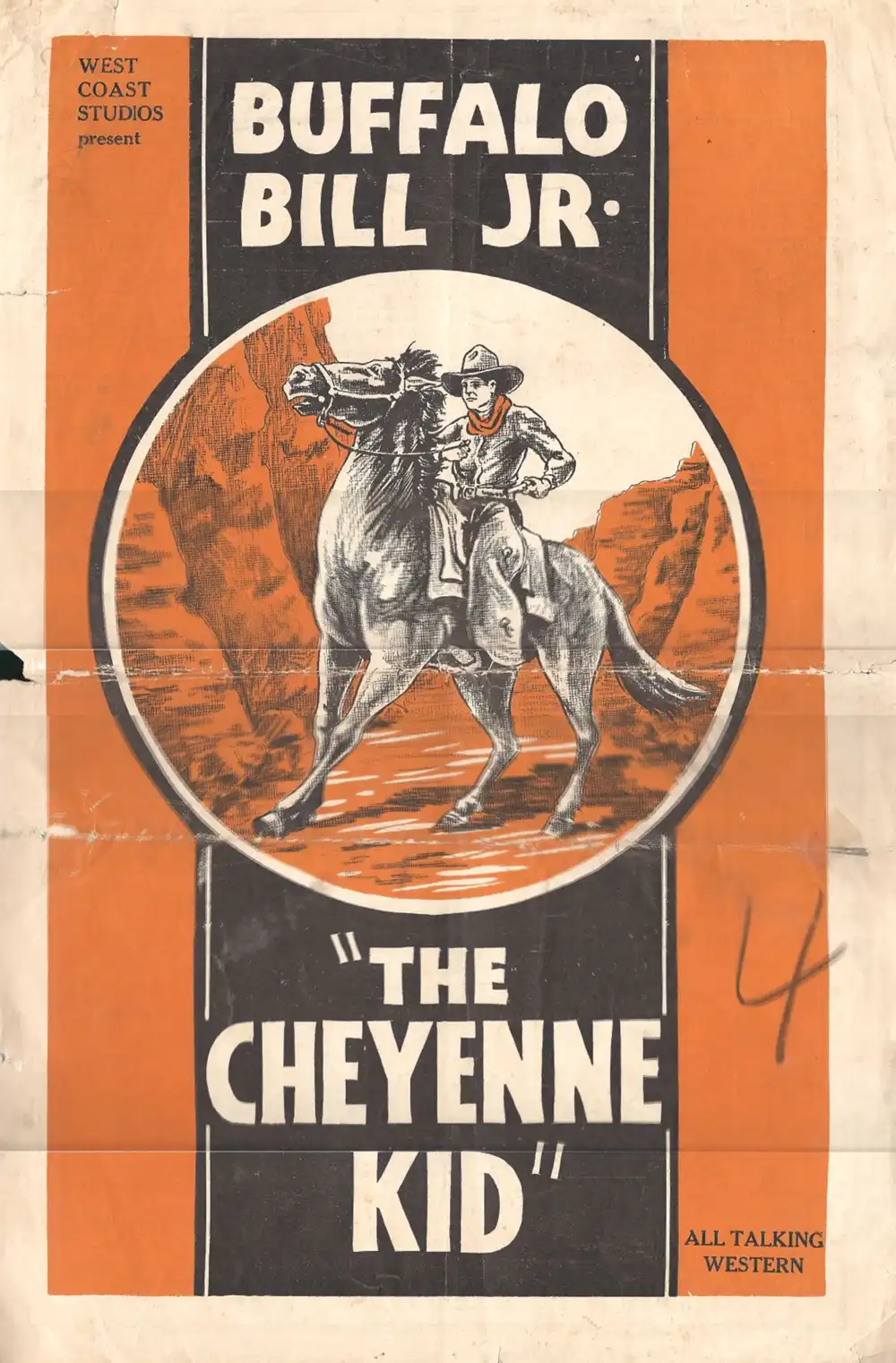
The brilliance of The Cheyenne Kid (1930) is inseparable from a monumental shift in Western filmmaking spearheaded by Jacques Jaccard. Occupying a unique space between Western and pure art, it serves as a blueprint for future generations of Western directors.
In The Cheyenne Kid, Jacques Jaccard pushes the boundaries of conventional narrative. The film's unique approach to its subject matter has sparked endless debates and interpretations among cinephiles and critics alike.
While deeply rooted in United States, The Cheyenne Kid has achieved a global reach, influencing directors from various backgrounds. Its ability to translate Western tropes into a universal cinematic language is why it remains a cult staple decades after its 1930 release.
| Cinematography | High-Contrast |
| Soundtrack | Experimental |
| Editing | Elliptical |
| Art Direction | Expressionist |
Visualizing the convergence of Jacques Jaccard's style and the core Western narrative.
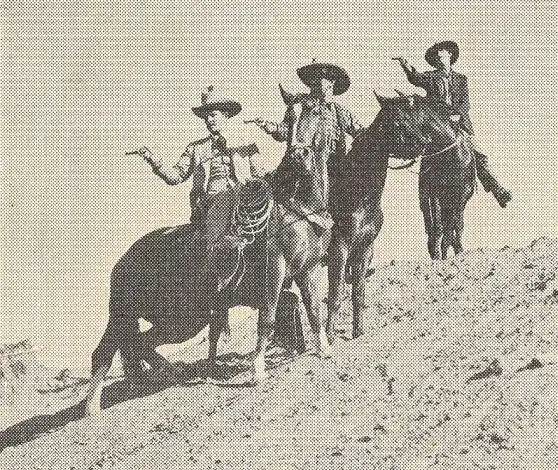
Buck Allen, The Cheyenne Kid, has been accused of holding up the payroll car of the Cody Dam Construction Company, and is being pursued by U.S. Marshal Utah Kane and Sheriff Hank Bates but they lose him. Buck proceeds to the home of Betty Thorpe where he meets Duke Porter who is posing as his friend and who advised him that by running away from the law, he can keep out of jail and force the guilty party to confess. Hiding in the barn, he hears a conversation between Gorman and Madge and he leaps to the floor as Gorman runs out. Gorman shoots at him but hits Madge instead. The Marshal and Sheriff ride up and Buck, knowing that Madge needs medical attention, gives himself up and is jailed. Marshal Kane believes that Buck is innocent and is on the hunt for the guilty party but allows the sheriff to believe that Buck is guilty. Kane has the sheriff bring Gorman to the jail and tells Buck and Gorman of an old Indian legend that when two people are given one weapon between them, the survivor will be the innocent party. He throws a bull-whip between them and says that is the weapon.
Decades after its release, The Cheyenne Kid remains a vital piece of the cinematic puzzle. Its influence can be seen in countless modern works, solidifying Jacques Jaccard's status as a master of the craft in United States and beyond.