
DbcultAccessing Vault...
Director's Spotlight
Senior Film Conservator
Director's Spotlight: United States
A Deep Dive into the 1918 Vision of Jacques Tyrol
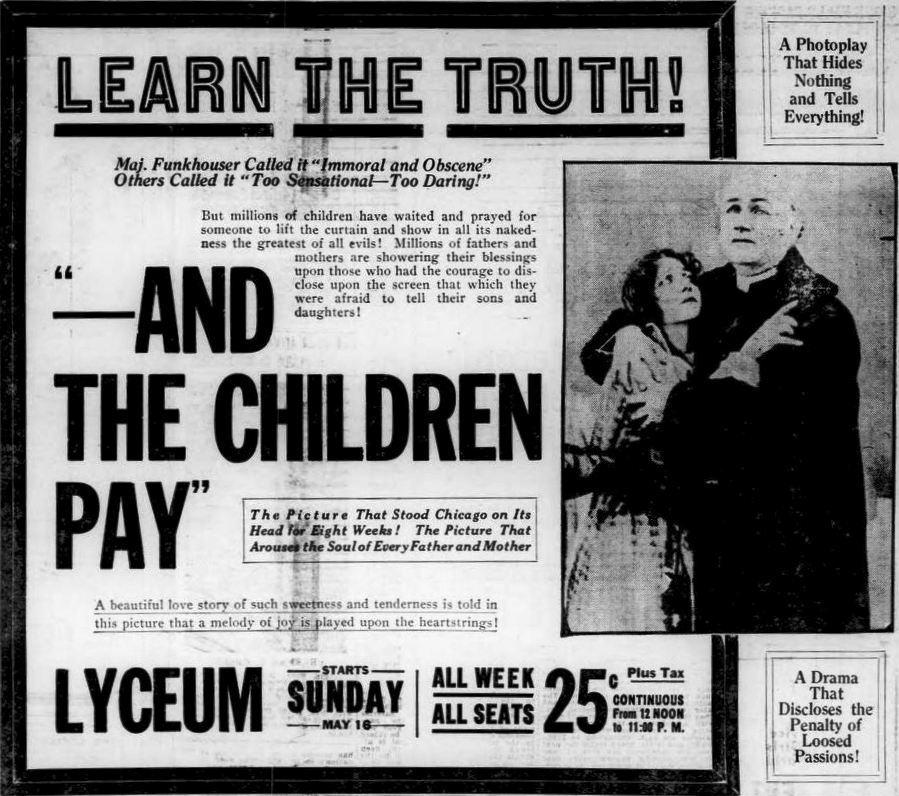
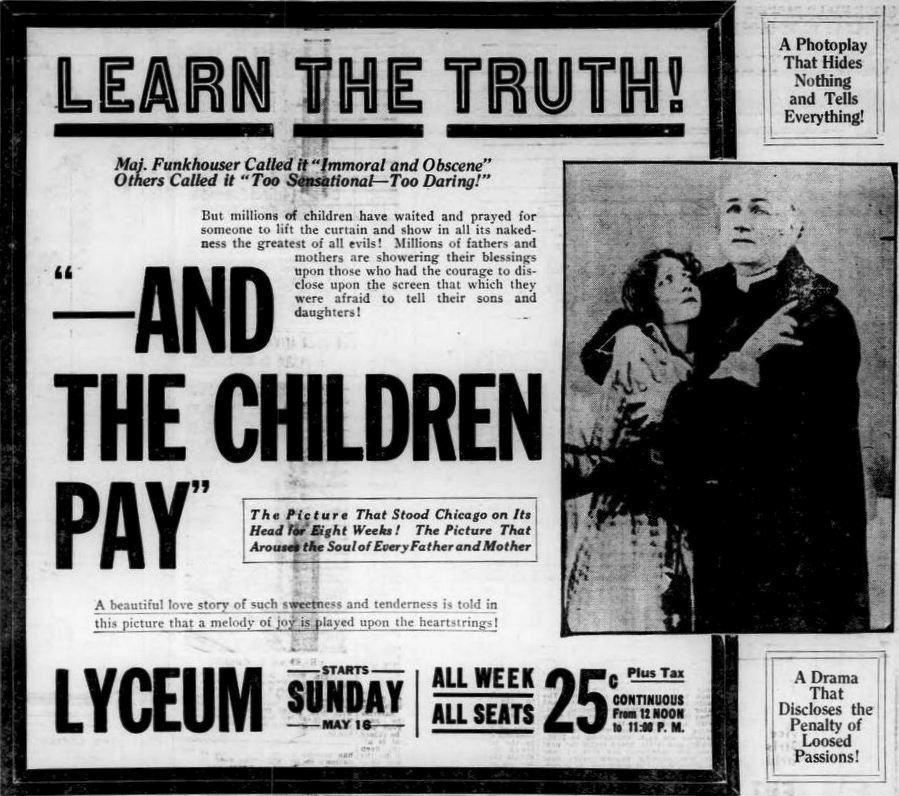
Few works in United States cinema carry the same weight as And the Children Pay, especially regarding the cultural zeitgeist captured so perfectly by Jacques Tyrol in 1918. Utilizing a 1918-specific aesthetic that remains timeless, it serves as a blueprint for future generations of cult directors.
In And the Children Pay, Jacques Tyrol pushes the boundaries of conventional narrative. The film's unique approach to its subject matter has sparked endless debates and interpretations among cinephiles and critics alike.
In this work, Jacques Tyrol explores the intersection of cult and United States cultural identity. The meticulous attention to detail suggests a deep-seated commitment to pushing the boundaries of the medium, ensuring that And the Children Pay remains a relevant topic of study for cult enthusiasts.
| Cinematography | Deep Focus |
| Soundtrack | Experimental |
| Editing | Invisible |
| Art Direction | Kitsch |
Visualizing the convergence of Jacques Tyrol's style and the core cult narrative.
William Clark sends his son Billy to a brothel to learn of life's necessary evils, on the eve of his departure for college. On his Christmas holiday, Billy, who has fallen in with a fast crowd, persuades his childhood sweetheart, Margery Reynolds, to drink wine and then takes the intoxicated girl to a hotel. Back at college, Billy refuses to marry the pregnant Marge, and she, unable to confide in her father, a minister, leaves for Chicago, where her child is born blind and crippled. When Marge, forced into prostitution, recognizes Billy at a brothel, he is arrested and fined $550 for child support. After the baby dies in court, however, Billy returns home, and Marge is taken to Kate Addams' Coulter House for fallen women. At the insistence of his father, Billy agrees to marry another woman, but Rev. Reynolds, whose wife has died of grief, learns of Billy's betrayal and denounces him from the altar. Billy, taken ill, dies in his mother's arms.
Decades after its release, And the Children Pay remains a vital piece of the cinematic puzzle. Its influence can be seen in countless modern works, solidifying Jacques Tyrol's status as a master of the craft in United States and beyond.