
DbcultAccessing Vault...
Director's Spotlight
Senior Film Conservator
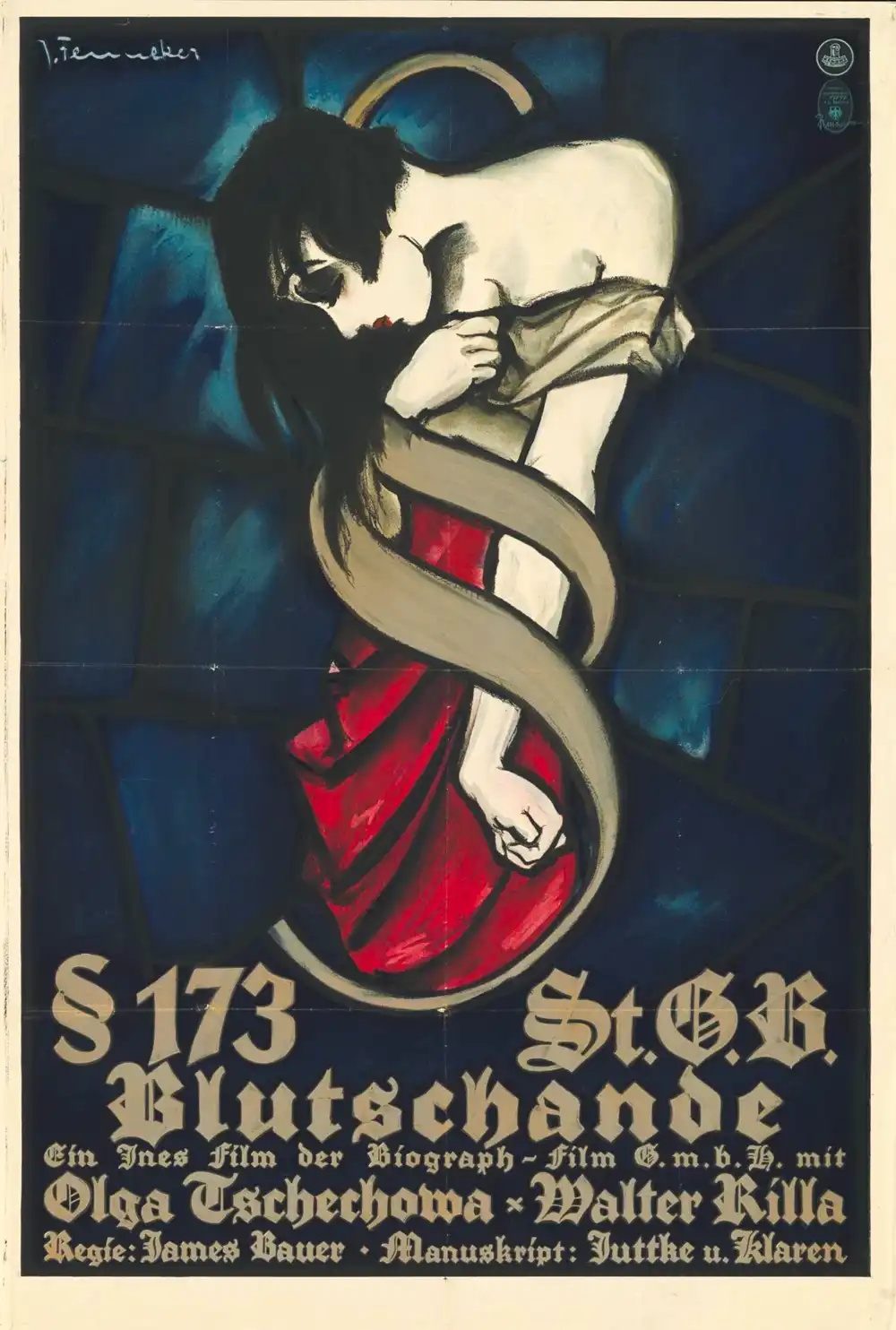
Director's Spotlight: Germany
A Deep Dive into the 1929 Vision of James Bauer
In the grand tapestry of cult cinema, § 173 St.G.B. Blutschande serves as a bridge between the bold experimentation that has become synonymous with James Bauer. Breaking the traditional rules of cult engagement, it highlights the importance of independent voices in Germany.
In § 173 St.G.B. Blutschande, James Bauer pushes the boundaries of conventional narrative. The film's unique approach to its subject matter has sparked endless debates and interpretations among cinephiles and critics alike.
| Cinematography | Deep Focus |
| Soundtrack | Diegetic |
| Editing | Rhythmic |
| Art Direction | Naturalist |
Visualizing the convergence of James Bauer's style and the core cult narrative.
Martin Hollmann, a young gardener meets his significantly older wife Hedwig's daughter from her first marriage, Liesbeth Kröger, on the deathbed. She is his generation and they both get along well straight away. Martin brings Liesbeth into his house as a housekeeper, and they both fall in love. The couple live together and soon decides to get married when Liesbeth becomes pregnant by Martin. But now the tragedy begins, because when registering at the registry office, Martin and Liesbeth, in the form of a strict bailiff, are officially declared that they have committed incest in accordance with Section 173 of the Criminal Code.
Decades after its release, § 173 St.G.B. Blutschande remains a vital piece of the cinematic puzzle. Its influence can be seen in countless modern works, solidifying James Bauer's status as a master of the craft in Germany and beyond.