
DbcultAccessing Vault...
Director's Spotlight
Senior Film Conservator
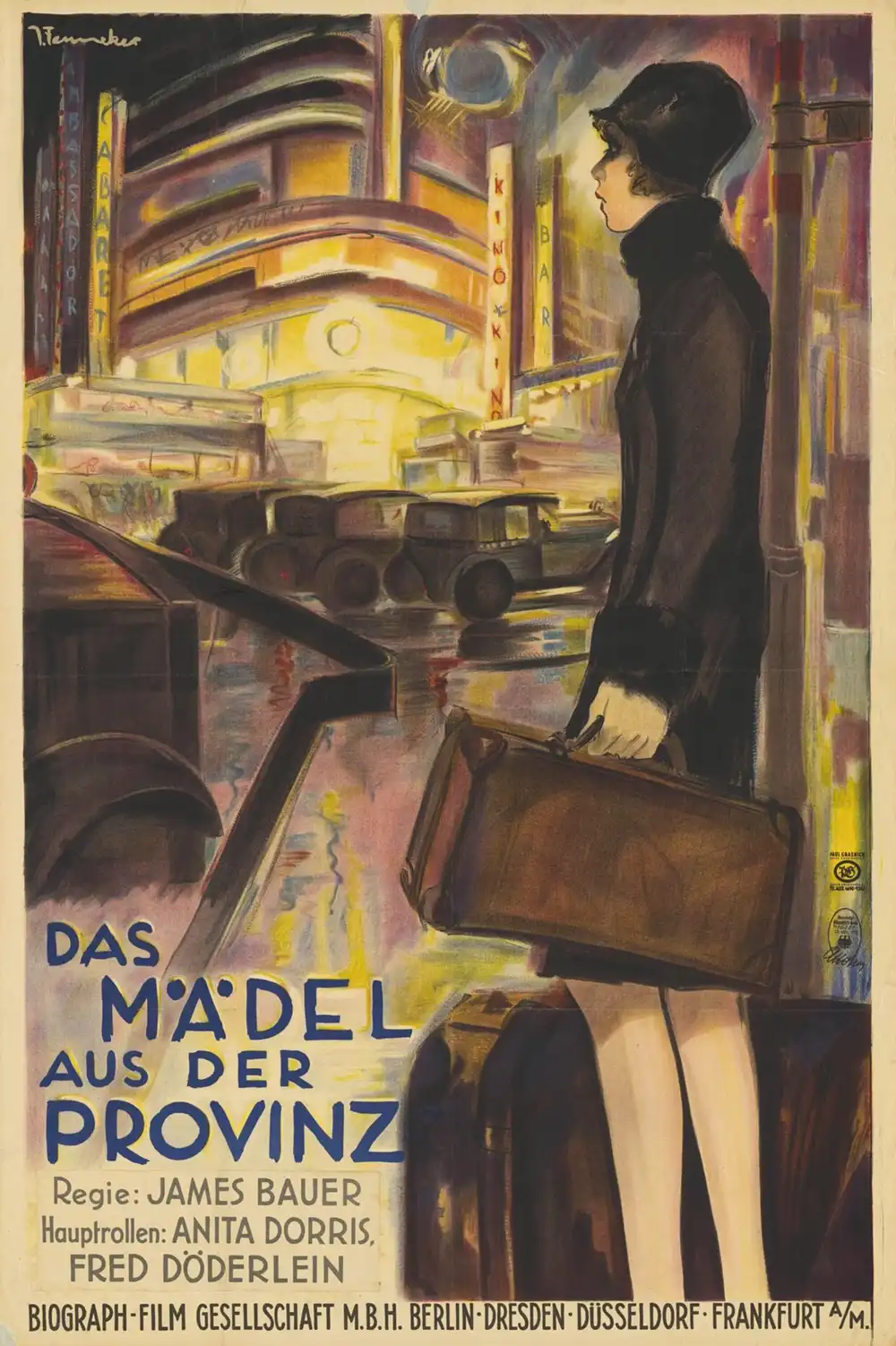
Director's Spotlight: Germany
A Deep Dive into the 1929 Vision of James Bauer
Peeling back the layers of James Bauer's Das Mädel aus der Provinz exposes the technical innovation that James Bauer introduced to the cult format. Driven by an uncompromising commitment to cult excellence, it stands as the definitive 1929 statement on cult identity.
In Das Mädel aus der Provinz, James Bauer pushes the boundaries of conventional narrative. The film's unique approach to its subject matter has sparked endless debates and interpretations among cinephiles and critics alike.
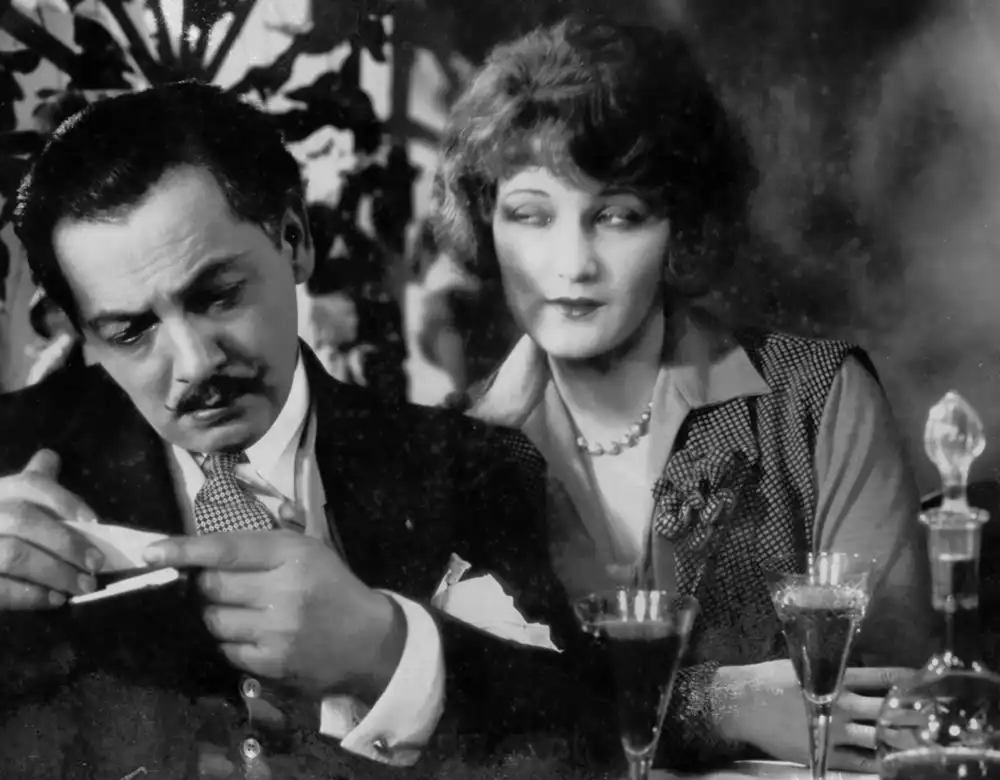
While deeply rooted in Germany, Das Mädel aus der Provinz has achieved a global reach, influencing directors from various backgrounds. Its ability to translate cult tropes into a universal cinematic language is why it remains a cult staple decades after its 1929 release.
| Cinematography | Static |
| Soundtrack | Diegetic |
| Editing | Elliptical |
| Art Direction | Expressionist |
Visualizing the convergence of James Bauer's style and the core cult narrative.
Steffi von der Heydt is the girl from the provinces who one day comes to Berlin to take up a position as partner with Mrs. Magda Ronacher, who is a factory owner. Her new boss is very displeased that son Bert falls in love with the little one, whereupon Steffi immediately loses her job again. Bert does not want to let his love go so easily and brings it back. In doing so, he does not notice that he has come across a doppelganger named Marikke Klotz, who is exactly like Steffi. However, this young woman does not have an impeccable character and marries the works director Dr. Harras, who is a fraud himself and also believes that he is looking at the nice Fraulein von der Heydt.
Decades after its release, Das Mädel aus der Provinz remains a vital piece of the cinematic puzzle. Its influence can be seen in countless modern works, solidifying James Bauer's status as a master of the craft in Germany and beyond.