
DbcultAccessing Vault...
Director's Spotlight
Senior Film Conservator
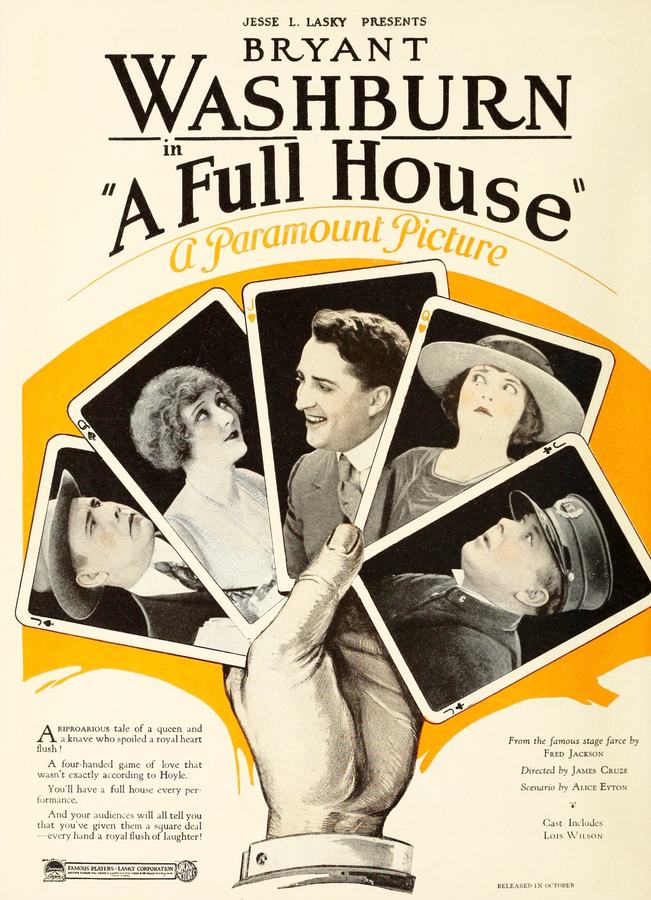
Director's Spotlight: United States
A Deep Dive into the 1920 Vision of James Cruze
Exploring the Comedy underpinnings of A Full House leads us to the stylistic boundaries pushed by James Cruze during the production. Through a lens of existential fatalism and Comedy tropes, it continues to spark endless debates among critics and cinephiles alike.
In A Full House, James Cruze pushes the boundaries of conventional narrative. The film's unique approach to its subject matter has sparked endless debates and interpretations among cinephiles and critics alike.
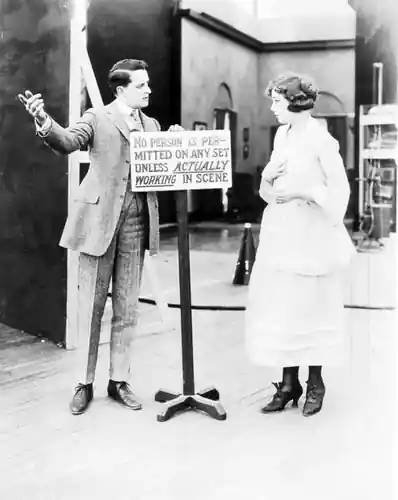
In this work, James Cruze explores the intersection of Comedy and United States cultural identity. The meticulous attention to detail suggests a deep-seated commitment to pushing the boundaries of the medium, ensuring that A Full House remains a relevant topic of study for Comedy enthusiasts.
| Cinematography | High-Contrast |
| Soundtrack | Experimental |
| Editing | Elliptical |
| Art Direction | Expressionist |
Visualizing the convergence of James Cruze's style and the core Comedy narrative.
Lawyer George Howell leaves his bride Ottilie on their wedding day, having promised client Ned Pembroke that he would procure some old love letters from Vera Vernon, a chorus girl with whom Ned was formerly infatuated. George is detained for three days, and when he returns, Ottilie finds jewels and burglar's tools in her husband's suitcase which leads her to suspect that he is a thief. Susie, the maid, sees the jewels and decides to earn the reward for their return. In the meantime, King, the real thief, turns up with George's grip, the latter having taken his by mistake. Susie calls the police, who refuse to allow anyone to leave the house. King is detained along with everyone else, and after a series of misadventures, the real thief is apprehended, Ottilie is convinced of her husband's innocence, the letters are restored to Ned and all ends happily.
Decades after its release, A Full House remains a vital piece of the cinematic puzzle. Its influence can be seen in countless modern works, solidifying James Cruze's status as a master of the craft in United States and beyond.