
DbcultAccessing Vault...
Director's Spotlight
Senior Film Conservator
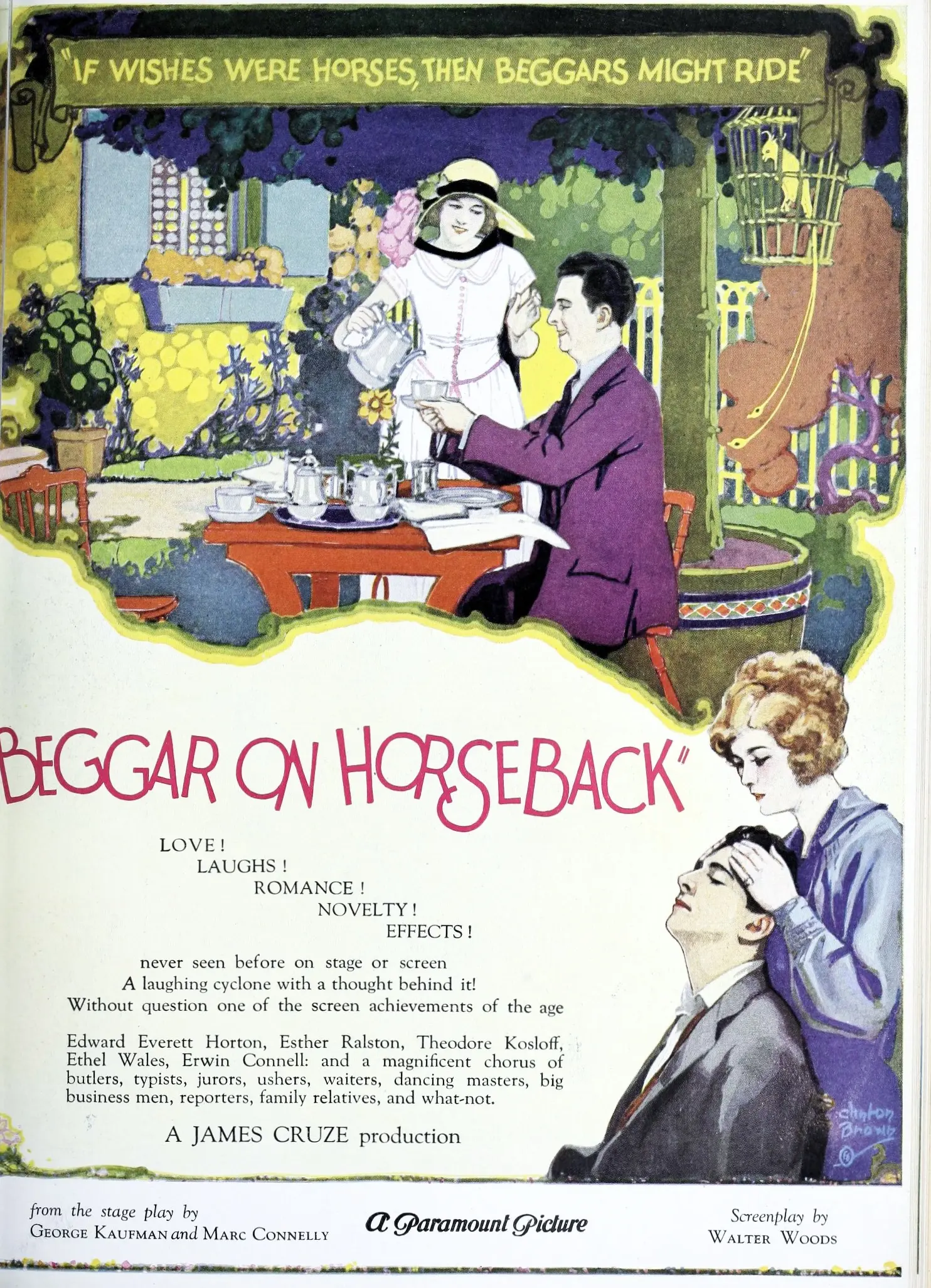
Director's Spotlight: United States
A Deep Dive into the 1925 Vision of James Cruze
The brilliance of Beggar on Horseback (1925) is inseparable from the visionary mind of its creator, James Cruze. Serving as a mirror to the anxieties of a changing world, it persists as a haunting reminder of our own cinematic history.
In Beggar on Horseback, James Cruze pushes the boundaries of conventional narrative. The film's unique approach to its subject matter has sparked endless debates and interpretations among cinephiles and critics alike.
While deeply rooted in United States, Beggar on Horseback has achieved a global reach, influencing directors from various backgrounds. Its ability to translate Comedy tropes into a universal cinematic language is why it remains a cult staple decades after its 1925 release.
| Cinematography | Handheld |
| Soundtrack | Orchestral |
| Editing | Invisible |
| Art Direction | Kitsch |
Visualizing the convergence of James Cruze's style and the core Comedy narrative.
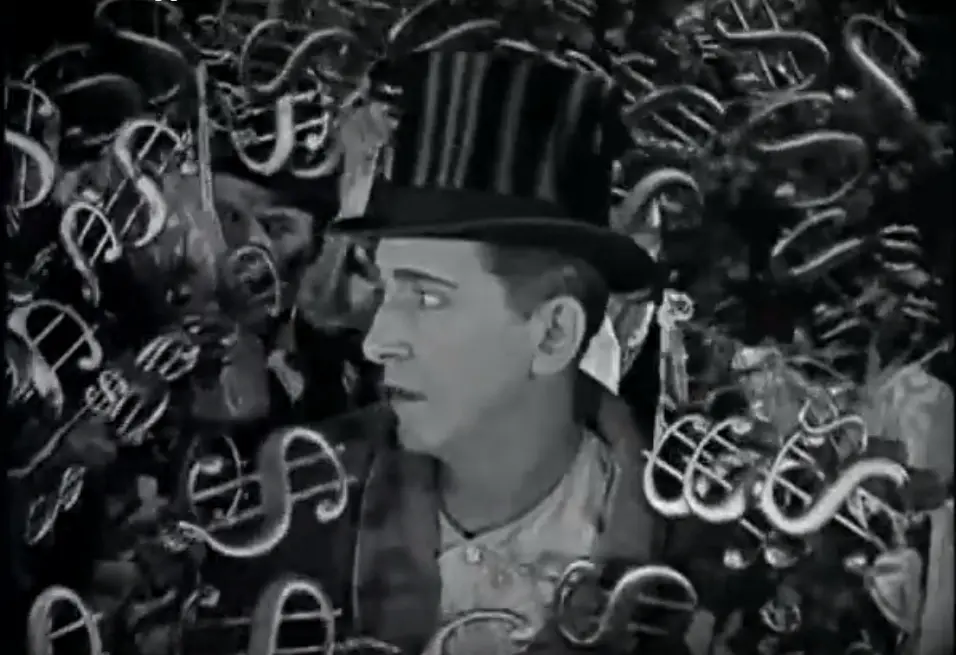
Impoverished composer Neil McRae loves Cynthia Mason, but fearing poverty, he proposes to wealthy Gladys Cady. One night he dozes in an armchair and has a nightmare of a wedding to and life with Gladys: In robe and top hat he's swept into a church by an exuberant Master of Ceremonies, the pews filled with guests, a band of frogs playing. The bride enters with her glum father, who glares at Neil and calls him a fortune-hunter, and her mother, who sits in a rocker and looking approving. After the revelry, the couple heads to life in her parents' home. Neil calls out for Cynthia. Can he compose himself and find the courage to seek love over comfort?
Decades after its release, Beggar on Horseback remains a vital piece of the cinematic puzzle. Its influence can be seen in countless modern works, solidifying James Cruze's status as a master of the craft in United States and beyond.