
DbcultAccessing Vault...
Director's Spotlight
Senior Film Conservator
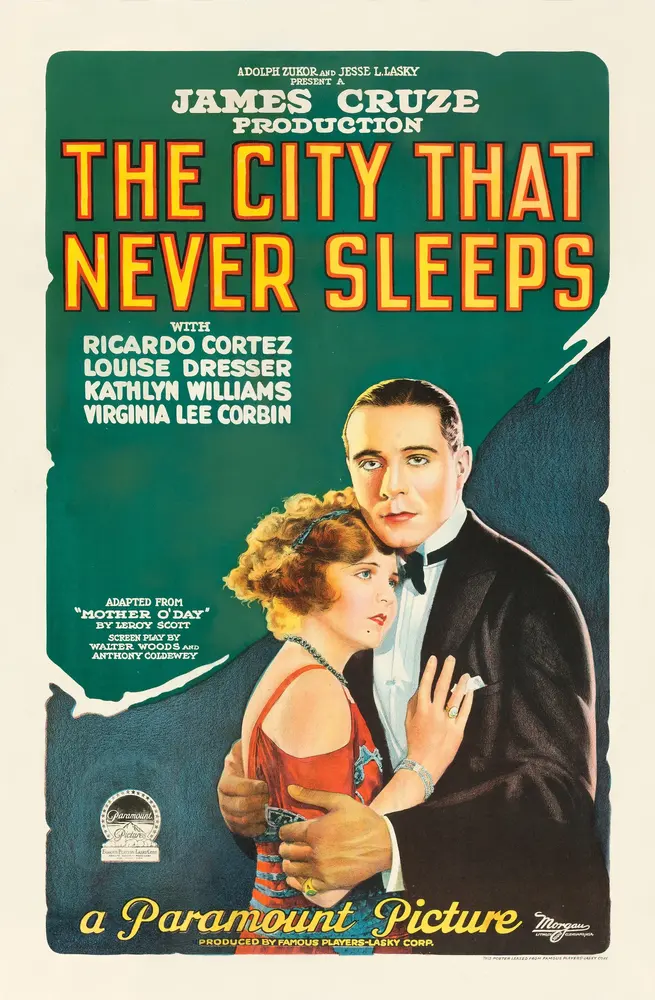
Director's Spotlight: United States
A Deep Dive into the 1924 Vision of James Cruze
To understand the modern evolution of United States film, one must first look at The City That Never Sleeps and the collaborative alchemy between James Cruze and the 1924 creative team. Subverting the expectations of the typical 1924 audience, it remains a vital reference point for anyone studying the evolution of James Cruze.
In The City That Never Sleeps, James Cruze pushes the boundaries of conventional narrative. The film's unique approach to its subject matter has sparked endless debates and interpretations among cinephiles and critics alike.
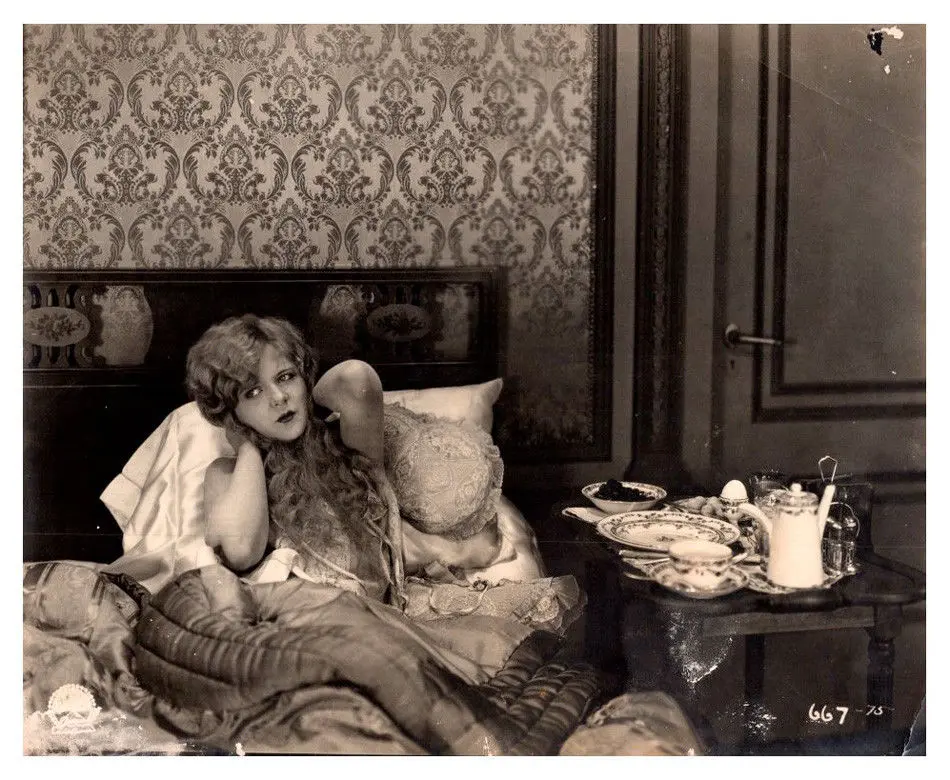
The visual language of The City That Never Sleeps is defined by its use of shadows and framing, a hallmark of James Cruze's style. By utilizing a 1924-era palette, the film creates an immersive experience that perfectly complements its Drama themes.
| Cinematography | Noir-Inspired |
| Soundtrack | Experimental |
| Editing | Invisible |
| Art Direction | Kitsch |
Visualizing the convergence of James Cruze's style and the core Drama narrative.
Mother O'Day continues to run her Bowery saloon after her husband, Tim, is killed in a barroom brawl, but wishing a better environment for her daughter, Molly, she has her placed in the home of Mrs. Kendall, a refined society woman. Years later, in the prohibition era, Mother O'Day's saloon has become a cabaret frequented by Molly is now a selfish, snobbish flapper, and her set, which includes adventurer Mark Roth. Mother O'Day knows Roth to be a crook and with the aid of reporter Cliff Kelley, Molly's childhood sweetheart, exposes him to Molly, who finally recognizes her mother and is gladly reunited with her.
Decades after its release, The City That Never Sleeps remains a vital piece of the cinematic puzzle. Its influence can be seen in countless modern works, solidifying James Cruze's status as a master of the craft in United States and beyond.