
DbcultAccessing Vault...
Director's Spotlight
Senior Film Conservator
Director's Spotlight: United States
A Deep Dive into the 1925 Vision of James Cruze
The enduring fascination with Welcome Home is a testament to the defining moment in Comedy history that James Cruze helped create. This film stands as a masterclass in visual storytelling, it has cemented its place in the global cult cinema archive.
In Welcome Home, James Cruze pushes the boundaries of conventional narrative. The film's unique approach to its subject matter has sparked endless debates and interpretations among cinephiles and critics alike.
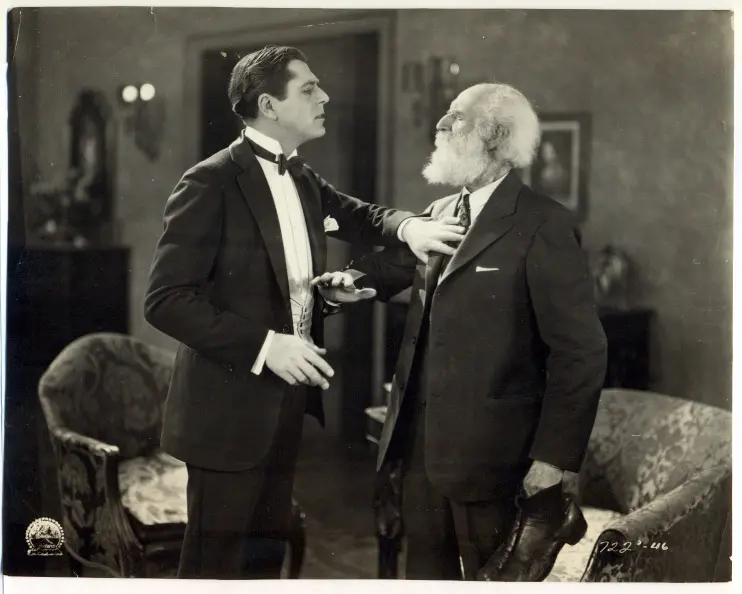
To fully appreciate Welcome Home, one must consider the cinematic climate of 1925. During this period, United States was undergoing significant artistic shifts, and James Cruze was at the forefront of this Comedy movement, often challenging established norms.
| Cinematography | High-Contrast |
| Soundtrack | Experimental |
| Editing | Elliptical |
| Art Direction | Expressionist |
Visualizing the convergence of James Cruze's style and the core Comedy narrative.
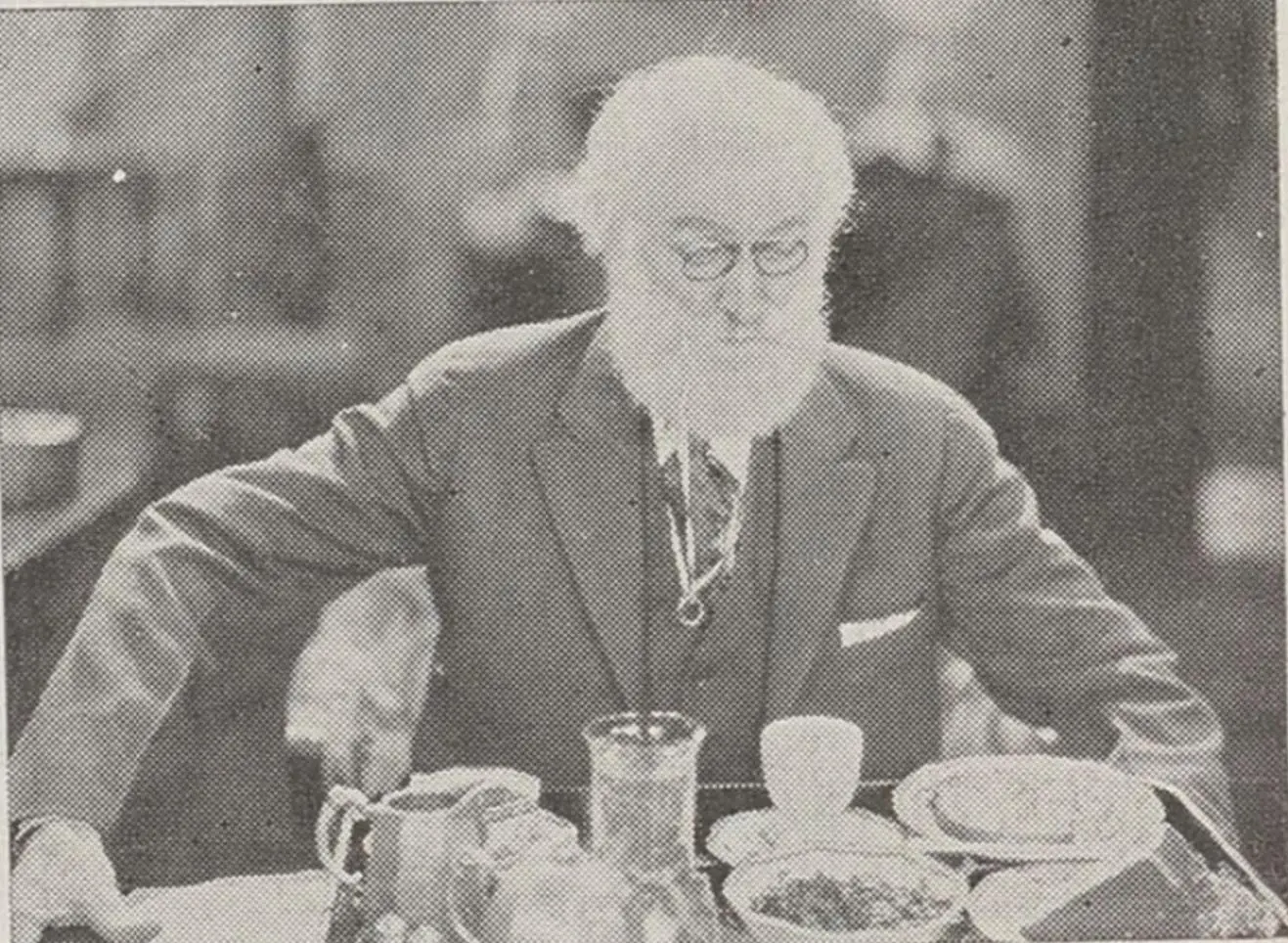
Old man Prouty arrives unexpectedly at the small apartment occupied by his son and daughter-in-law and announces that he has come to stay. Fred and Nettie do their best to make him happy and comfortable; but his presence seriously interferes with their way of life, and he soon becomes a source of constant irritation in the household. Nettie arranges a luncheon for a few of her friends, and the old man and his friends make a mess of the apartment and eat all the sandwiches; he later breaks up the luncheon with his constant interruptions. This is the last straw for Nettie, and she tells Fred that either his father goes or she goes. The old man then visits his cronies at the old folks' home and likes it well enough to plan to live there. Fred and Nettie dissuade him for a while, but when he discovers that Nettie is pregnant, he moves out for good, realizing that the old must give way to the young.
Decades after its release, Welcome Home remains a vital piece of the cinematic puzzle. Its influence can be seen in countless modern works, solidifying James Cruze's status as a master of the craft in United States and beyond.