
DbcultAccessing Vault...
Director's Spotlight
Senior Film Conservator
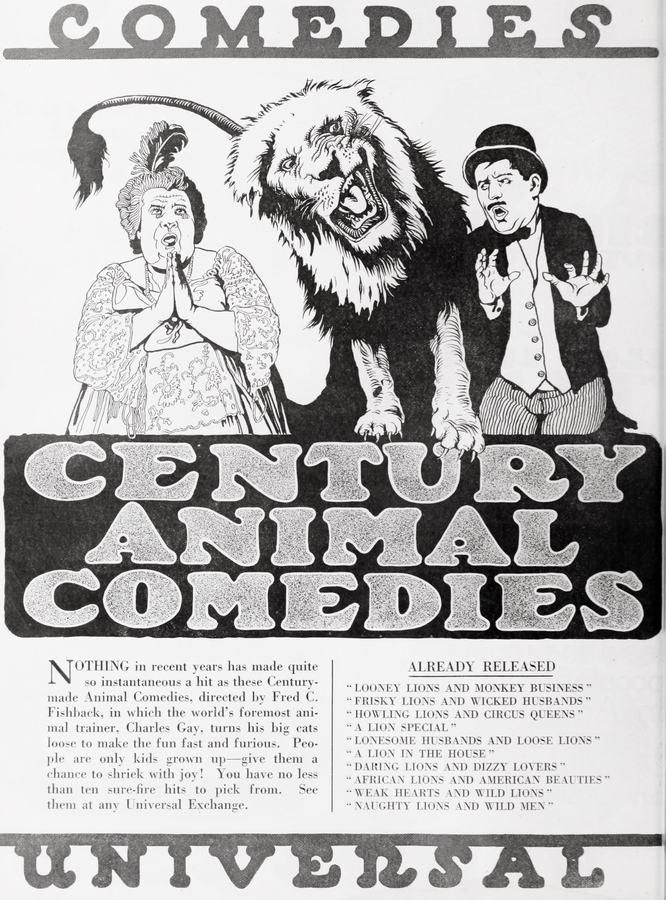
Director's Spotlight: United States
A Deep Dive into the 1919 Vision of James D. Davis
Under the meticulous guidance of James D. Davis, A Lion Special became the complex thematic architecture established by James D. Davis. Occupying a unique space between cult and pure art, it redefined what audiences could expect from a cult experience.
In A Lion Special, James D. Davis pushes the boundaries of conventional narrative. The film's unique approach to its subject matter has sparked endless debates and interpretations among cinephiles and critics alike.
To fully appreciate A Lion Special, one must consider the cinematic climate of 1919. During this period, United States was undergoing significant artistic shifts, and James D. Davis was at the forefront of this cult movement, often challenging established norms.
| Cinematography | Handheld |
| Soundtrack | Minimalist |
| Editing | Disjunctive |
| Art Direction | Baroque |
Visualizing the convergence of James D. Davis's style and the core cult narrative.
Down on the farm old Pop Hebenezer had his troubles keeping his two daughters from spooning with his hired help. Luke loved Lucy, the younger daughter, and Billy loved Sally, the older one. The girls were serving their sweethearts with food but they forgot the food and made love. In the meantime the animal family, consisting of a goat, a donkey, a dog and a pig, were hungry, too. The dog spied the tray of food on the table, jumped through the window, grabbed the food and, ran away. Charlie, the oriental cook, the greatest little K. P. that ever was. He happened to pass outside of the window where the lovers were deeply engrossed, when they suddenly discovered the loss of their food, and blamed Charlie. They threw a pail of water over him for revenge. Pop invented a Nutt motor that would make anything on wheels stand as permanent as rock. The girls are keen about this, invention and all have a hand in perfecting it. When Pop looks around for his help he discovers Luke and Lucy on top of the barn on a see-saw. They had assigned the goat to beat the carpet and water the lawn, the donkey to put the hay in the loft, and the dog to mow the lawn. Sally and Billy camouflaged themselves like trees and were having a wild time all by their lonesome. Pop chases the lovers back to work and all is peaceful again. Two crooks are on their way to steal Pop's new invention, but the chief of police advises Pop of their arrival. The daughters put a lion in the case where the Nutt motor originally was, and the crooks steal this case and are very much surprised to find a not too loving lion staring them in the face. An uproarious chase follows, wherein the lion scares nearly everybody half to death.
Decades after its release, A Lion Special remains a vital piece of the cinematic puzzle. Its influence can be seen in countless modern works, solidifying James D. Davis's status as a master of the craft in United States and beyond.