
DbcultAccessing Vault...
Director's Spotlight
Senior Film Conservator
Director's Spotlight: United States
A Deep Dive into the 1918 Vision of James McLaughlin
As we revisit the 1918 masterpiece The Man Who Woke Up, we are struck by the meticulous attention to detail that James McLaughlin applied to every frame. Anchored by a narrative that is both personal and universal, it bridges the gap between traditional cult and contemporary vision.
In The Man Who Woke Up, James McLaughlin pushes the boundaries of conventional narrative. The film's unique approach to its subject matter has sparked endless debates and interpretations among cinephiles and critics alike.
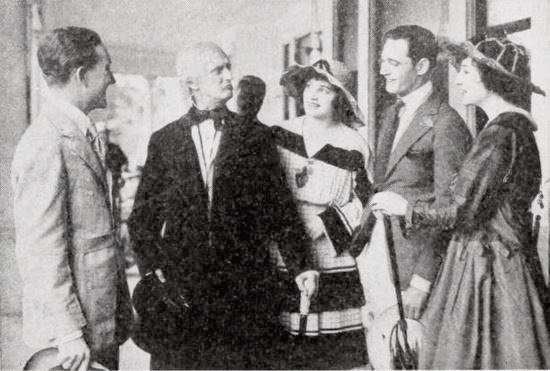
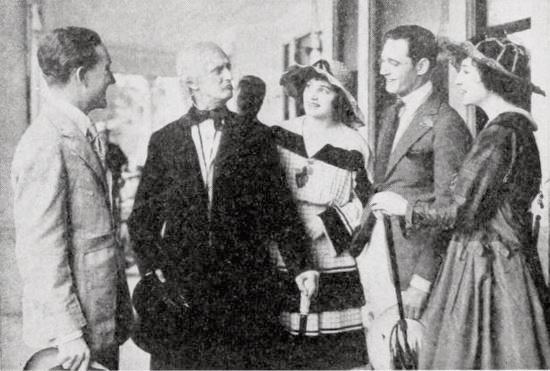
In this work, James McLaughlin explores the intersection of cult and United States cultural identity. The meticulous attention to detail suggests a deep-seated commitment to pushing the boundaries of the medium, ensuring that The Man Who Woke Up remains a relevant topic of study for cult enthusiasts.
| Cinematography | Handheld |
| Soundtrack | Diegetic |
| Editing | Elliptical |
| Art Direction | Expressionist |
Visualizing the convergence of James McLaughlin's style and the core cult narrative.
William Oglesby, the editor of the Oglesburg Clarion , strives to keep alive the spirit of the antebellum South and is furious when the townspeople warmly welcome New York businessman and philanthropist Thomas Foster. Oglesby stubbornly resists the Northerner's influence on the town, but when his daughter Edith falls in love with Foster's son and when even his wife Sylvia becomes enthralled with Foster's progressive ideas, he finally relents and accepts the new order.
Decades after its release, The Man Who Woke Up remains a vital piece of the cinematic puzzle. Its influence can be seen in countless modern works, solidifying James McLaughlin's status as a master of the craft in United States and beyond.